
Why You Should Choose Liposomal Vitamin C
What is Vitamin C?
Vitamin C is a water-soluble vitamin. An essential nutrient for your overall health, vitamin C is in a category of vitamins that your body cannot produce on its own. This means that you’ll need to get enough of this important nutrient from dietary sources or supplements.
As a water-soluble vitamin, vitamin C only stays in your system for short periods of time. Taking supplements each day and eating plenty of healthy plant-based foods may help to support your vitamin C levels and may help to avoid developing a deficiency.

What Makes Vitamin C Important?
Vitamin C serves several purposes within your body.
- Immunity: Vitamin C plays an important role in keeping your immune system functioning normally. A healthy immune system is more resistant to viruses and bacteria and may reduce your risk of getting sick. In addition to vitamin C, other nutrients like vitamin D and zinc are vital in supporting a healthy immune system.
- Collagen production: Collagen is the most abundant protein in your body. It helps to provide strength and structure to your bones, skin, joints, cartilage, and more. Getting enough vitamin C may support your body in making the collagen it needs. Collagen production plays an important role in keeping many different parts of your body healthy and strong.
- Antioxidant: Vitamin C, an essential vitamin that our body cannot produce on its own, is known for its antioxidant properties, which limit the damage done by free radicals while supporting immune function and overall well-being.
What Foods Contain Vitamin C?
Vitamin C is found in abundance in a wide variety of plant-based foods, especially many fruits and vegetables.
Below are some of the best sources of plant-based vitamin C.
- Raw Spinach: This dark leafy green contains vitamins, minerals and fiber, making it the perfect addition to a well-rounded plant-based diet.
- Raw Broccoli: Broccoli is rich in vitamin C, as are other cruciferous veggies like cauliflower.
- Oranges: One of the most famous sources of vitamin C oranges. They are sweet and delicious, and they contain vitamins and minerals, including a high amount of vitamin C.
- Peppers: These multicolored vegetables contain a wide variety of vitamins and minerals.
- Raw Kale: Like spinach, kale contains lots of plant-based protein, fiber, and nutrients. You can get plenty of vitamin C by adding kale to your favorite salad recipe.
What is Liposomal Vitamin C?
Before we discuss liposomal vitamin C, let’s first talk about liposomes – what are they?
Liposomes are tiny spherical structures, with a protective outer layer and an inner cavity, to hold and transport substances such as vitamins, drugs, or other nutrients to the body; in this supplement, Vitamin C is encapsulated by liposomes for enhanced absorption!
Why Take Liposomal Vitamin C?
-
Liposomal vitamin C is more bioavailable. Compared to vitamin C that is not encased in liposomes, liposomal vitamin C is much easier for your body to absorb and use. Choosing liposomal supplements may support better absorption of vitamin C in each serving.
- Your body cannot produce its own vitamin C. Taking liposomal vitamin C may help you support optimal levels of this important nutrient. Since you can only get vitamin C from supplements or food, choosing the right vitamin C supplement may make a big difference for your body. Liposomal supplements are an ideal source of vitamin C, and you can pair them with a nutrient-dense diet to support your vitamin C needs each day.
- Your body needs vitamin C to produce collagen. Collagen is the most abundant protein in your body, and it’s also one of the most important. Collagen helps to provide strength and structure to your skin, bones, joints, and more. Without adequate levels of vitamin C, your cells’ production of collagen can slow down.
- Vitamin C is a powerful antioxidant. Antioxidants are molecules that protect your body from the harmful effects of free radicals. Free radicals are molecules with unpaired electrons, which can harm your healthy cells by attempting to steal electrons from them. Getting enough antioxidants through food and high-quality supplements can help to reduce the risk of oxidative stress, the state that your body enters when free radicals outnumber the antioxidants in your body.
- Vitamin C plays an important role in supporting a healthy immune system. Your immune system helps to fight off bacteria, viruses, and other germs that can make you sick. When your vitamin C levels are too low, your immune system can be compromised, potentially leading to more vulnerability to sickness. Taking a high dose of vitamin C may benefit your immune system by providing it with a boost of antioxidants.
- Vitamin C aids in your body’s absorption of iron. Without enough iron in your diet, you can quickly start dealing with fatigue, low body temperature, and other problematic symptoms. In addition, if you are deficient in vitamin C, your body’s ability to absorb and use iron may be inhibited. Taking liposomal vitamin C each day may help you avoid an iron deficiency, which could lead to fatigue and body temperature regulation.
- Taking a megadose of vitamin C may be beneficial for your health. Megadosing means taking a much higher dose of a nutrient than your normal daily recommended value. Large doses of vitamin C – including the 500 mg in – are a great way to support your health, though, research is still limited on the inherent benefits of megadosing with vitamins. Because megadosing is a topic that needs further research, it’s best to consult your doctor before adding a high dose of any supplement to your daily routine, including liposomal vitamin C.
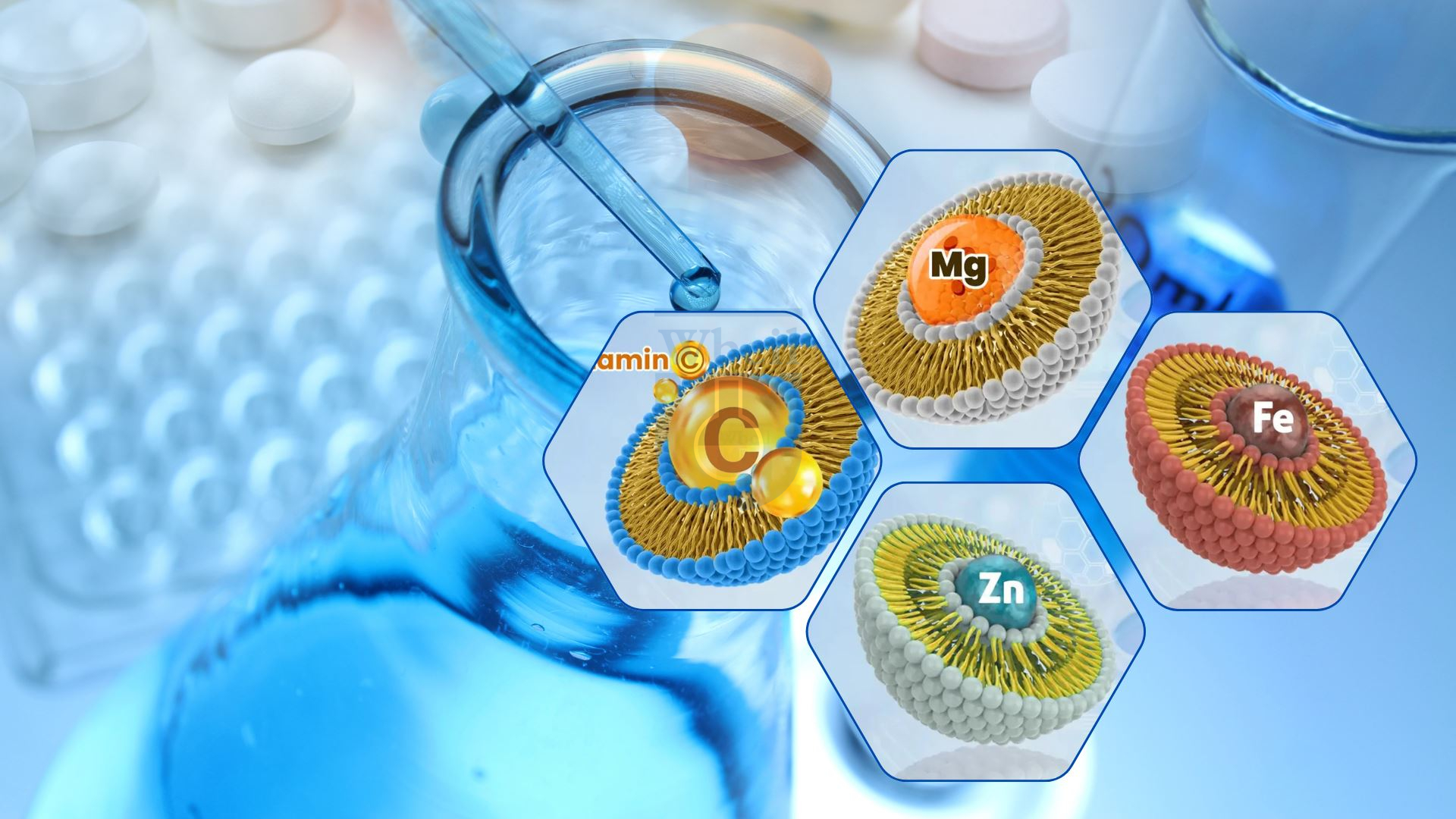
The Difference Between Liposomal and Regular Vitamin C
There are some significant differences between liposomal Vitamin C and regular Vitamin C (also known as ascorbic acid). The most important difference is in its absorption and bioavailability—which is how well your body can actually use the Vitamin C you take. Regular Vitamin C can be harder for your body to absorb because much of it gets broken down as it navigates through your digestive system. This breakdown can lead to lower absorption rates, which means that your body might not be getting as much of the Vitamin C as you’d expect.
Liposomal Vitamin C is designed to overcome this challenge. Since it uses liposomes—tiny fat-like particles that protect the Vitamin C—more of the vitamin reaches your bloodstream and is available for your body to use.
This form can be especially beneficial if you have a sensitive digestive system or find that regular Vitamin C causes stomach upset. Because liposomal Vitamin C is gentler on digestion, it is often easier to take in larger doses, which can be helpful if you are looking for higher Vitamin C intake for added immune support or antioxidant benefits.
Who Can Use Liposomal Vitamin C?
Liposomal Vitamin C can be a great option for many people, especially if you have specific health needs or want to make sure you are getting the most out of your Vitamin C supplement. For example, if you have an immune deficiency or are looking to support your immune system, liposomal Vitamin C’s higher absorption rate may help deliver more of the vitamin directly to your cells, providing your body with the extra support it needs. This form of Vitamin C can also be helpful if you have a sensitive stomach and find that regular Vitamin C causes digestive discomfort, as liposomal Vitamin C is generally gentler on digestion, making it easier for people with sensitive systems.
Also, if you are interested in enhancing your antioxidant support to help protect your cells, liposomal Vitamin C can be a good choice for anyone. Its improved bioavailability means more of the vitamin reaches your bloodstream, helping to provide better antioxidant protection. Although liposomal Vitamin C is generally safe, it is always wise to talk to a healthcare provider if you have specific health concerns or are considering higher doses, so you can be confident that it is appropriate for your needs.
How to Get Liposomal Vitamin C
If you are ready to try liposomal Vitamin C, you can find it in many places, including pharmacies, health stores, and online retailers. This form of Vitamin C is available in several types, so you can choose what works best for you. Common options include liquid liposomal Vitamin C, which some people find easier to take and absorb, as well as capsules and powder forms. Each has its own convenience, depending on whether you prefer a quick liquid dose or the simplicity of a capsule.
Since the quality of liposomal Vitamin C can vary between brands, it is vital to always seek out a reputable product. Look for products with clear labels showing the exact form and amount of Vitamin C, and check that the brand has third-party testing or certification. This ensures that the product meets all safety and quality standards. Choosing wisely empowers you to know that you are receiving the best support from your liposomal Vitamin C.
Conclusion
Liposomal Vitamin C has many different advantages over regular Vitamin C, especially when it comes to its absorption and how well your body can use it. Its unique formulation means that more Vitamin C reaches your bloodstream, which can provide stronger support for immune health, antioxidant protection, and collagen production. This form of Vitamin C can be a helpful option for those with specific health needs or anyone that is looking to get the most out of their Vitamin C intake.
As with any supplement, it is best to consider your individual health needs and consult with a healthcare provider to determine if liposomal Vitamin C is the right choice for you.

Send Inquiry
Related Industry Knowledge
- How Can Hydrolyzed Spirulina Protein Transform Your Health?
- Phycocyanin E18: The Superfood You Need to Try
- Pure Liposomal Glutathione Skin Benefits
- How to take mushroom powder?
- Ultimate Micronized Creatine Monohydrate Powder
- Zinc Picolinate Supplement Health Benefits
- What does beta carotene do?
- does matcha powder go bad?
- is blue spirulina good for you
- Can You Use Almond Protein Powder in Coffee and Lattes?
Recommended Products
.webp "Spirulina Powder 80 Mesh")
_1758169986674.png "Carbon Black Powder")