does matcha powder go bad?
Matcha lovers know that the bright color, fresh aroma, and smooth umami taste are what make this green tea powder special. But over time, you may start to notice that your matcha doesn’t look or taste the same. So, does matcha powder go bad?
The short answer is: Yes, matcha can lose its freshness and quality over time — but it rarely becomes unsafe to consume. Instead, it gradually loses color, flavor, and nutritional potency, especially its antioxidant content.
What is matcha powder?
Matcha powder also known as organic matcha green tea powder, is made of high-quality green tea. the plants used for Matcha are called tea trees in botany. they grow in the shade for three to four weeks before harvest. green tea grown in the shade can produce more active ingredients. After harvest, the leaves are evaporated to remove enzymes, then dried, the stems and veins are removed, and then ground or ground into powder.therefore, it is a healthy dietary addition that can help you get these important antioxidants.

How Long Does Matcha Powder Last?
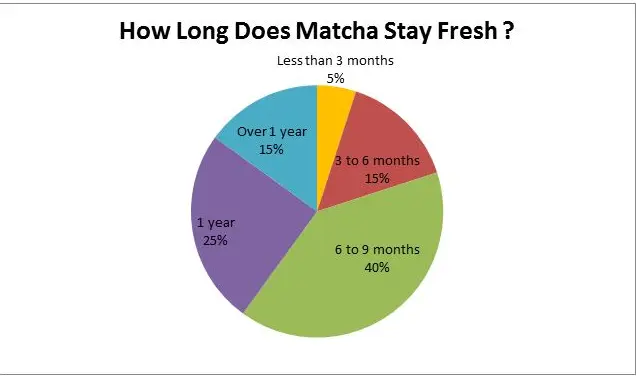
Matcha has a shelf life, just like any other natural product. However, its quality life (time it keeps its flavor and nutrients) is often shorter than its printed expiration date.
| Condition | Shelf Life (Unopened) | Shelf Life (Opened) |
|---|---|---|
| Ceremonial Grade Matcha | 12–18 months | Best within 30–60 days |
| Culinary Grade Matcha | 12–24 months | Best within 60–90 days |
Important:
Matcha doesn’t “spoil” like fresh food, but oxidation causes it to lose its bright green hue, antioxidants, and distinctive flavor over time.
Signs Your Matcha Powder Has Gone Stale
Here are clear signs that your matcha has lost freshness:
1. Fresh Matcha Should Be:
Bright vibrant green color
Smells fresh, grassy, or slightly sweet
Smooth texture — fine and silky
Tastes umami-rich with subtle sweetness
2. Stale or Oxidized Matcha Looks Like:
Color shifts to dull olive green, yellowish, or brownish
Aroma becomes weak, earthy, or hay-like
Taste turns bitter, flat, or dusty
Powder feels grainy or clumpy
While it might still be safe to drink, stale matcha loses most of its health benefits, including its antioxidant (EGCG) levels, which decrease significantly when exposed to air, light, and heat.
Does Matcha Expire? Is It Safe to Drink After the Best-Before Date?
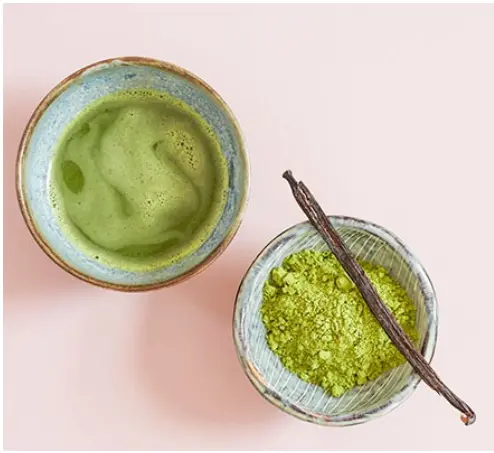
Most matcha powders come with a best-before date — not a strict expiration date. This indicates when the product maintains its best flavor and nutrient profile, not when it becomes harmful.
1. Safe to Drink After Date? → Yes, if stored properly and free from moisture or mold.
2. Still Nutritious? → Partially. EGCG and chlorophyll break down over time.
3. Still Tastes Good? → Not likely. It may taste bitter or flat.
If matcha smells rancid, sour, or has visible clumps or mold, discard it immediately.
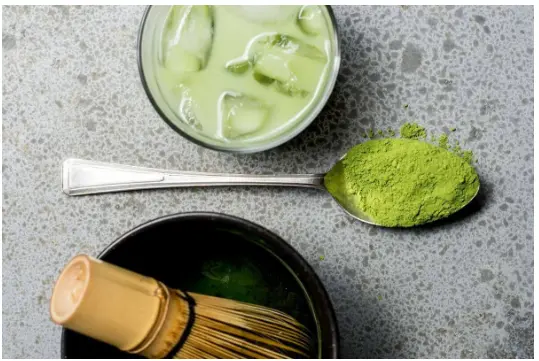
Why Matcha Loses Quality: Oxidation Explained
Matcha is made from stone-ground green tea leaves, which makes it delicate and highly reactive to oxygen, heat, humidity, and light.
When exposed:
Chlorophyll breaks down → color fades
EGCG antioxidants degrade → fewer health benefits
Amino acids (like L-theanine) decline → less umami, more bitterness
That’s why premium matcha is often packed in airtight, opaque containers — sometimes even under nitrogen-flushed conditions — to keep oxygen out.
How to Store Matcha to Keep It Fresh Longer
Here’s how to make your matcha last — without losing quality:
Best Storage Practices
Keep in airtight container (metal tins or vacuum-sealed bags work best)
Store in a cool, dark place — avoid light and humidity
Once opened, keep in the fridge to preserve freshness
Use a dry spoon to avoid moisture contamination
Avoid repeated temperature changes (don’t take it in and out of the fridge excessively)
Avoid
Exposure to sunlight or kitchen heat
Leaving the container open or loosely sealed
Storing near spices or strong-smelling foods — matcha absorbs odors easily
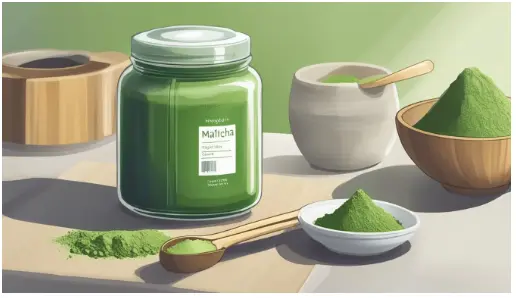
Can You Freeze Matcha Powder?
Yes — but with caution.
Freezing unopened matcha bags can help preserve freshness longer.
Always thaw to room temperature before opening to prevent condensation.
Never refreeze once opened — moisture will destroy its texture and taste.
Creative Uses for Old or Low-Grade Matcha
If your matcha has lost its prime but is still safe to use, don’t waste it — use it in recipes where flavor and color intensity aren’t as critical, such as:
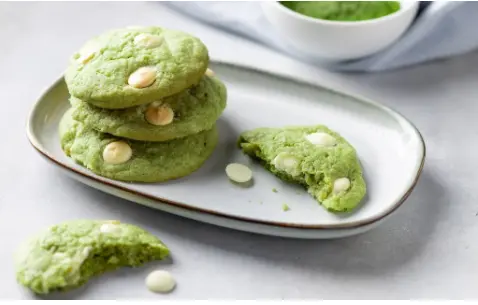
- Matcha cookies or cakes
- Smoothies with fruit to balance bitterness
- Matcha breakfast bowls or granola
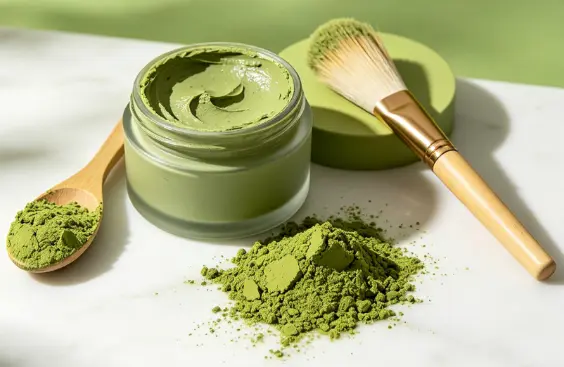
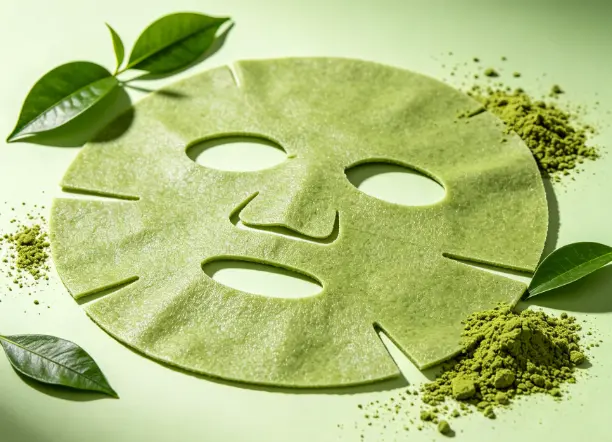
- Homemade face masks or bath soaks (matcha still offers skin-friendly antioxidants)
Conclusion
Not in the traditional “spoilage” sense — but its taste, nutrients, and color degrade over time. To fully enjoy matcha’s benefits — from its rich antioxidants (EGCG) to its calming L-theanine — it’s best to consume it quickly after opening and store it carefully.
Yangge Biotech supplies premium matcha tea powder, available in ceremonial, premium, and culinary grades, ideal for beverages, wellness blends, food formulations, and private label projects. For bulk sourcing, COA support, and formulation guidance, feel free to connect with us anytime. Contact us here: info@yanggebiotech.com

Send Inquiry
Related Industry Knowledge
- Is beta-glucan the same as nutritional yeast?
- what is blue spirulina powder good for?
- Blue Spirulina E10: A Superfood for Wellness
- 10 Natural Benefits of Organic Protein Powder
- Apple Cider Vinegar Tablets: Health Benefits
- Gardenia Blue Extract: A Natural Choice for Vibrant Color
- What is butterfly pea powder?
- What is blue spirulina powder?
- is pumpkin seed protein powder good for you
- Acetyl Glutathione: Your Key to Brighter Skin
Recommended Products