When to take liposomal CoQ10?
Coenzyme Q10 (CoQ10) plays a vital role in mitochondrial energy production, cardiovascular function, and cellular protection. As the body ages or undergoes stress, CoQ10 levels naturally decline—making supplementation increasingly important. Among all supplement forms, liposomal CoQ10 stands out for its superior absorption and enhanced cellular delivery. But even with advanced technology, timing still matters.
So, when is the best time to take liposomal CoQ10 for maximum benefit?
This comprehensive guide explains everything you need to know about CoQ10 timing, absorption, and optimal use based on science.
What Is CoQ10?
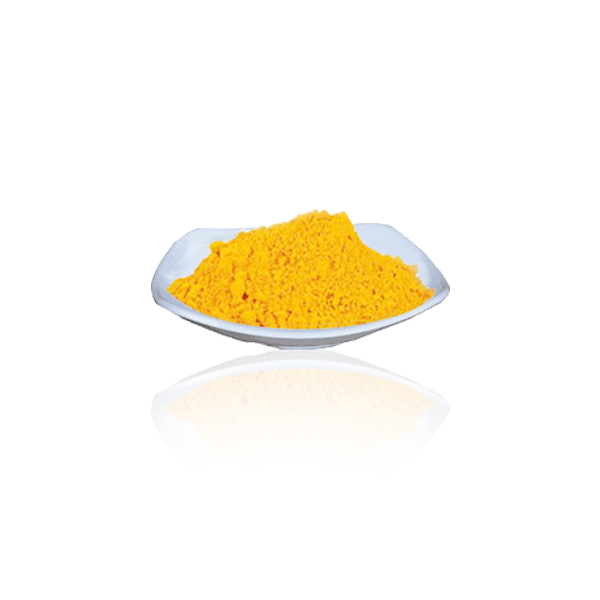
Coenzyme Q10 belongs to the coenzyme Q family (ubiquinones) and is abundant in human cells. It is stored in the mitochondria and concentrates in energy-demanding tissues such as the heart, liver, brain, muscles, and kidneys. As a lipid-soluble molecule, CoQ10 embeds in membranes where it participates in electron transfer and antioxidant defense.
Evidence-Informed Benefits of CoQ10
| Area | Rationale | What to Watch For |
|---|---|---|
| Heart health | Myocardial tissue has high ATP demand; CoQ10 supports mitochondrial output and may aid symptoms in heart failure settings. | Use under medical guidance if on cardiac meds. |
| Exercise performance | Improves electron transport efficiency; antioxidant action may reduce exercise-induced oxidative stress. | Benefits are modest and build with weeks of use. |
| Glycaemic support | Links between mitochondrial function and insulin sensitivity; trials report improvements in fasting glucose/HbA1c in subsets. | Coordinate with clinician if using glucose-lowering meds. |
| Skin & healthy appearance | Topical and systemic antioxidant effects may limit photo-aging signals; supports cellular energy in skin. | Combine with sun protection and nutrition. |
| Lungs & neuro | Oxidative stress is implicated in COPD and migraine; CoQ10 may help via antioxidant and mitochondrial pathways. | Discuss with a clinician for personalised use. |
| Statin-related muscle symptoms | Statins reduce mevalonate pathway products; supplemental CoQ10 is sometimes used to support muscle comfort. | Always consult the prescribing physician. |
1. Why Timing Matters for Liposomal CoQ10 Absorption
Timing affects how the body absorbs CoQ10, even in its liposomal form. Because CoQ10 is fat-soluble, pairing it with a meal—especially one containing healthy fats—increases its uptake into the bloodstream. Liposomal CoQ10 is already highly absorbable, but optimal timing helps create a more efficient delivery and enhances overall benefits, especially for energy, cardiovascular health, and antioxidant support.
2. Best Time to Take Liposomal CoQ10: Morning or Midday With Food
Taking liposomal CoQ10 in the morning or early afternoon with a meal ensures maximum absorption and better utilization during the day. This timing supports higher energy levels, better focus, and improved metabolic function when your body needs it most.
Reasons morning or midday is ideal:
Supports daytime energy and productivity
Reduces the risk of nighttime stimulation
Enhances absorption by pairing with food
Aligns with natural mitochondrial activity
Supports heart and brain function during waking hours
Meals containing healthy fats—such as avocado, nuts, seeds, eggs, or olive oil—provide a more favorable environment for CoQ10 absorption even when delivered in liposomal form.
:max_bytes(150000):strip_icc()/What-Happens-to-Your-Body-When-You-Take-Coenzyme-Q10-792072434fe64726b2cb94f3796c35f7.jpg "blog-1-1")
3. Can You Take Liposomal CoQ10 at Night?
While nighttime dosing is possible, it may not be ideal for everyone. CoQ10 enhances ATP energy production, which may cause a stimulating effect. For some individuals, this may interfere with sleep.
Nighttime dosing is only recommended if:
You take statins in the evening
Your doctor specifically advises nighttime use
You find no sleep disruption from CoQ10
Since statins reduce natural CoQ10 production, taking CoQ10 alongside them—often at night—can help minimize muscle pain and fatigue.
4. Should Liposomal CoQ10 Be Taken With or Without Food?
Although liposomal formulas are designed for enhanced bioavailability, taking liposomal CoQ10 with food—especially healthy fats—still optimizes absorption.
With food (best option):
Enhances lipid digestion
Improves overall uptake
Reduces stomach irritation
Helps maintain stable CoQ10 levels
Without food:
Still more effective than regular CoQ10
But total absorption may be slightly reduced
Pairing it with meals ensures you get the full value of the supplement.
5. Best Timing Based on Your Health Goals
For Energy & Daily Productivity
Take in the morning with breakfast.
This supports all-day mitochondrial activity and reduces mid-day fatigue.
For Heart Health
Take consistently once daily, ideally in the morning or midday.
Stable plasma levels help support heart muscle function.
For Statin Users
Take with your statin, often at night.
This replenishes CoQ10 that statins deplete.
For Athletes & Active Individuals
Take before training or midday.
Improved mitochondrial efficiency enhances endurance and recovery.
For Anti-Aging & Antioxidant Support
Take in the morning, when oxidative stress begins to accumulate.
6. How Long Until You Notice Results?
Liposomal CoQ10 delivers results faster due to improved bioavailability.
Typical timeline:
1–2 weeks: Better energy, clearer thinking, less fatigue
3–6 weeks: Improved exercise performance, reduced soreness
2–3 months: Noticeable cardiovascular improvements and enhanced vitality
Consistency is key.
7. Why Liposomal CoQ10 Works Better Than Regular CoQ10
Liposomal CoQ10 is encapsulated in a phospholipid shell that mimics cell membranes, allowing quicker transport into the bloodstream and higher cellular uptake.
Key advantages include:
Superior absorption
Faster effects
Better stability through digestion
Higher antioxidant activity
More efficient delivery to mitochondria
For those with poor absorption, digestive issues, or chronic illness, liposomal CoQ10 offers significantly higher bioavailability.
8. Conclusion
Liposomal CoQ10 is one of the most advanced and effective forms of CoQ10 available today. While liposomal technology improves absorption, the timing of your dose still plays an important role in achieving maximum benefits. The best time to take liposomal CoQ10 is in the morning or with lunch, ideally with a meal containing healthy fats. This ensures better absorption, improves energy throughout the day, and supports heart, brain, and mitochondrial function.
Nighttime dosing is suitable mainly for statin users or under doctor supervision. Above all, consistency is what delivers long-term effects—whether your goal is better energy, stronger heart health, or enhanced athletic performance. With proper timing and daily use, liposomal CoQ10 can help elevate overall well-being, vitality, and longevity.
References
López-Lluch, G., et al. “Bioavailability of Coenzyme Q10 Supplements Depend on Carriers and Manufacturing Processes.” Nutrition, 2019.
Bhagavan, H. N., & Chopra, R. K. “Coenzyme Q10: Absorption, Tissue Uptake, Metabolism and Pharmacokinetics.” Free Radical Research, 2006.
Miles, M. V. “The Bioavailability of Coenzyme Q10: A Review of the Absorption and Tissue Uptake of CoQ10.” Molecular Biotechnology, 2007.
Crane, F. L. “Biochemical Functions of Coenzyme Q10.” Journal of the American College of Nutrition, 2001.
Littarru, G. P., & Tiano, L. “Clinical Aspects of Coenzyme Q10: An Update.” Current Opinion in Clinical Nutrition & Metabolic Care, 2005.
National Institutes of Health (NIH). “Coenzyme Q10 Fact Sheet for Health Professionals.”

Send Inquiry
Related Industry Knowledge
- Boost Your Energy with Glutathione: Here’s How
- Blue Spirulina: The Ultimate Superfood Nutrient
- Mind and Body Benefits of Lions Mane Powder
- Benefits of Chlorella Tablets: Skin and Hair
- Apple Cider Vinegar Tablets: Health Benefits
- Chlorella Tablets: A Natural Superfood
- Does PQQ help with weight loss?
- Does Alpha-GPC increase growth hormone?
- What are the benefits of pomelo peel for skin?
- 10 Amazing Benefits of Flaxseeds for Hair Health and Growth
Recommended Products