Hydrolyzed Fish Protein for Digestion: Why It Works and How It Supports Gut Health
Digestive health has become a major focus in wellness and nutrition, and more consumers are looking for ingredients that are gentle on the stomach, easy to absorb, and supportive of overall gut function. One ingredient gaining strong traction is hydrolyzed fish protein, a highly digestible protein made through enzymatic hydrolysis. This process breaks fish muscle into smaller components—bioactive peptides and amino acids—making it exceptionally easy for the body to absorb and use. Unlike many protein powders that require extensive digestion, hydrolyzed fish protein is pre-digested, making it an ideal choice for people with sensitive stomachs, weak digestion, or increased nutrient needs.
Hydrolyzed fish protein is now used not only in sports nutrition but also in medical nutrition, recovery formulas, and gut-health supplements due to its superior bioavailability and gentle nature. Below, we explore what this protein is, how it works, and why it is becoming one of the most recommended protein ingredients for digestive wellness.
What Is Hydrolyzed Fish Protein?
Hydrolyzed fish protein comes from fish muscle tissue that undergoes enzymatic hydrolysis—a natural process where enzymes break large proteins into smaller peptides and free amino acids. This results in a protein powder that is pre-digested and highly bioavailable, allowing the body to absorb it quickly with minimal digestive effort. Unlike whole fish protein or standard protein powders, which require more digestive breakdown, hydrolyzed fish protein enters the bloodstream faster and with greater efficiency.
Another advantage of this process is the preservation of beneficial nutrients. Hydrolyzed fish protein retains essential amino acids, collagen peptides, minerals, and functional peptides that support gut, immune, and metabolic health. Because it is easily soluble and mild-tasting, it is widely used in specialized nutrition products formulated for individuals with compromised digestion or increased nutritional demands.
Easier Absorption for Sensitive Digestion
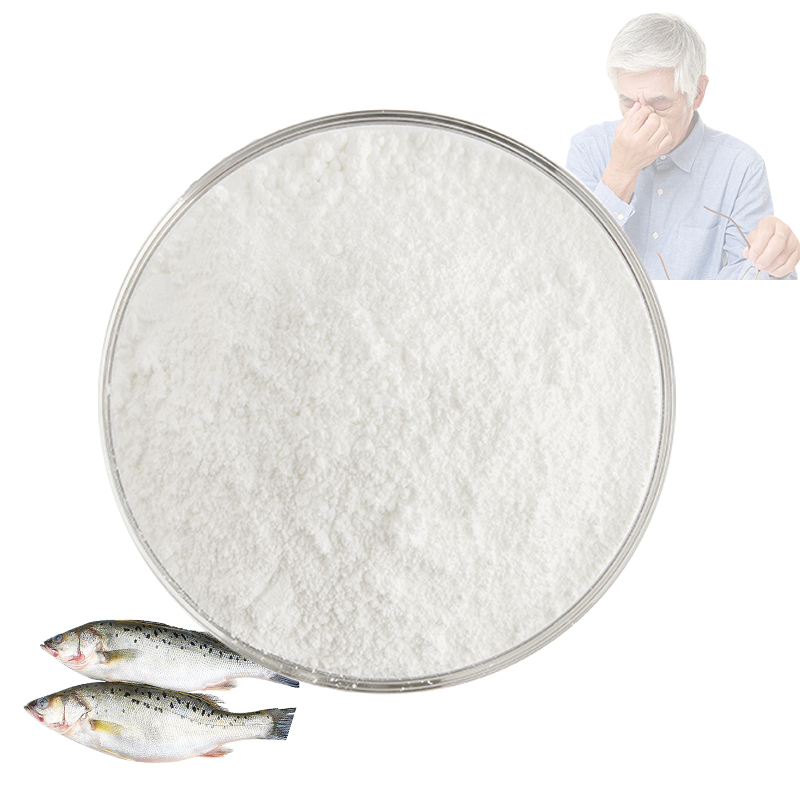
The most significant benefit of hydrolyzed fish protein is its exceptional digestibility. Hydrolysis reduces the protein's molecular size, making it easy for the small intestine to absorb without requiring intensive enzymatic action. People with digestive sensitivities—such as those with IBS, low stomach acid, poor enzyme production, or chronic digestive discomfort—often struggle with regular protein powders. Hydrolyzed fish protein bypasses these challenges by arriving in the digestive tract already in an absorbable form.
Additionally, the quick absorption speed helps the body receive amino acids rapidly, which is especially beneficial for individuals recovering from illness, surgery, or malnutrition. Because the digestive system doesn’t need to work as hard, hydrolyzed fish protein reduces common issues like bloating, gas, and indigestion that may accompany other protein sources. This gentle nature makes it suitable even for those with delicate digestive systems.
Supports Gut Healing and Intestinal Lining Integrity
Hydrolyzed fish protein contains bioactive peptides that are known to support gut barrier repair and regeneration. These peptides help maintain the integrity of the gut lining, which is essential for preventing intestinal permeability, inflammation, and digestive discomfort. A strong gut lining ensures that harmful substances remain inside the digestive tract and nutrients are absorbed efficiently.
Emerging research also suggests that some fish-derived peptides have anti-inflammatory properties that may calm irritated gut tissue. This is particularly beneficial for individuals with conditions like leaky gut, gastritis, or chronic inflammation. Over time, consistent intake of hydrolyzed fish protein can contribute to a stronger, more resilient digestive barrier.

Enhances Nutrient Absorption
Since hydrolyzed fish protein requires minimal digestive processing, nutrients are absorbed more thoroughly and efficiently. This is crucial for individuals who struggle with malabsorption—such as older adults, those with digestive disorders, or people recovering from surgery. When proteins are broken down into smaller peptides, these molecules pass through the intestinal wall quickly and are utilized immediately by the body.
Beyond protein absorption, better gut function enhances the absorption of other nutrients as well. With a healthier digestive environment and improved gut barrier function, vitamins, minerals, and antioxidants from the diet can be utilized more effectively. This makes hydrolyzed fish protein a foundational ingredient for supporting overall nutritional status.
Reduces Digestive Stress Compared to Other Protein Sources
Many people find whey, casein, soy, or plant proteins difficult to digest due to allergens, fibers, or anti-nutrients. In contrast, hydrolyzed fish protein is naturally low in allergens, low in fat, and free from lactose, gluten, and harsh plant compounds. This significantly reduces the chances of bloating, heaviness, or digestive discomfort after consumption.
Furthermore, hydrolyzed fish protein's fast-digesting nature reduces gastrointestinal workload. Where other proteins may sit in the stomach longer and cause discomfort, hydrolyzed fish protein moves efficiently through the digestive tract. This makes it ideal for people needing high-quality protein intake without the digestive burden of other protein forms.
Provides Bioactive Peptides That Support Digestion
The peptides created during hydrolysis don’t just support digestion passively—they actively influence digestive wellness. Some fish peptides have been shown to promote healthy gut microbiota balance by providing nourishing compounds that beneficial bacteria can utilize. Others may encourage digestive enzyme activity, helping the body break down food more effectively.
These peptides can also support metabolic processes that assist nutrient absorption and reduce inflammation associated with digestive discomfort. This unique combination of pre-digested proteins and functional peptides gives hydrolyzed fish protein advantages that extend beyond simple nutrition.
Ideal for Medical Nutrition and Recovery Diets
Hydrolyzed fish protein is frequently used in medical nutrition because of its ease of digestion and high bioavailability. Patients who have undergone surgeries, suffer from chronic illness, or have impaired digestive capacity rely on nutrients that are easy to process. Hydrolyzed fish protein provides essential amino acids that the body can use immediately for tissue repair and immune support.
Its mild flavor, solubility, and compatibility with sensitive stomachs make it suitable for hospital formulas, tube feeding formulations, and specialized recovery beverages. Seniors who often have reduced digestive enzyme production benefit significantly from the gentle nature of hydrolyzed fish protein.

Supports Muscle Repair Without Digestive Burden
Protein is essential for muscle repair, especially after exercise, illness, or injury. However, many people with digestive issues struggle to consume enough protein to maintain or rebuild muscle. Hydrolyzed fish protein solves this problem by offering a high-quality, fast-absorbing amino acid source that doesn’t strain the digestive system.
Because it is rapidly absorbed, hydrolyzed fish protein helps support muscle recovery shortly after intake. It provides essential amino acids needed for cell regeneration, energy production, and maintaining lean body mass. This makes it valuable not only for athletes but also for older adults and individuals in recovery.
Conclusion
Hydrolyzed fish protein is one of the most effective and digestively friendly protein sources available today. Its pre-digested structure ensures easy absorption, its bioactive peptides support gut repair and nutrient uptake, and its gentle nature makes it suitable for individuals with sensitive digestion. Whether used for medical recovery, athletic performance, gut-healing diets, or daily nutrition, hydrolyzed fish protein offers comprehensive support for gut function and overall wellness.
References
-
Kristinsson, H. G., & Rasco, B. A. (2000). Fish protein hydrolysates: Production, biochemical, and functional properties. Critical Reviews in Food Science and Nutrition, 40(1), 43–81.
-
Je, J. Y., Park, P. J., Kwon, J. Y., & Kim, S. K. (2006). A novel angiotensin I converting enzyme inhibitory peptide from Alaska pollack frame protein hydrolysate. Journal of Agriculture and Food Chemistry, 54(2), 553–558.
-
Gandhi, N., & Joshi, S. (2017). Fish protein hydrolysates: A review with focus on functional and bioactive properties. International Journal of Food Science and Nutrition, 6(3), 20–28.
-
Chalamaiah, M., Hemalatha, R., & Jyothirmayi, T. (2012). Fish protein hydrolysates: Proximate composition, amino acid composition, antioxidant activities, and applications—a review. Food Chemistry, 135(4), 3020–3038.
-
Kim, S.-K., & Mendis, E. (2006). Bioactive compounds from marine processing byproducts – A review. Food Research International, 39(4), 383–393.

Send Inquiry
Related Industry Knowledge
- Top 5 Benefits of Using Yeast Extract Beta Glucan Powder
- Blue Spirulina E10: Nature’s Blue Superfood
- Amazing Benefits of the Milk Thistle to Liver
- Mental and Health Benefits of Mushroom Supplements
- What Can Apple Cider Vinegar Tablets Target
- Does inositol reduce belly fat?
- Monascus Red: The Natural Choice for Vibrant, Health-Conscious Color Solutions
- Blueberry Extract Anthocyanin 25%: A Natural Antioxidant Source
- What does ergothioneine do for skin?
- Top Benefits of Eicosapentaenoic Acid
Recommended Products
_1758082936627.webp "Organic Butterfly Pea Flower Powder")