What Is Liposomal Vitamin C & How It Works?
Vitamin C is widely known as a powerful immune-boosting, anti-oxidant, anti-ageing, and anti-viral nutrient. It’s vital for our health, yet we can’t produce our own supply of this super vitamin. Which means we must source it from food or via supplementation.
According to the The National Center for Biotechnology Information (NCBI), intravenous administration of vitamin C has been shown to decrease oxidative stress and, in some instances, improve physiological function in adult humans.
What is Liposomal Vitamin C?
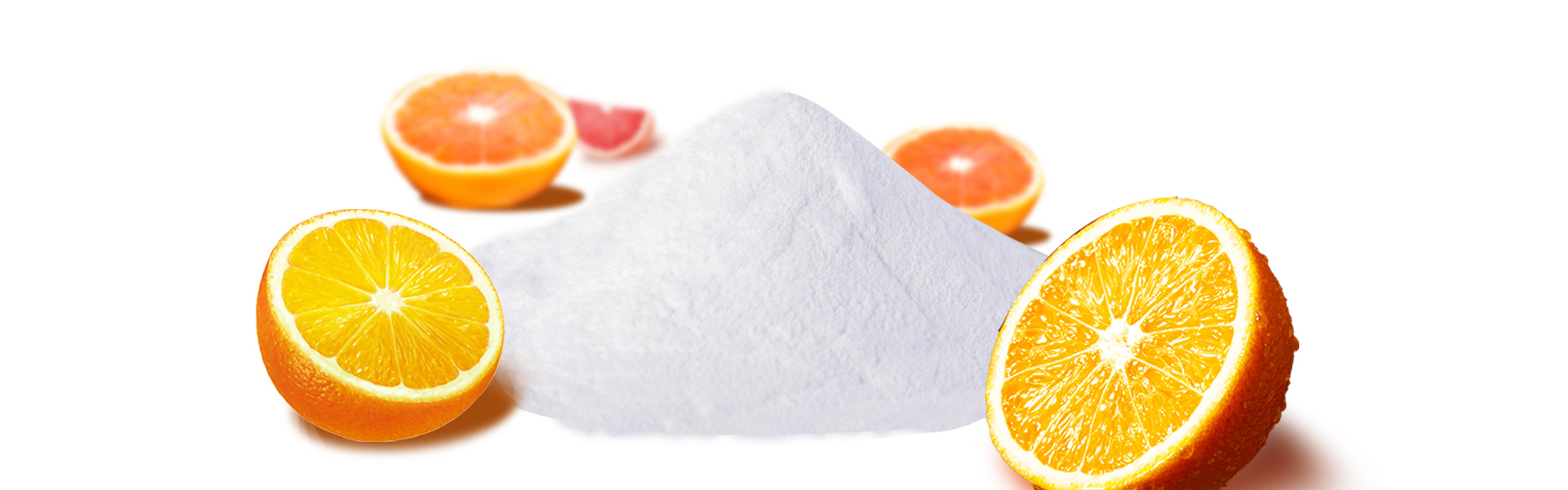
Liposomal vitamin C powder isa form of vitamin C where the ascorbic acid is encapsulated in microscopic, fat-like spheres called liposomes, which are made of phospholipids. This delivery system is designed to protect the vitamin during digestion, allowing for better absorption and higher bioavailability compared to traditional vitamin C supplements. The powder can be mixed with liquids to consume and is popular for those seeking enhanced immune support and cellular protection, especially those with digestive issues.
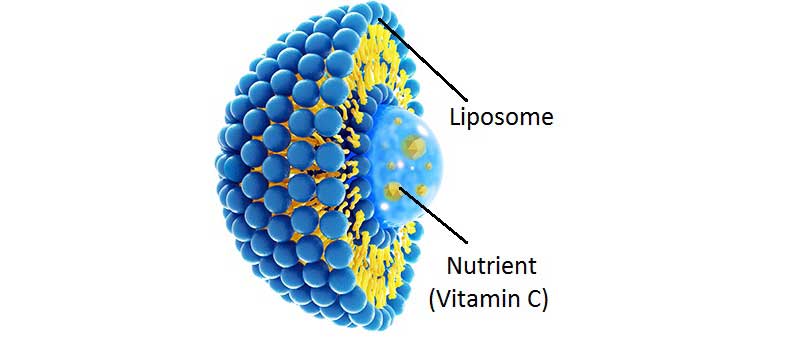
What makes this formulation unique is that this vitamin C comes in liquid form which is then encapsulated into nanosized micelles. These micelles are further enveloped in liposomes. The liposomes shield the tiny vitamin C micelles from the hostile environment and absorption barriers found in the human gut. To better understand how the structure of Liposomal Vitamin C increases vitamin C absorption, let’s dive deeper into what a liposome is.
The Definition of Liposome
Liposomes and vitamin C make a great team. A liposome is a tiny fluid-filled bubble, otherwise called a vesicle, made from the same material as a cell membrane2. Various fluids — such as drugs used to treat a host of diseases — are transported throughout the body via liposomal “carriers.”
Imagine your body is a highway and vitamin C the traveler. The liposome makes the difference between traveling safely by car versus walking barefoot on a busy motorway. When vitamin C travels inside a liposome, it has a better chance of arriving safely at its destination.
The presence of liposomes is the main difference between Liposomal Vitamin C and conventional oral capsule, or liquid vitamin C.
What Does Liposomal Mean?
Now that we know what a liposome is, we can dive into the process of how Liposomal Vitamin C uses liposomes as an administering agent.
Nutrients such as vitamin C need to be digested slowly in order to achieve maximum absorption. But before they reach your small intestine, they have to survive your stomach acid and enzymes. By the time it gets to your intestines, your body has broken it down quite a bit. This leaves only a portion of the vitamin C that’s actually processed.
To make sure your body is receiving as much vitamin C as possible, we employ liposomes to create a protective layer of phospholipids. This helps the vitamin C bypass your digestive process more efficiently. In short, “liposomal” is the process of employing liposomes to protect certain vitamins and minerals as they make their way through your body.

The Definition of Phospholipid
Liposomes contain phospholipids. If you remember from chemistry class, phospholipids are phosphorus-containing, fat-like substances that make up a cell membrane. The phospholipid cell membrane is essential for protecting cells from the outer environment. It also helps your body get the most out of Liposomal Vitamin C.
If you were to look at Liposomal Vitamin C under a microscope, you might think it looks similar to an onion. That’s because it has numerous layers surrounding its core. The phospholipid bilayers provide barriers to protect the cell. It also provides pathways for various substances across membranes.
Each phospholipid bilayer is semi-permeable to allow water, oxygen, and carbon dioxide to pass through. This layer also restricts harmful substances such as stomach acid, enzymes, and free radicals. You can thank your phospholipid bilayers for helping you receive optimal vitamin C absorption.
How Does Liposomal Vitamin C Work?
Liposomal vitamin C follows a unique absorption pathway compared to regular vitamin C.
1. Protection in the Digestive System
Normally, stomach acid and enzymes can degrade ascorbic acid, lowering its availability. With liposomal C, the vitamin is “wrapped” inside a fat layer that protects it during digestion.
2. Enhanced Intestinal Absorption
Liposomes can pass through the intestinal wall more efficiently because the body recognizes their phospholipid structure as familiar. This helps carry more vitamin C into the bloodstream.
3. Improved Cellular Uptake
Once in circulation, liposomes merge with cell membranes through a process called fusion, delivering the vitamin C directly into cells where it’s needed most.
4. Higher Bioavailability
Because liposomal vitamin C bypasses many barriers, it achieves significantly higher bioavailability—meaning more vitamin C actually reaches tissues like:
immune cells
skin cells
liver cells
brain and nerve tissues
This allows for powerful effects even at lower doses.

Benefits of Liposomal Vitamin C
Vitamin C can promote good health in several ways by:
Supporting the immune system
Reducing tiredness and fatigue
Helping the nervous system function normally
Encouraging collagen formation for the normal function of bones, cartilage, blood vessels, skin, gums & teeth
Helping the body mitigate and fight off the symptoms of viral infections such as the common cold and ‘flu
Stimulating the production of infection-fighting white blood cells
Virtually all our cells depend on vitamin C to some extent: it really is a vital nutrient for optimum health. And if we’re stressed or unwell, this can deplete our stores even further, so we really have to be vigilant and take vitamin C each day.
What Is the Difference Between Liposomal Vitamin C and Regular Vitamin C?
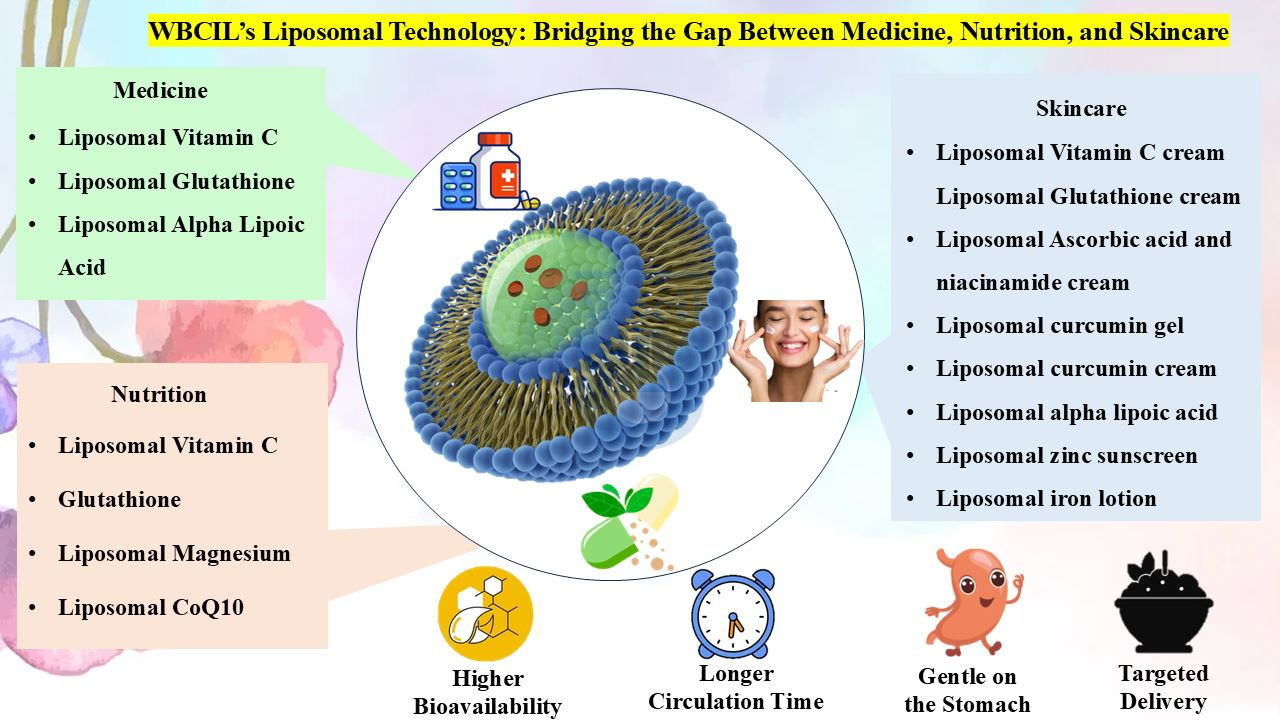
The main difference between Liposomal Vitamin C and regular Vitamin C is the presence of liposome bubbles surrounding the Liposomal Vitamin C.
These protective liposome bubbles are the reason why Liposomal Vitamin C is better absorbed by the body.
There are two main reasons for this:
1) our digestive system breaks it down and destroys it in our gut or intestine
2) it’s a water-soluble vitamin so even if it gets past our gut and reaches our cells, it can’t ‘get in’ because it’s incompatible with the fat-based membrane of our cells
For Vitamin C to reach our body’s cells, it must be protected from the digestive system’s juices and ‘presented’ in a fat-friendly form that can pass through our cell membranes.
This can be done by encasing the vitamin C in a protective bubble of fat-based liposomes which will safely pass through the digestive system undamaged. Then, when they reach the body’s cells, they successfully move through the fat-based cell membrane to arrive inside the cells ready to work its magic.
Conclusion
Liposomal vitamin C represents a major advancement in nutrient delivery. By encapsulating vitamin C inside protective phospholipid vesicles, it achieves improved absorption, better cellular delivery, and gentler digestion compared to regular vitamin C supplements. Whether you're looking for stronger immune support, antioxidant protection, or enhanced skin health, liposomal vitamin C offers a more effective and efficient solution.
Where to buy Liposomal Vitamin C Powder?
You can buy Liposomal Vitamin C Powder at YANGGEBIOTECH Company is an industry-leading manufacturer and distributor for pure dietary supplements. yanggebiotech.com is not just a consumer brand. It also supplies pure ingredients to other brands that distribute food and other supplement products. Contact yanggebiotech.com to place an order today.
Resources
Vitamin C function and status in chronic disease. Gity Sotoudeh. National Library of Medicine. 2002.
Liposome: classification, preparation, and applications. Akbarzadeh A, Rezaei-Sadabady R, Davaran S, Joo SW, Zarghami N, Hanifehpour Y, Samiei M, Kouhi M, Nejati-Koshki K.. National Library of Medicine. 2013.
Dietary Reference Intakes for Vitamin C, Vitamin E, Selenium, and Carotenoids. Institute of Medicine (US) Panel on Dietary Antioxidants and Related Compounds.. National Academics Press. 2000.

Send Inquiry
Related Industry Knowledge
- Green Coffee Bean Extract: A Natural Boost for Health and Wellness
- Chicory Root Side Effects
- Pure Psyllium Husk Powder Health Benefits
- Pure Vitamin C Powder for Face
- Sodium Copper Chlorophyllin vs Chlorophyll
- how do you use matcha green tea powder?
- hemp protein powder benefits and risks
- What are the benefits of meso-zeaxanthin for eyes?
- Is astaxanthin a powerful antioxidant?
- Is It Harmful to Eat NMN Raw Materials Directly?
_1759200216335.jpg "Potato Protein")