Chicory Root Side Effects
Buy inulin and chicory root extract, scientifically known as Cichorium intybus, is a plant native to Europe and Asia. It's widely used for its culinary and medicinal properties. The root is often roasted and ground, making it a popular coffee substitute. Additionally, chicory root contains inulin, a type of dietary fiber that has gained attention for its potential health benefits.
At YANGGEBIOTECH, we are a trusted manufacturer and global supplier of premium Chicory Root Extract Powder and Chicory Root Inulin Powder, providing high-quality botanical ingredients for the dietary supplement, food, beverage, and pharmaceutical industries. Our products are manufactured using advanced processing technology and strict quality control standards to ensure purity, consistency, and excellent performance. Whether you are developing digestive health supplements, functional foods, prebiotic beverages, or wellness formulations, we offer reliable bulk ingredients, customized OEM and ODM services, competitive pricing, and professional technical support to help bring your products to market with confidence. Contact for more details and qouatation Email:info@yanggebiotech.com
In this blog, we'll delve deep into the world of chicory root, examining its side effects, origins, benefits, and more. Let's embark on this journey of knowledge together!
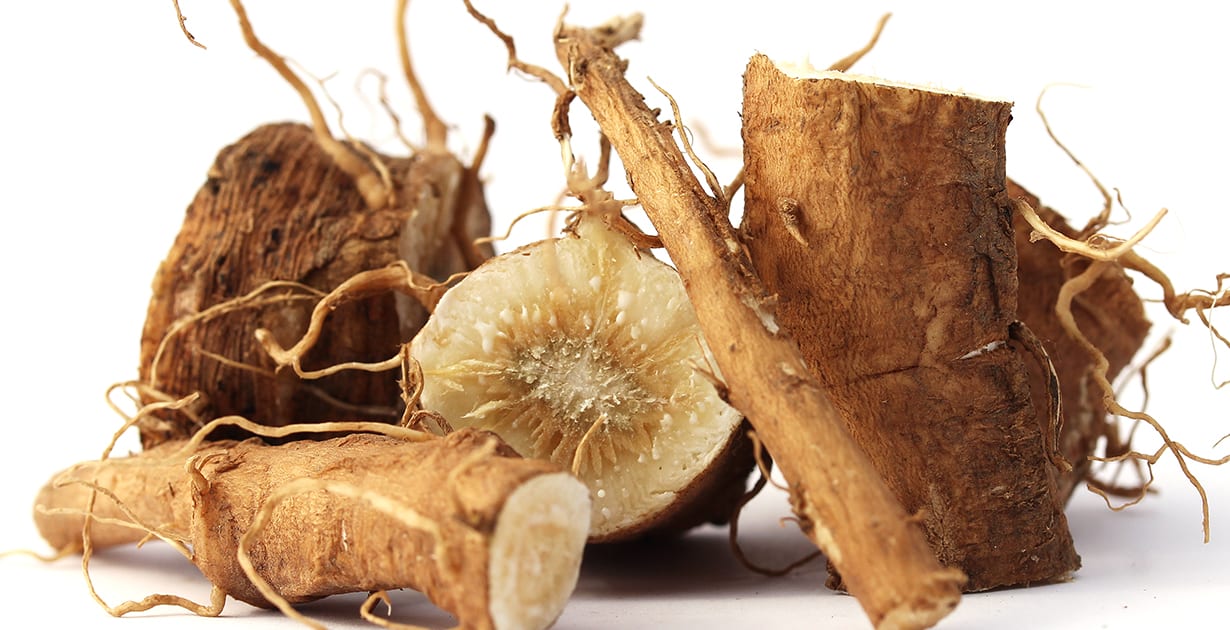
Origins and Benefits
Chicory root history dates back centuries, where it was used for its potential health benefits:
Ancient Medicinal Uses: The ancient Egyptians and Romans believed that chicory root could aid digestion and support liver health.
Modern Applications: In recent years, chicory root has gained attention for its prebiotic properties. Inulin, the soluble fiber found in chicory root, acts as a food source for beneficial gut bacteria, promoting a healthy gut microbiome.
Blood Sugar Regulation: Some studies suggest that inulin may help regulate blood sugar levels by slowing down the absorption of glucose in the digestive tract. This could be beneficial for individuals with diabetes or those at risk of developing it.
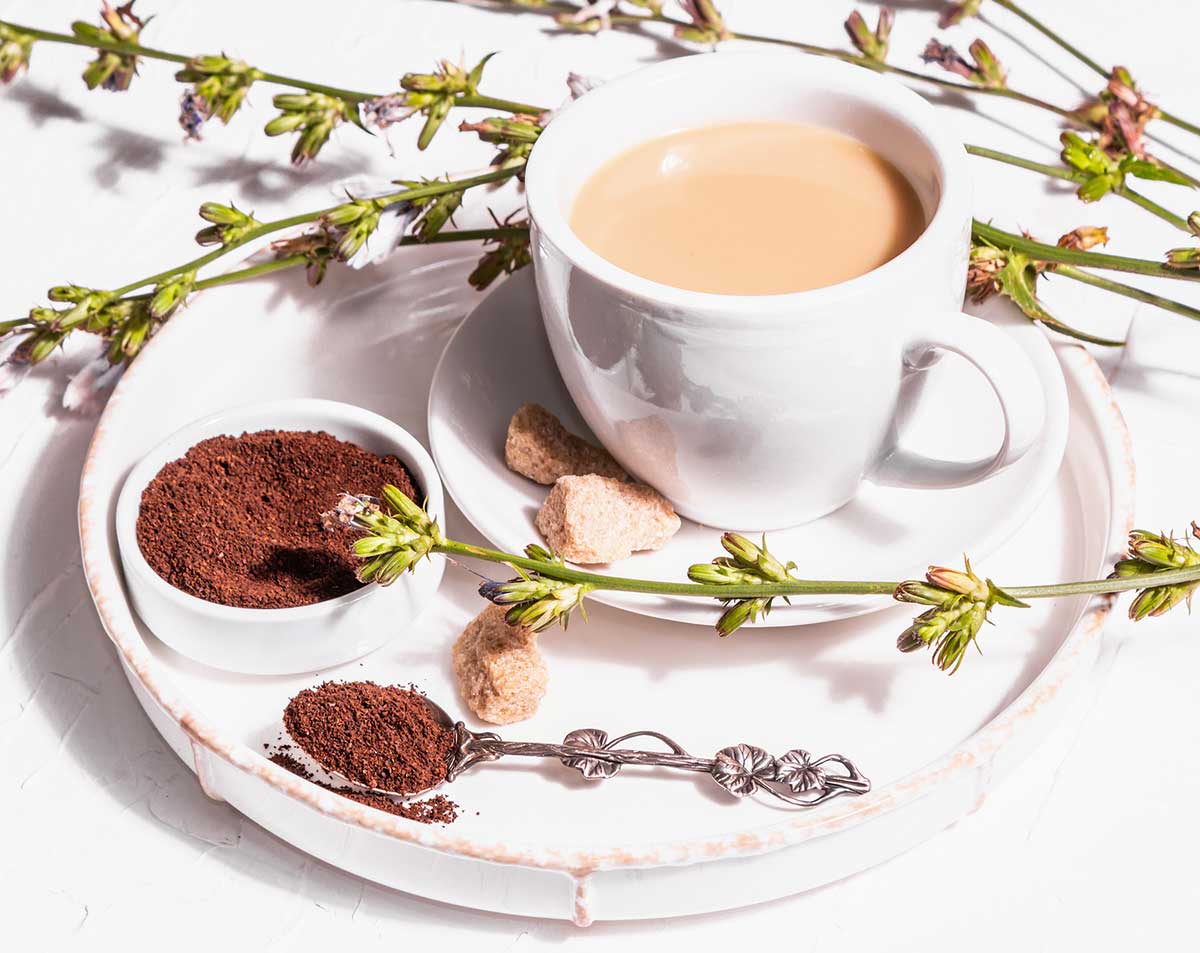
Health Benefits of Chicory Roots
May Support Digestive Health
Chicory root is high in a type of soluble fiber known as inulin.
Inulin and other types of soluble fiber feed beneficial bacteria in your gut, which boosts digestive health. According to a review in Frontiers in Immunology, inulin plays a key role in lowering blood glucose, improving immune function, and helping to prevent disease.
However, some of the inulin in chicory is broken down during the roasting process, according to a review in Advances in Nutrition. Because of this, the inulin content of chicory coffee may be lower than in the unroasted root.
Helps Relieve Constipation
The inulin in chicory may help promote regular bowel movements.
Inulin is a type of soluble fiber, which softens your stools, making them easier to pass, according to Mayo Clinic.
A study in the Journal of Traditional and Complementary Medicine suggests that consuming 300 milliliters (about 1 cup) of roasted chicory root extract a day may lead to improved bowel movements after 4 weeks.
Reduces Oxidative Stress
Chicory root is rich in plant compounds called polyphenols.
Polyphenols are known to have antioxidant properties that protect your cells from oxidative stress and reduce your risk of certain cancers and cardiovascular diseases, according to a review in Scientia Pharmaceutica.
Does Chicory Have Caffeine?
Unlike coffee, chicory does not contain caffeine. Because it's caffeine-free, roasted beverages made exclusively from chicory or blended with other caffeine-free substances are also caffeine-free.
However, chicory products are often blended with coffee, and the caffeine content of chicory-coffee blends can vary depending on their ratio.
Chicory Root Side Effects
Before incorporating chicory root into your diet, it's crucial to be aware of possible side effects:
1. Gastrointestinal Distress
Some individuals may experience bloating, gas, and stomach cramps after consuming chicory root. This is primarily attributed to its high inulin content, which can be challenging for some digestive systems to break down.
2. Allergic Reactions
Allergies to chicory root are rare but possible. If you're allergic to plants in the Asteraceae family (such as daisies, marigolds, or ragweed), you might want to exercise caution when consuming chicory root.
3. Interference with Medications
Chicory root might interact with certain medications. If you're taking medications for diabetes, consult your healthcare provider before adding chicory root to your diet, as it could affect blood sugar levels.
4. Pregnancy and Breastfeeding
Limited research exists on the safety of chicory root during pregnancy and breastfeeding. It's advisable to consult a healthcare professional before consuming it if you fall into these categories.
Who Should Avoid Chicory Root?
Individuals who should avoid or strictly limit chicory root include pregnant or breastfeeding women, people with Irritable Bowel Syndrome (IBS) or FODMAP sensitivities, and those with allergies to ragweed or birch pollen.
People with Ragweed or Daisy Family Allergies
Chicory belongs to the Asteraceae (daisy) family, which also includes ragweed, marigolds, chrysanthemums, and daisies. Individuals with allergies to these plants may experience allergic reactions after consuming chicory root, including skin rash, itching, swelling, or difficulty breathing.
Individuals with Irritable Bowel Syndrome (IBS)
Because chicory root is rich in inulin, a fermentable prebiotic fiber, it may trigger bloating, gas, abdominal cramps, or diarrhea in people with IBS or those following a low-FODMAP diet. Starting with a small amount may help determine individual tolerance.
Pregnant and Breastfeeding Women
There is limited research on the safety of chicory root supplements during pregnancy and breastfeeding. Although chicory is commonly found in foods, concentrated chicory root extracts or high-dose supplements should only be used under the guidance of a healthcare provider.
People with Gallstones or Gallbladder Disorders
Chicory root may stimulate bile production, which could worsen symptoms in individuals with gallstones or other gallbladder conditions. If you have a history of gallbladder disease, consult your healthcare provider before using chicory root supplements.
Individuals Taking Certain Medications
The high fiber content of chicory root may affect the absorption of some medications when taken at the same time. To reduce potential interactions, take chicory root supplements several hours before or after prescription medications, and consult your healthcare provider if you have concerns.
For most healthy adults, chicory root can be safely enjoyed as part of a balanced diet. However, if you have underlying medical conditions, allergies, or digestive disorders, it's best to seek medical advice before adding chicory root supplements to your daily routine.
What is the best form of Chicory Root?
Natural Chicory Root Powder "Superfood" ingredient for a variety of health benefits, according to a new review. YANGGE BIOTECH Chicory root powder factory been tested by the GMP and received the GRAS designation. it's vegan-friendly. Contact us by email: info@yanggebiotech.com
Conclusion
The powdered, roasted root is a healthy, caffeine-free coffee alternative with caramel-like flavor; it can also be used as a low-calorie sweetener. Chicory is extremely safe and well-tolerated in moderation, even in children and pregnant women. But in excess, it may cause bloating and flatulence.
If you're looking to develop premium digestive health products, YANGGEBIOTECH is your trusted partner for high-quality Chicory Root Extract Powder and Chicory Root Inulin Powder. We provide premium botanical ingredients for dietary supplements, functional foods, beverages, and pharmaceutical applications. With strict quality control, advanced manufacturing technology, and flexible OEM and ODM services, we help brands worldwide create safe, effective, and innovative wellness products.
Interested in bulk Chicory Root Extract Powder or customized ingredient solutions? Our team is ready to help with product specifications, pricing, technical support, and free sample requests.
YANGGEBIOTECH
Email: info@yanggebiotech.com
Contact us today to learn more about our premium botanical extracts and discover how our high-quality ingredients can support your next product development project.
References:https://www.webmd.com/vitamins/ai/ingredientmono-92/chicory
https://supplements.selfdecode.com/blog/chicory-root/
https://pharmeasy.in/blog/ayurveda-uses-benefits-side-effects-of-chicory/

Send Inquiry
Related Industry Knowledge
- Beetroot Red: Trendy Ingredient for Wellness
- Is soy lecithin bad for you
- Astaxanthin biverkningar
- Benefits and Advantages of Flour Gluten Free
- Pure Liposomal Glutathione Liquid Health Wellness
- Sea Moss and Bladderwrack Health Benefits
- How to Use Black Carrot Extract in Functional Beverages?
- What Are Anthocyanins? A Deep Dive into Nature's Vibrant Pigments
- Exploring the Origins of Butterfly Pea Powder
- Butterfly Pea Powder for Weight Management
(γ-氨基丁酸).webp "γ-aminobutyric acid (gaba)")