Spirulina for Skin Care: A Bright Blue Future
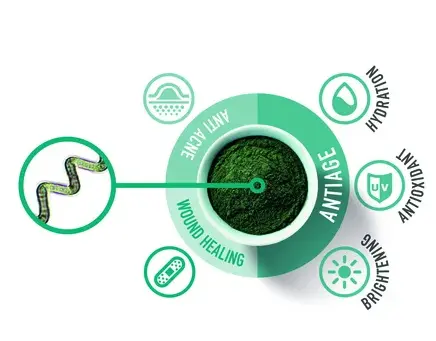
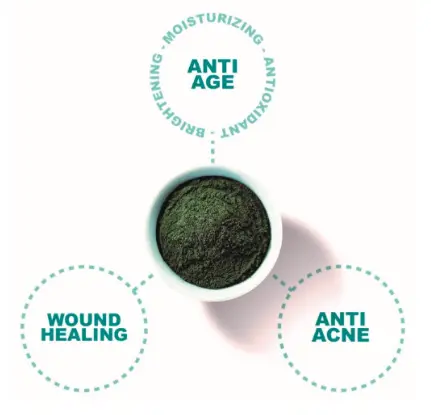
Spirulina stands out as a sustainable bioactive microalga with health-promoting properties, and an important active ingredient of natural cosmetics products. Currently, Spirulina has been incorporated in topical skin-care formulations, such as a moisturizing, antiwrinkles, antiaging and antiacne agent. Furthermore, this microalga is used by cosmetic formulators to promote healthy sunscreen protection, to treat skin pigmentation disorders and to heal wounds. Most of commercial cosmetics claim a large range of Spirulina properties, including antioxidant, revitalizing, remineralizing, moisturizing, protecting alongside cleansing and shining action, both for hair and for skin. In this review, recent cosmetic applications of Spirulina are revised, by highlighting its ability in improving skin appearance and health. Additionally, the analysis of the Spirulina cosmetic benchmark is discussed.
This blog explores how spirulina works for skin health, its key benefits, applications in skincare formulations, and why it is gaining global attention as a next-generation cosmetic ingredient.
What Is Spirulina and Why Is It Blue?
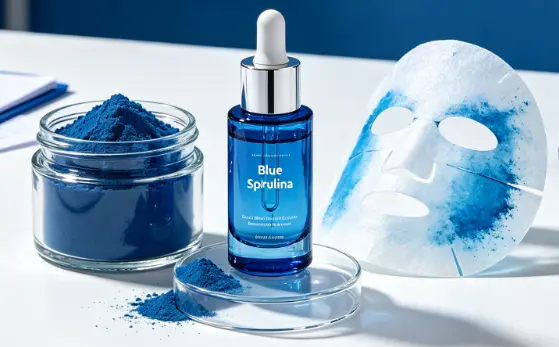
Spirulina is a nutrient-dense microalgae that has been consumed for centuries as a functional food. In skincare and cosmetics, the spotlight often falls on blue spirulina, which is rich in phycocyanin—the natural blue pigment-protein complex responsible for many of spirulina’s skin-enhancing properties.
Unlike green spirulina, blue spirulina contains little to no chlorophyll, giving it:
-
A striking blue color
-
A lighter scent
-
Higher antioxidant concentration
-
Better suitability for cosmetic formulations
Phycocyanin is what makes spirulina particularly valuable for skin care, offering both functional benefits and visual appeal.
Why Spirulina Is Gaining Popularity in Skin Care
Modern skincare trends are driven by three major factors:
-
Clean-label and plant-based ingredients
-
Multifunctional actives
-
Visible, science-supported results
Spirulina checks all three boxes.
It is natural, sustainable, rich in bioactive compounds, and supported by growing research highlighting its antioxidant, anti-inflammatory, and skin-protective effects.
Key Skin Benefits of Spirulina
1. Powerful Antioxidant Protection
One of spirulina’s most important roles in skincare is its ability to combat oxidative stress. Environmental factors such as UV radiation, pollution, and blue light exposure generate free radicals that damage skin cells and accelerate aging.
Spirulina, particularly its phycocyanin content, helps:
-
Neutralize free radicals
-
Protect skin cells from oxidative damage
-
Reduce signs of premature aging
This makes it an excellent ingredient for anti-aging and daily defense skincare products.
2. Anti-Inflammatory and Soothing Effects
Inflammation is a common underlying factor in many skin concerns, including acne, redness, sensitivity, and uneven texture.
Spirulina has natural anti-inflammatory properties that help:
-
Calm irritated skin
-
Reduce redness and swelling
-
Support skin barrier repair
It is especially suitable for sensitive, acne-prone, or environmentally stressed skin.
3. Supports Skin Detoxification
Spirulina is known for its detoxifying properties. In skincare, this translates into:
-
Helping remove impurities from the skin
-
Supporting clearer-looking pores
-
Improving overall skin clarity
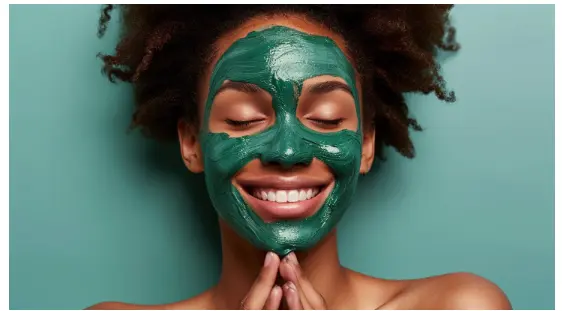
This makes spirulina a popular ingredient in cleansing masks and detox-focused formulations.
4. Promotes Skin Hydration and Elasticity
Spirulina contains amino acids, vitamins, and trace minerals that support skin structure and hydration. Regular use in skincare products can help:
-
Improve skin softness and smoothness
-
Support collagen and elastin function
-
Enhance skin elasticity and resilience
Well-hydrated, elastic skin appears firmer, healthier, and more youthful.
5. Helps Brighten and Revitalize Skin
By reducing oxidative stress and supporting healthy cell turnover, spirulina contributes to:
-
Brighter-looking skin
-
More even skin tone
-
Reduced dullness and fatigue
This is why spirulina is often found in revitalizing masks, serums, and glow-boosting treatments.
Blue Spirulina: A Natural Color with Functional Benefits
One of the most exciting aspects of spirulina in skincare is its natural blue pigment.
Why Blue Matters in Cosmetics
-
Visually signals purity and freshness
-
Aligns with “clean beauty” aesthetics
-
Eliminates the need for artificial dyes
-
Enhances product differentiation
Unlike synthetic colorants, blue spirulina adds both color and skin benefits, making it a highly desirable multifunctional ingredient.
Common Skin Care Applications of Spirulina
Spirulina is widely used across various cosmetic and personal care products, including:
Face Masks
-
Detoxifying masks
-
Hydrating gel masks
-
Anti-aging treatments
Serums and Creams
-
Antioxidant serums
-
Barrier-repair creams
-
Brightening formulations
Cleansers
-
Gentle detox cleansers
-
Daily purifying face washes
Body Care Products
-
Body masks and scrubs
-
After-sun care products
Spa and Professional Treatments
-
Facial treatments
-
Calming and restorative therapies
Spirulina for Acne-Prone and Sensitive Skin
Thanks to its anti-inflammatory and antioxidant properties, spirulina is particularly beneficial for acne-prone and sensitive skin types.
It helps:
-
Reduce inflammation associated with breakouts
-
Support faster skin recovery
-
Minimize post-acne redness
Because it is gentle and naturally derived, spirulina is often well-tolerated even by sensitive skin when formulated correctly.
Sustainability and the Future of Spirulina in Beauty
Beyond its skin benefits, spirulina aligns with sustainability goals in the beauty industry.
Environmental Advantages
-
Requires less land and water than traditional crops
-
Grows rapidly and efficiently
-
Supports eco-conscious sourcing
As brands move toward sustainable and ethical ingredients, spirulina stands out as a future-proof choice.
Challenges and Formulation Considerations
While spirulina offers many benefits, formulators must consider:
-
Sensitivity to high heat
-
Stability in certain pH ranges
-
Proper sourcing and purity
High-quality, standardized spirulina extracts ensure consistency, safety, and performance in skincare applications.
A Bright Blue Future for Skin Care
Spirulina represents more than just a trend—it reflects a broader shift toward functional beauty, where ingredients deliver both aesthetic appeal and real skin benefits. With its antioxidant power, soothing properties, detoxifying effects, and vibrant natural color, spirulina is redefining what modern skincare can be.
As research continues and formulation technologies advance, spirulina—especially blue spirulina—will play an increasingly important role in next-generation skincare products designed to protect, restore, and enhance skin naturally.

Send Inquiry
Related Industry Knowledge
- Unlocking the Benefits of Capsanthin Extract Powder: A Natural Powerhouse
- Green Powder with Chlorophyll and Spirulina
- Astaxanthin biverkningar
- Sea Moss and Bladderwrack Health Benefits
- What does beta carotene do?
- How to use matcha powder?
- Laminaria Digitata Extract for Fat Loss & Metabolism Boost
- hemp protein shake recipes for weight loss
- lycopene benefits in pregnancy
- Bakuchiol: Nature's Gentle Retinol Alternative