
how much beta carotene in carrots?
Carrots are one of the most recognized vegetables in the world — bright, crunchy, and famously linked to good eyesight. The secret behind their vibrant orange color and health benefits lies in beta-carotene, a powerful plant compound that the body converts into vitamin A. This nutrient plays an essential role in maintaining healthy vision, glowing skin, and a strong immune system.
But how much beta-carotene do carrots really contain? And how does your body make use of it? Let’s take a closer look at the nutritional science behind carrots and their role as one of nature’s richest sources of beta-carotene.
What Is Beta-Carotene?
Beta-carotene is a naturally occurring carotenoid, a group of pigments responsible for the red, yellow, and orange colors found in many fruits and vegetables. It’s also known as a provitamin A, which means that once you consume it, your body can convert it into active vitamin A (retinol) as needed.
Vitamin A derived from beta-carotene is essential for several body functions. It helps maintain clear vision, particularly in low light conditions, supports immune health by strengthening the body’s defenses, and contributes to healthy skin by promoting cell regeneration. Moreover, beta-carotene functions as a potent antioxidant, neutralizing free radicals that can damage cells and accelerate aging.
Unlike preformed vitamin A (found in animal products such as liver or eggs), beta-carotene from plants is non-toxic — your body only converts what it requires, making it a safe and efficient source of vitamin A.
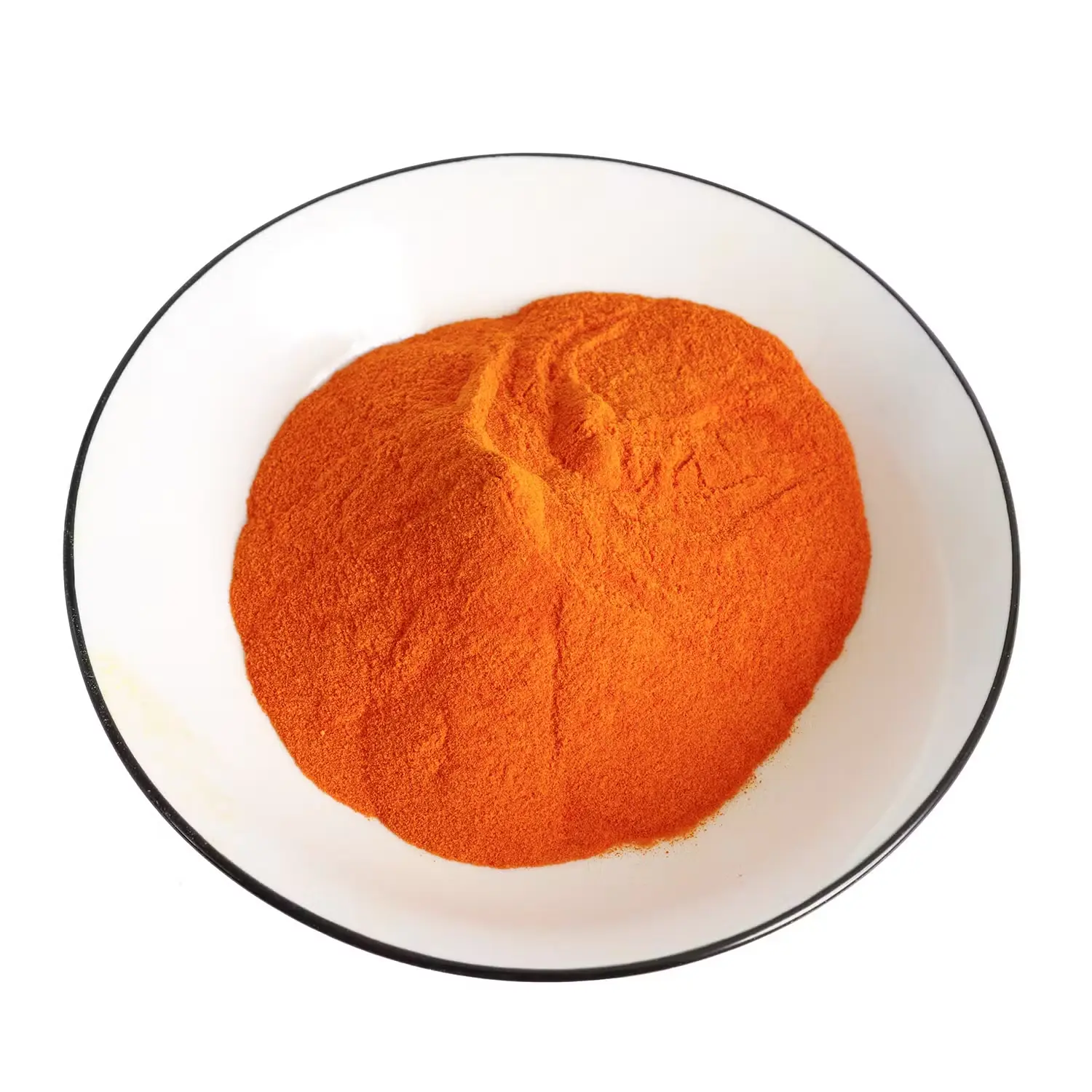
Core Functional Specifications & Bioactive Profile
For formulation chemists and clinical product developers, utilizing a standardized, highly bioavailable carotenoid matrix is essential for batch consistency.
| Standardized Ingredient Format | Primary Industrial Utility | Target Application Fields |
| Beta-Carotene 10% / 20% CWS Powder | Rapid, clump-free cold-water dispersibility; engineered for crystal-clear or cloudy liquid applications. | Functional Beverages, Ready-to-Mix (RTM) Powders |
| Natural Carrot Extract Powder | High-density carotenoid matrix providing natural, heat-resistant orange-red pigmentation. | Confectionery, Bakery, Clean-Label Food Coloring |
| Oil Suspension / Beadlet Formats | Fat-soluble protective matrix designed to prevent oxidative degradation in lipid-based formulas. | Softgels, Dietary Supplements, Functional Oils |
How Much Beta-Carotene Is in Carrots?
Carrots are exceptionally rich in beta-carotene. The amount varies depending on the variety, size, and whether the carrot is raw, cooked, or juiced. On average, 100 grams of raw carrots contain around 8,000 to 8,500 micrograms (µg) of beta-carotene, which is equivalent to about 8–8.5 milligrams (mg).
A medium-sized raw carrot, weighing roughly 60 grams, provides approximately 4,000 to 5,000 µg (4–5 mg) of beta-carotene. When cooked, the content per gram slightly decreases due to heat exposure, but the bioavailability increases — meaning your body absorbs more of it. Cooked carrots usually contain 6,500 to 7,000 µg of beta-carotene per 100 grams.
Carrot juice is also a concentrated source. Just one cup (about 240 mL) can deliver 19,000 to 22,000 µg (19–22 mg) of beta-carotene, making it one of the most efficient ways to boost your intake quickly.
In short, eating one to two medium carrots a day is enough to provide a substantial amount of beta-carotene for your body’s needs.
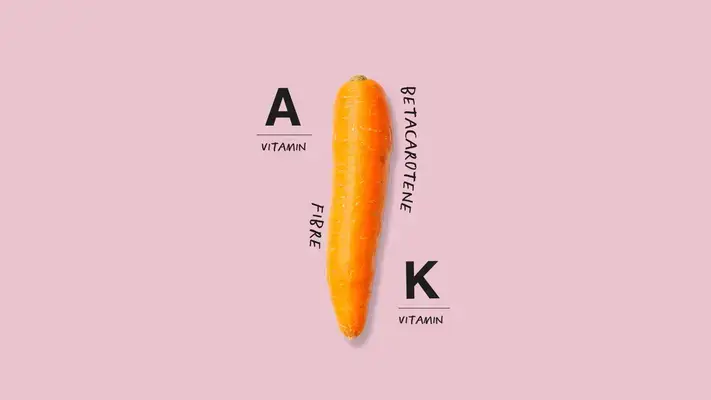
How the Body Converts Beta-Carotene into Vitamin A
The body converts beta-carotene into vitamin A at a ratio of approximately 12:1 — meaning that 12 micrograms of beta-carotene equals 1 microgram of vitamin A (retinol activity equivalent, or RAE).
With this conversion, 100 grams of raw carrots (containing about 8,000 µg of beta-carotene) provide around 667 µg RAE of vitamin A. For reference, the daily recommended intake of vitamin A is 900 µg RAE for adult men and 700 µg RAE for adult women.
This means a single serving of carrots can cover anywhere between 50–90% of your daily vitamin A requirement, depending on your gender and diet. Regular consumption ensures that your body maintains healthy levels without the risk of overconsumption or toxicity.
Does Cooking Affect Beta-Carotene Levels?
Cooking carrots does slightly reduce the total amount of beta-carotene by weight, but interestingly, it increases how much your body can absorb. The heat breaks down the rigid cell walls in carrots, releasing beta-carotene that would otherwise remain trapped.
For instance, studies have shown that steaming or lightly sautéing carrots can make their beta-carotene up to three times more bioavailable than eating them raw. Boiling, on the other hand, may cause some nutrient loss into the water, so it’s best to cook them with minimal water or to use the cooking liquid in soups.
Overall, eating both raw and cooked carrots is beneficial, but cooked carrots — especially when eaten with a little healthy fat — deliver the most usable beta-carotene to the body.
Why Fat Matters for Absorption
Beta-carotene is a fat-soluble nutrient, meaning it dissolves in dietary fats and is absorbed through the intestinal lining along with them. If you eat carrots without any fat, much of the beta-carotene passes through your digestive system unused.
To maximize absorption, pair your carrots with a source of healthy fat such as olive oil, avocado, nuts, or seeds. For example, a salad made with grated carrots and a drizzle of olive oil is not only delicious but also nutritionally smart. Similarly, adding carrots to a stir-fry or blending them into a smoothie with coconut milk can significantly enhance beta-carotene uptake.
Do All Carrots Contain the Same Amount of Beta-Carotene?
Not all carrots are created equal. The orange carrot is the traditional variety and contains the highest beta-carotene levels. In contrast, yellow, red, and purple carrots have different types of carotenoids.
Yellow carrots are rich in lutein, red carrots contain lycopene, and purple carrots are high in anthocyanins — all beneficial antioxidants, but they don’t provide as much beta-carotene. White carrots contain little to no carotenoids at all.
So, if your goal is to increase vitamin A intake naturally, stick to orange carrots — they remain the gold standard for beta-carotene content.
Health Benefits of Beta-Carotene from Carrots
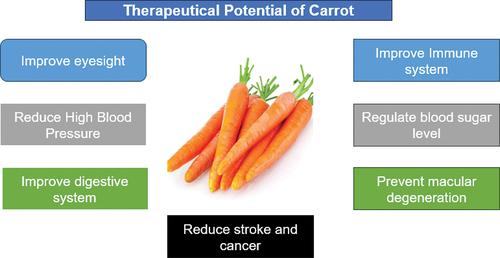
Consuming carrots regularly offers a wide range of health benefits thanks to beta-carotene’s antioxidant and vitamin A–producing properties. The most well-known is eye protection. Beta-carotene helps prevent night blindness, supports proper retinal function, and may reduce the risk of age-related macular degeneration (AMD), a common cause of vision loss.
Beyond eye health, beta-carotene plays a crucial role in immune support, helping your body fight off infections by supporting white blood cell production. It also contributes to healthy skin, reducing dryness and helping the skin recover from sun exposure. Some research even suggests that regular intake of beta-carotene–rich foods can provide a mild, natural glow by increasing skin pigmentation.
As an antioxidant, beta-carotene helps neutralize harmful free radicals that can lead to chronic diseases such as heart disease and cancer. When combined with other plant-based antioxidants like vitamin C and polyphenols, it strengthens your body’s overall defense system.
Can You Have Too Much Beta-Carotene?
The good news is that beta-carotene from food sources is very safe. Since the body regulates how much it converts to vitamin A, there’s virtually no risk of toxicity from eating carrots or other vegetables. However, consuming large amounts over time — especially through juices or supplements — can lead to carotenemia, a harmless condition where the skin takes on a yellow-orange tint. This effect disappears once intake is reduced.
It’s important to note, however, that high-dose beta-carotene supplements are not recommended for smokers or individuals exposed to asbestos, as studies have shown potential health risks in these groups. For most people, though, dietary beta-carotene from vegetables like carrots is a safe and effective way to support overall wellness.
Supply Chain Safety, Quality Assurance, and Regulatory Compliance
To satisfy strict corporate quality control systems and global food safety audits, our manufacturing infrastructure guarantees completely traceable, contaminant-free production loops:
100% Non-Toxic & Regulated Safety Profile: Unlike animal-derived preformed Vitamin A, plant-based natural beta-carotene is entirely non-toxic at high functional dosages. It provides a clean safety profile suitable for infant nutrition, pregnancy formulas, and daily wellness items.
Rigid Chromatographic Standardization: Every batch is strictly standardized via HPLC analysis to guarantee precise active carotenoid counts, eliminating the seasonal and agricultural variances common in raw botanicals.
Clean-Label Infrastructure: Fully verified as non-GMO, allergen-free, and vegan-compliant, allowing manufacturers to secure premium "clean-label" retail shelf space.
Extended Commercial Shelf Life: Packaged under nitrogen-flushed, light-protective barriers to maintain a water activity level of 0.3, granting an uncompromised 24-month ambient shelf life for seamless inventory management.
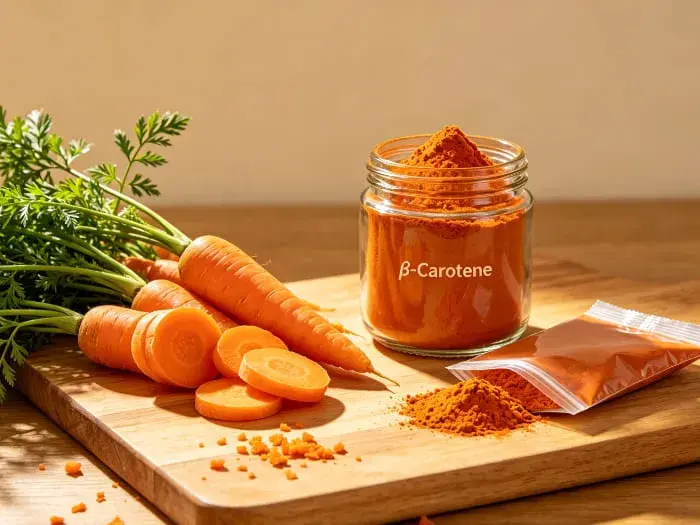
Bulk Supply & Simple Buying Partnerships
Yangge Biotech match factory production to meet the large-volume needs of global food brands, drink makers, and supplement manufacturers. We focus on stable prices, on-time delivery, and full technical help to keep your ingredient supply safe and stress-free.
Why Choose Us:
Guaranteed Supply All Year: Our large factory capacity protects your production schedule from raw plant shortages or sudden market price jumps.
Complete Quality Papers: Every shipment comes with full quality test reports. This includes a specific Certificate of Analysis (CoA) and clean tests for heavy metals, pesticides, and bacteria.
Custom Powder Sizes & Formats: Whether your automated machines need an ultra-fine powder for smooth blending or a liquid mix for oils, we can change the material to match your factory equipment.
Conclusion
Carrots are one of the best and safest natural sources of beta-carotene, providing a reliable and effective way to boost vitamin A intake. A medium carrot contains around 4–5 mg of beta-carotene, and just 100 grams can supply up to 85% of your daily vitamin A needs.
Eating carrots regularly — whether raw, steamed, roasted, or juiced — contributes to better vision, radiant skin, and a stronger immune system. For maximum benefit, pair them with a little healthy fat to enhance absorption.
Incorporating a few servings of carrots into your weekly diet is a simple and delicious way to keep your body nourished, your eyes sharp, and your skin glowing — all thanks to the power of beta-carotene.
Request Free Samples & Technical Papers
To speed up your product testing and quality checks, contact our technical team today: info@yanggbiotech.com
References
-
U.S. Department of Agriculture (USDA). FoodData Central: Carrots, raw and cooked.
-
Institute of Medicine (US). (2001). Dietary Reference Intakes for Vitamin A, Vitamin K, and Carotenoids. National Academies Press.
-
Maiani, G., et al. (2009). Carotenoids: Food sources, intakes, stability, and bioavailability. Molecular Nutrition & Food Research, 53(S2): S194–S218.
-
Rock, C. L., et al. (1998). Carotenoid bioavailability from vegetables: Effects of cooking, fat, and fiber. American Journal of Clinical Nutrition, 68(5), 961–967.
-
Healthline. (2024). Beta-Carotene: Benefits, Sources, and Recommended Intake. Retrieved from https://www.healthline.com

Send Inquiry
Related Industry Knowledge
- Is it safe to take beta-glucan everyday?
- Best Duo Peak Performance NMN + Resveratrol UK
- Pure MSM Powder for Hair Benefits
- Organic Carob Powder Recipe and Benefits
- Organic Protein Powder: Natural Plant Nutrition
- Purple corn extract powder made in china
- How to use matcha powder?
- What are the benefits of Alpha-GPC for men?
- What Is Butterfly Pea Powder and How Do I Use It?
- Can You Use Almond Protein Powder in Coffee and Lattes?
_1784712172905.webp "Clean Label Natural Beta Carotene Supplier")
_1784800389474.jpg "Gardenia Blue Extract")