how much beta carotene to be effective?
Beta-carotene is one of the most important nutrients for human health — a natural plant pigment that gives carrots, sweet potatoes, and pumpkins their rich orange color. But beyond its vibrant hue, beta-carotene plays a vital role in eye health, immune function, and skin protection.
If you’re taking supplements or eating beta-carotene–rich foods, you might wonder: How much is actually effective? Let’s explore how much you need, how your body uses it, and how to get the right amount safely.
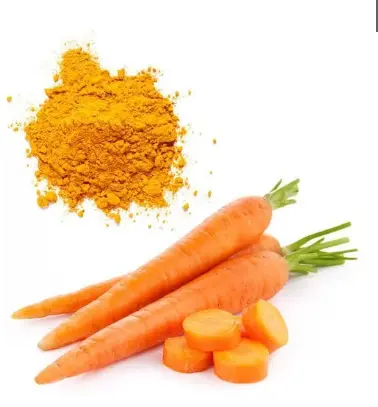
What Is Beta-Carotene?
Beta-carotene is a natural pigment found in many colorful fruits and vegetables that your body converts into vitamin A. This important nutrient supports good vision and helps maintain healthy eyes as you age. Understanding how beta-carotene benefits your eyes can help you make informed decisions about your diet and eye health.. Vitamin A is essential for:
Maintaining healthy vision
Supporting the immune system
Promoting skin repair and growth
Acting as a powerful antioxidant that protects cells from damage
Unlike preformed vitamin A (found in animal foods), beta-carotene from plants is much safer — your body only converts what it needs, preventing vitamin A toxicity.
How Much Beta-Carotene Do You Need Daily?
There is no official Recommended Dietary Allowance (RDA) for beta-carotene itself, since it’s considered a source of vitamin A. However, the RDA for vitamin A is often used as a reference:
| Group | RDA for Vitamin A (Retinol Activity Equivalents - RAE) | Approx. Beta-Carotene Equivalent |
|---|---|---|
| Adult men | 900 µg RAE | ≈ 5,400 µg beta-carotene (9 mg) |
| Adult women | 700 µg RAE | ≈ 4,200 µg beta-carotene (7 mg) |
Your body converts 12 µg of dietary beta-carotene into 1 µg of vitamin A. So, to meet your daily vitamin A needs, you’d typically need between 7–10 mg of beta-carotene from food or supplements.

How Much Beta-Carotene Is Effective for Health Benefits?
The effective amount of beta-carotene depends on your goals — whether it’s for eye protection, antioxidant support, or skin health.
1. For Eye Health
Studies suggest that consuming 6–15 mg of beta-carotene daily helps support healthy vision and protect against age-related macular degeneration (AMD).
This is one reason beta-carotene is included in the AREDS (Age-Related Eye Disease Study) formula for eye supplements.
2. For Skin Health and UV Protection
Beta-carotene acts as an internal sunscreen, helping reduce sun sensitivity and oxidative damage.
Research shows that 12–24 mg per day for at least 10–12 weeks can help improve skin resilience to UV light and promote a healthy glow.
It doesn’t replace sunscreen, but it provides an extra layer of defense.
3. For Immune and Antioxidant Support
Even 5–10 mg of beta-carotene per day can boost immune function by supporting the production of white blood cells and reducing inflammation.
In combination with other carotenoids like lutein and lycopene, beta-carotene helps protect cells from oxidative stress, which contributes to aging and chronic disease.
Can You Get Enough from Food Alone?
Absolutely. Most people can meet their beta-carotene needs through a balanced diet rich in colorful fruits and vegetables.
Beta-Carotene-Rich Foods:
| Food | Beta-Carotene (per 100g) |
|---|---|
| Carrots | 8,200 µg |
| Sweet potatoes | 9,400 µg |
| Pumpkin | 3,100 µg |
| Spinach | 5,600 µg |
| Kale | 9,200 µg |
| Mango | 2,500 µg |
A single medium carrot or half a cup of cooked sweet potato can easily provide 5–10 mg of beta-carotene — enough to meet your daily needs.
Tip: Eating beta-carotene with a small amount of fat (like olive oil or avocado) enhances absorption because it’s a fat-soluble compound.
Should You Take Beta-Carotene Supplements?
Supplements can be useful if you don’t consume enough fruits and vegetables, or if you need extra antioxidant support.
Typical supplement doses range from 6–15 mg daily, often as part of multivitamins or antioxidant blends. However, taking more isn’t always better.
Caution: High doses (above 20–30 mg daily) are not recommended for smokers or people exposed to asbestos, as studies have shown an increased risk of lung cancer with excessive beta-carotene supplementation in these groups.
For most adults, 6–12 mg per day from food and/or supplements is safe and effective.
How Long Does It Take to See Results?
Beta-carotene works gradually. When taken consistently, visible effects such as improved skin tone or better resistance to sun damage may appear in 6–12 weeks.
For eye and immune health, consistent intake over several months offers the best long-term benefits.

Signs You’re Getting Enough Beta-Carotene
You might be getting sufficient beta-carotene if you:
Eat plenty of colorful vegetables and fruits
Have healthy skin, vision, and immunity
Rarely get dry eyes or rough skin
However, excessive intake (mainly from supplements) can cause carotenemia — a harmless yellow-orange tint to the skin, especially on palms and soles. It usually resolves once intake is reduced.
Conclusion
So, how much beta-carotene is effective? Most adults benefit from 6–15 mg per day through food or supplements, depending on their health goals.
For general wellness, aim for at least 5–10 mg daily.
For eye or skin health, 12–24 mg daily is often more effective.
Always combine it with a diet rich in other antioxidants for the best results.
Beta-carotene is a safe, natural way to support healthy vision, glowing skin, and a strong immune system — proof that sometimes, the brightest nutrients come in orange.
References
Institute of Medicine (US). (2001). Dietary Reference Intakes for Vitamin A, Vitamin K, and Carotenoids.
Maiani, G., et al. (2009). Carotenoids: Actual knowledge on food sources, intakes, stability, and bioavailability and their protective role in humans. Molecular Nutrition & Food Research, 53(S2), S194–S218.
Stahl, W., & Sies, H. (2012). Beta-carotene and other carotenoids in protection from sunlight. The American Journal of Clinical Nutrition, 96(5), 1179S–1184S.
Age-Related Eye Disease Study Research Group. (2001). A randomized, placebo-controlled, clinical trial of high-dose supplementation with vitamins C, E, beta carotene, and zinc for age-related macular degeneration and vision loss.
National Institutes of Health (NIH). (2024). Vitamin A and Carotenoids Fact Sheet for Health Professionals.

Send Inquiry
Related Industry Knowledge
- Understandng Blue Spirulina: Origins and Benefits
- Phycocyanin E18: The Future of Nutritional Supplements
- Beetroot Red: Boost Your Health Naturally!
- Application of curcumin extract in animal feed
- glutatión beneficios
- Pure Shilajit UK Natural Benefits
- Pure L Glutamine Powder: Flavored and Cravings
- Chlorella Tablets: A Natural Superfood
- Can Lion's Mane Mushroom Extract Help with Anxiety?
- what is soy lecithin used for in food
Recommended Products