Astaxanthin benefits for skin
If you're a skincare expert, you've probably already heard of astaxanthin, a powerful natural antioxidant that has gained attention in the dermatology field. Best known for its remarkable anti-ageing properties, this active ingredient is revolutionising skincare thanks to its visible and scientifically proven benefits. In this post, we'll explore its properties, skincare benefits, and how to integrate it effectively into your daily routine.
What is astaxanthin?
Astaxanthin is a chemical compound known as a carotenoid. Carotenoids are colored molecules that make up the pigments in plants, algae, and photosynthetic bacteria. There are more than 750 carotenoids that come in a variety of colors like red, orange, yellow, and purple. Besides providing color, carotenoids can be strong antioxidants, filter blue light, and help cells communicate with each other.
Astaxanthin is classified as a keto-carotenoid and has an organic structure that gives plants a red color. It is naturally produced in yeast, fungi, bacteria, and the freshwater microalgae Haematococcus pluvialis. Astaxanthin builds up in algae under stressful conditions such as high salinity (salt levels), high temperature, lack of nutrients, or too much sunlight. When animals such as salmon, shrimp, and krill eat the astaxanthin-rich algae, they gain their characteristic red, orange, and pink hues.
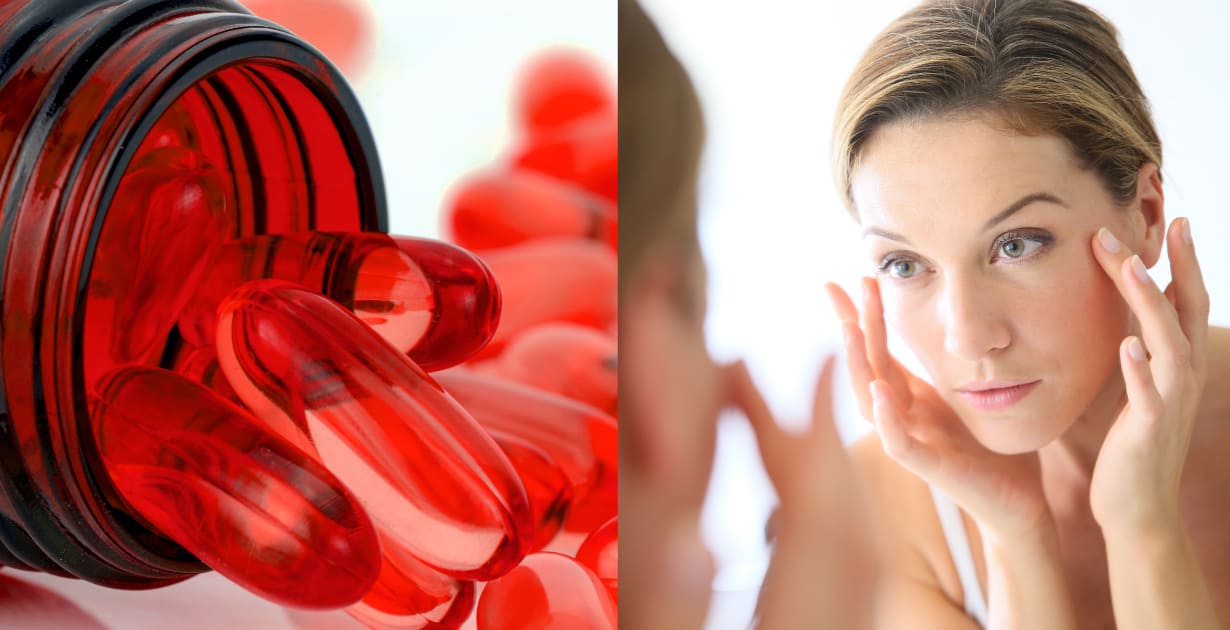
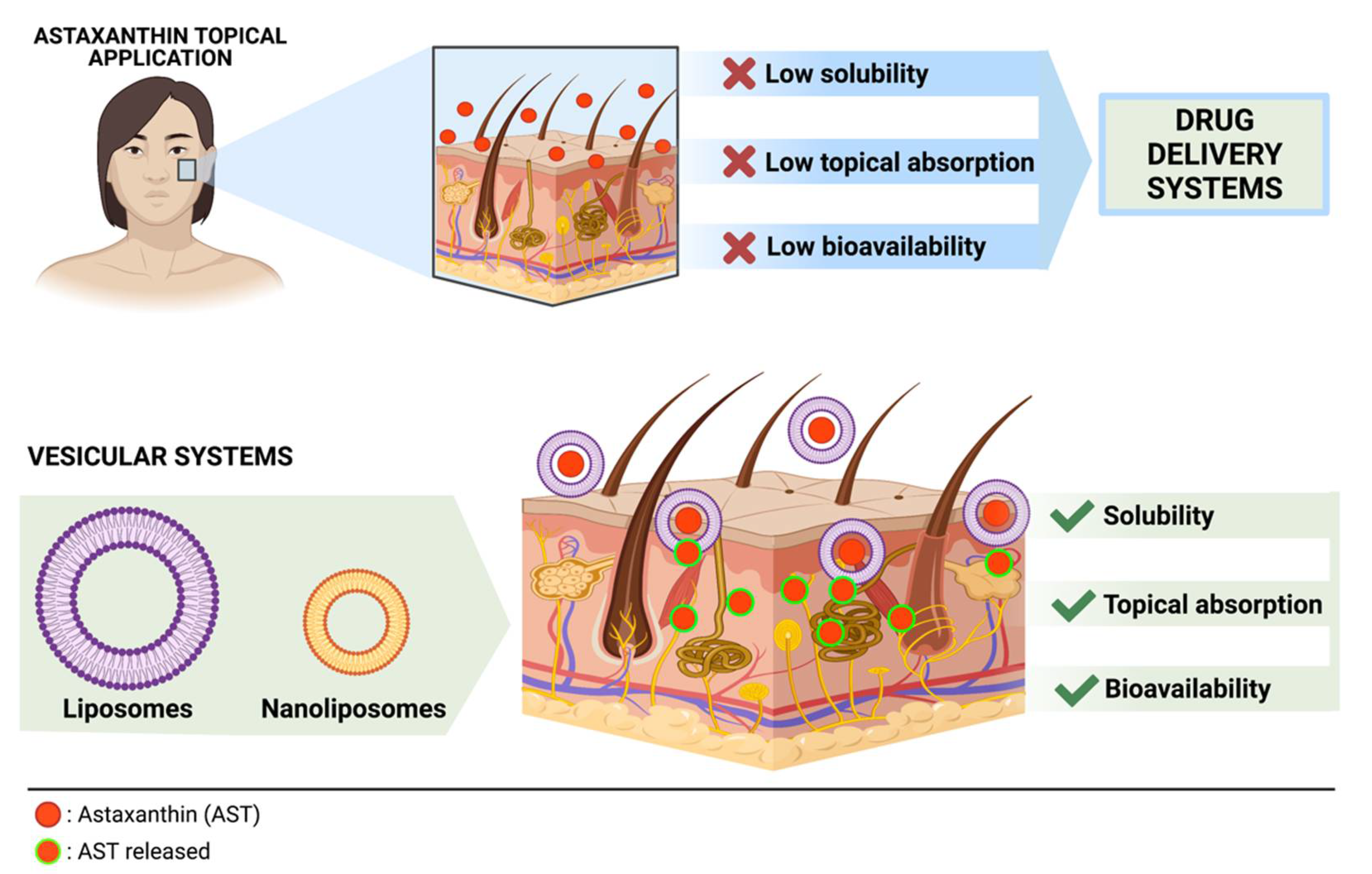
Astaxanthin has gained popularity in the field of dermatology for its ability to improve skin health and appearance by protecting against oxidative damage.
Properties of astaxanthin
This active ingredient is known for its powerful antioxidant, anti-inflammatory and photoprotective properties. Its main characteristics include:
- Anti-oxidation: it neutralises free radicals, protecting skin cells from damage caused by UV radiation and oxidative stress.
- Anti-inflammation: it reduces skin inflammation, which helps prevent premature ageing.
- Photoprotection: it helps protect the skin from the harmful effects of the sun, reducing the risk of sun damage and photo-ageing.
- Improved mitochondrial function: it optimises cellular energy, promoting cell renewal and skin repair.
Astaxanthin for Skin Health
Astaxanthin’s benefits extend significantly to skin health and is renowned for its remarkable skin health benefits including:
1. Reduces Wrinkles, Fine Lines, and Age Spots: Astaxanthin's antioxidant properties play a crucial role in combating oxidative stress caused by free radicals, which can accelerate skin ageing and damage. By reducing oxidative damage, astaxanthin helps to protect skin cells from premature ageing, which can manifest as wrinkles, fine lines, and age spots.
2. Collagen and Elastin Support: Collagen and elastin are key proteins that maintain skin structure, elasticity, and firmness. As we age, the production of these proteins declines, leading to sagging and wrinkles. Astaxanthin promotes the synthesis of collagen and elastin by modulating the activities of enzymes that break them down. This enhancement helps to preserve the skin's youthful appearance and resilience. By supporting the structure and function of the skin matrix, astaxanthin improves skin elasticity. This means the skin is better able to bounce back after stretching or movement, which can reduce sagging and improve overall skin firmness. [2]
3. Skin Hydration: Astaxanthin supports skin hydration by improving the skin’s barrier function. This prevents moisture loss and helps maintain a healthy, hydrated skin surface. Increased hydration can reduce the appearance of dryness and flakiness, contributing to a more radiant and supple skin.
4. UV Protection: Astaxanthin provides a natural defense against the harmful effects of UV radiation, reducing the risk of sun-induced skin damage and premature ageing; It helps to absorb and neutralise UV-induced free radicals, thereby reducing the risk of sunburn and long-term damage such as hyperpigmentation and skin cancer.
5. Anti-inflammatory Effects: Inflammation can exacerbate skin conditions like acne, rosacea, and eczema. Astaxanthin’s anti-inflammatory properties help reduce inflammation and calm irritated skin. By inhibiting pro-inflammatory cytokines and enzymes, astaxanthin minimises redness, irritation, and swelling, leading to a more even and balanced skin tone. Studies have also indicated that astaxanthin can improve skin texture and tone, making it a valuable component in skincare regimens aimed at achieving a youthful, radiant complexion. [5]
6. Skin Repair and Wound Healing: Astaxanthin can enhance skin repair processes by stimulating the proliferation of skin cells and promoting wound healing. This helps in the recovery from minor injuries and enhances the overall health of the skin.
What Are the Overall Health Benefits of Astaxanthin?
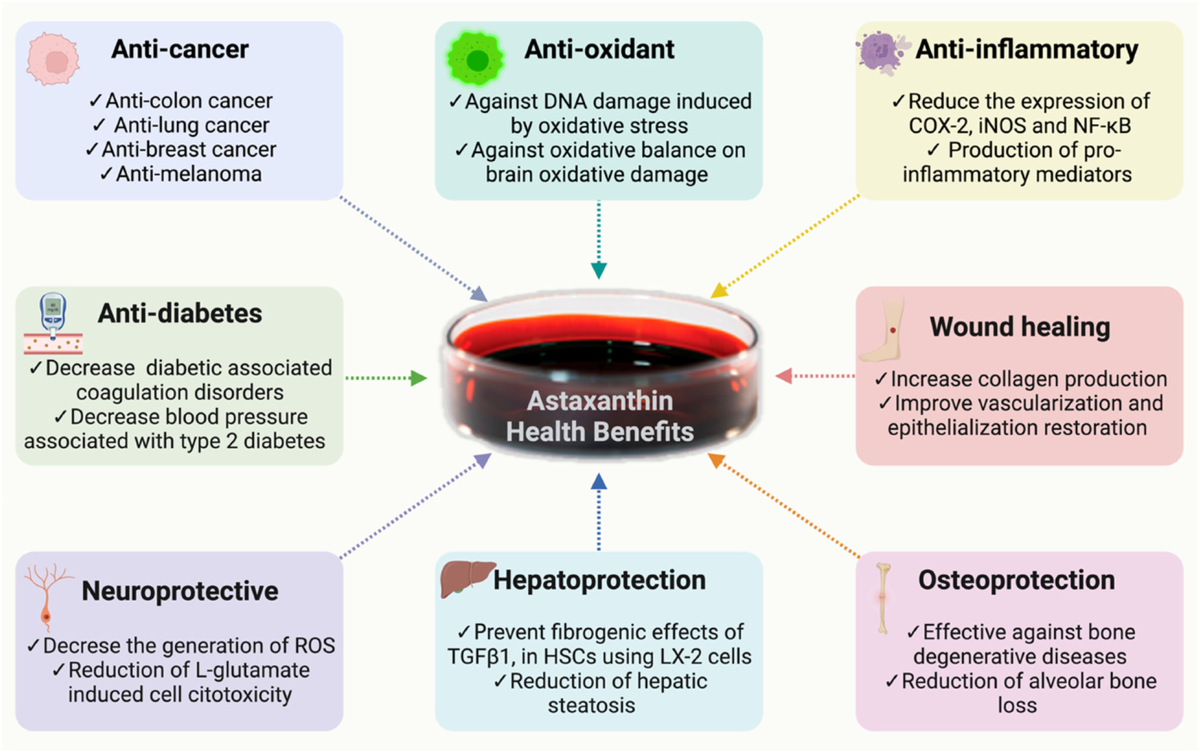
Astaxanthin offers a broad spectrum of health benefits including:
- Astaxanthin is known for its ability to neutralise harmful free radicals, which can damage cells and contribute to a number of chronic diseases as well as ageing.
- This natural carotenoid helps reduce inflammation in the body, potentially aiding in alleviating symptoms of inflammatory conditions such as arthritis.
- Astaxanthin may support heart health by reducing oxidative stress, which is a key factor in cardiovascular diseases. By decreasing inflammatory markers, it supports overall heart health.
- Some studies suggest that astaxanthin can help protect brain cells from oxidative damage and maintain the integrity of neurons and other brain structures due to its powerful antioxidant properties, potentially supporting cognitive health and reducing the risk of neurodegenerative diseases.
- Astaxanthin's potent antioxidant properties neutralise free radicals, preventing oxidative stress and damage to eye tissues and macular degeneration. The anti-inflammatory effects of astaxanthin may help reduce inflammation in the eyes, which, in turn, may alleviate symptoms of eye conditions like uveitis, and improve overall eye health.
How Long Does It Take to See Results from Astaxanthin?
When incorporating astaxanthin into your regimen, whether through diet or supplements, the time it takes to notice effects can vary. Typically, users may begin to see visible improvements in skin health and overall well-being within 4 to 8 weeks of consistent use. This timeframe allows the antioxidant to accumulate in the body and start working. However, individual responses can differ based on factors such as dosage, lifestyle, and overall health. For best results, it’s important to maintain a regular intake and combine astaxanthin with a healthy lifestyle for optimal benefits.
Conclusion
Astaxanthin, with its potent antioxidant properties, offers a range of potential health benefits, from protecting the eyes and skin to supporting heart health and aiding exercise performance. While it can be obtained through dietary sources like seafood, incorporating supplements might be necessary for those looking to attain higher doses for specific health concerns. It's important to consult a healthcare professional before starting any supplementation, especially for individuals with existing medical conditions or those on specific medications. Incorporating astaxanthin-rich foods into one's diet can contribute to overall well-being, offering a natural way to harness the power of this exceptional antioxidant.

Send Inquiry
Related Industry Knowledge
- Top 5 Benefits of Using Yeast Extract Beta Glucan Powder
- Cod Liver Oil: Benefits from Fish
- Hydrolysed Marine Collagen Powder and Capsule
- Sea Moss Benefits for Men
- Organic Chlorella Tablets Benefits for Skin
- BCAA
- Purple corn extract powder made in china
- The Power of Carthamus Red: Nature’s Vibrant Colorant and Beyond
- Is PQQ good for the brain?
- What are the benefits of polydeoxyribonucleotide in skincare?
Recommended Products