How Carbon Black Powder Creates Natural Black Color in Foods
Black-colored foods have become increasingly popular in modern food innovation, appearing in products such as black ice cream, bakery items, beverages, confectionery, and plant-based alternatives. Behind this striking visual appeal is a powerful coloring ingredient: carbon black powder. Known in food applications as E153, carbon black powder delivers deep, uniform black color with exceptional stability. But how exactly does it work, and why is it so effective in food systems?
This article explores how carbon black powder creates natural black color in foods, its unique properties, and why it remains a preferred choice for food manufacturers.
What Is Carbon Black Powder?
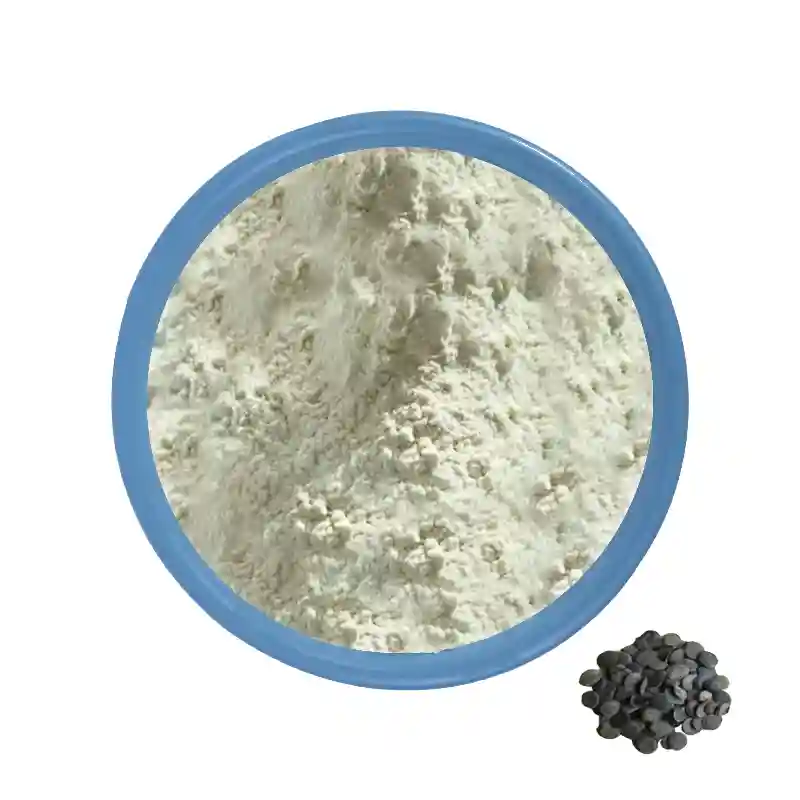
Carbon black powder is a finely divided carbon material produced by controlled combustion or thermal decomposition of carbon-rich natural materials such as vegetable sources, wood, or other plant-based biomass. When processed to meet food-grade standards, it becomes a safe and effective food coloring agent.
In food applications, carbon black powder is valued for its intense black pigmentation, high purity, and chemical stability, making it suitable for a wide range of formulations.

The Science Behind Black Color Formation
Carbon black powder creates black color through a physical light-absorption mechanism, rather than chemical interaction. Its extremely fine particles have a high surface area that absorbs nearly all visible wavelengths of light.
How it works:
Carbon black particles absorb red, blue, and green wavelengths
Minimal light is reflected back to the human eye
The result is a deep, uniform black appearance
This light-absorbing capability makes carbon black one of the most effective black pigments available for food use.
Particle Size and Color Intensity
One of the most important factors in carbon black’s coloring power is its ultra-fine particle size. Smaller particles provide:
Greater surface area
Higher light absorption efficiency
Stronger color intensity at lower dosage
This means only a small amount of carbon black powder is needed to achieve a rich black tone, helping manufacturers maintain product quality without altering taste or texture.
Why Carbon Black Powder Appears “Natural” in Foods
Despite its industrial-sounding name, food-grade carbon black can be considered naturally derived, especially when sourced from plant-based raw materials. It contains no artificial dyes or synthetic pigments.
Key reasons it appears natural:
Neutral color tone without bluish or brown undertones
Matte, uniform finish
No interaction with food flavors or aromas
Stable color across different food matrices
These qualities allow carbon black powder to blend seamlessly into foods without affecting sensory attributes.

Stability Across Processing Conditions
Carbon black powder is exceptionally stable compared to many natural colorants. It maintains color integrity under:
High heat (baking, cooking, pasteurization)
Wide pH ranges (acidic to neutral foods)
Light exposure
Oxidation during storage
This stability ensures consistent color throughout processing, shelf life, and consumption.
Dispersion in Food Systems
Proper dispersion is essential for achieving uniform black coloration. Carbon black powder is typically pre-dispersed in water, oil, or syrup before being added to food formulations.
Common food systems include:
Bakery doughs and batters
Confectionery coatings
Beverages and syrups
Dairy and plant-based desserts
When well-dispersed, carbon black powder delivers smooth, even color without speckling or sedimentation.
Common Food Applications
Carbon black powder is widely used to create visually striking foods, including:
Black ice cream and frozen desserts
Black bread, buns, and cakes
Black candies, gummies, and chocolates
Specialty beverages and cocktails
Gourmet and novelty foods
Its strong visual impact makes it especially popular in premium, artisanal, and trend-driven food products.

Regulatory Considerations
Food-grade carbon black powder is regulated and approved in certain regions under E153. Manufacturers must ensure:
Compliance with local food additive regulations
Low heavy metal content
Absence of polycyclic aromatic hydrocarbons (PAHs)
Proper usage levels
Always verify regulatory approval in your target market before use.
Conclusion
Carbon black powder creates natural black color in foods through its exceptional ability to absorb light, ultra-fine particle size, and high stability. Unlike many natural colorants that fade or change under heat and pH variations, carbon black delivers consistent, deep black color without affecting flavor, aroma, or texture. Its versatility and performance make it a valuable ingredient for food manufacturers seeking bold, visually appealing products that meet modern consumer expectations.

_1747813726627_1755847026660.webp "Chlorophylln E140")