Focus on how it inhibits melanin production and evens out skin tone
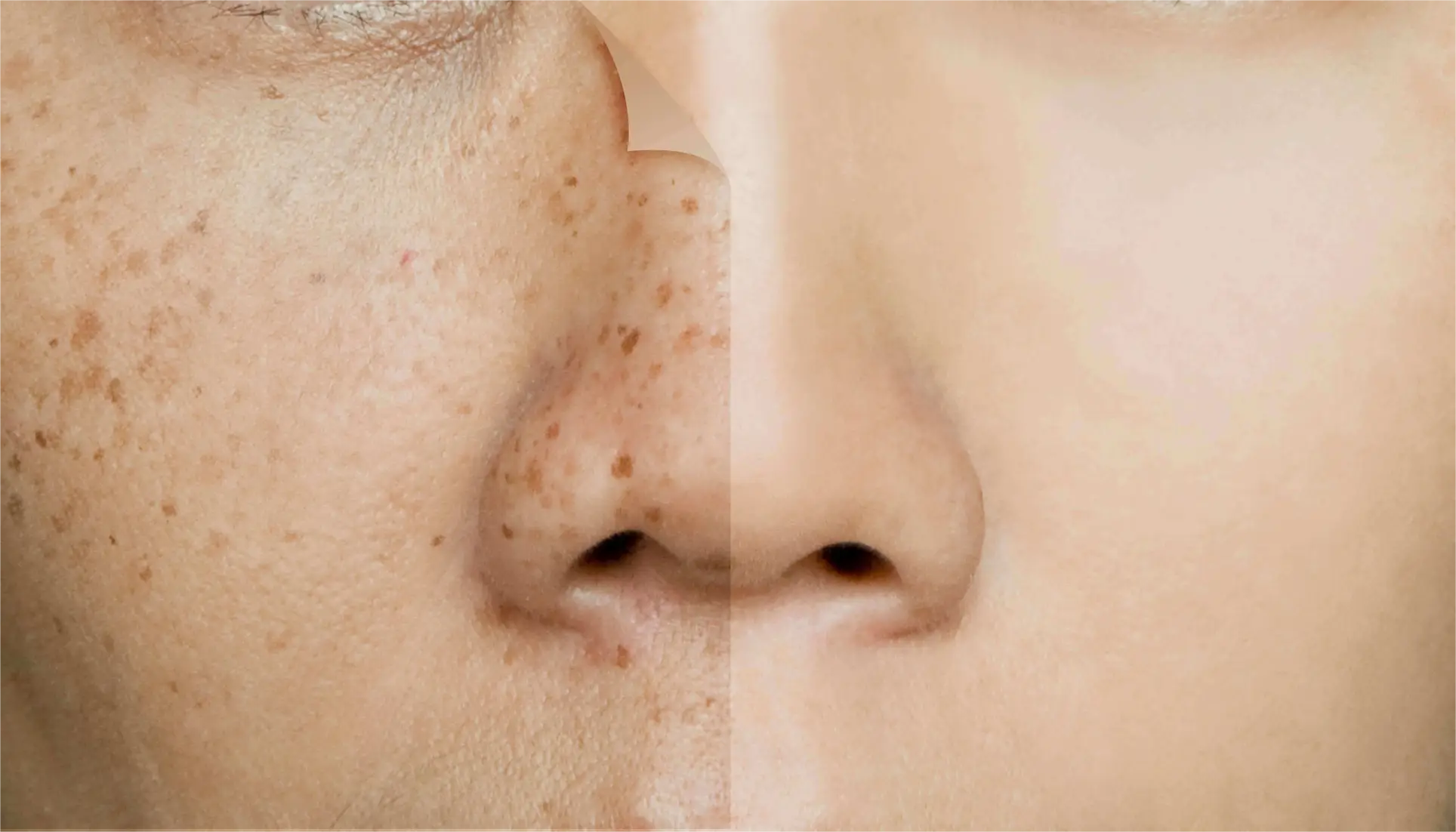
We all desire that healthy, "lit-from-within" glow. However, as we age and spend time in the sun, our skin often develops unwanted guests: dark spots, age spots, and uneven patches of color. This is known as hyperpigmentation.
For years, the beauty industry has relied on harsh chemicals or Vitamin C to try and brighten the skin. But there is a newer, more powerful, and completely natural ingredient that is changing the game. It is called Natural Astaxanthin 10% Oil.
Derived from red microalgae, this vibrant oil doesn’t just sit on the surface of your skin; it works at a cellular level to calm the "pigment factories" in your skin. In this guide, we will explore the science of how Astaxanthin inhibits melanin production and helps you achieve a perfectly even, radiant skin tone.
1. Understanding Melanin: Why Dark Spots Appear
To understand how Astaxanthin works, we first have to understand melanin. Melanin is the natural pigment that gives our skin, hair, and eyes their color. It is produced by special cells called melanocytes.
When your skin is healthy and calm, it produces melanin evenly. However, when your skin is "attacked"—by UV rays from the sun, pollution, or even acne—it goes into defense mode. The melanocytes start overproducing pigment in specific areas to protect the skin’s DNA. This results in:
-
Sun Spots: Small dark patches from years of sun exposure.
-
Melasma: Larger patches of darkened skin often caused by hormones.
-
Post-Inflammatory Hyperpigmentation: Dark marks left behind after a blemish or injury.
2. How Astaxanthin 10% Oil Stops the "Pigment Factory"
Most brightening ingredients try to "bleach" the skin after the pigment is already made. Astaxanthin is smarter. It works by preventing the overproduction of pigment before it even starts. It does this through three main steps:
Step A: Inhibiting the Tyrosinase Enzyme
Inside your skin cells, there is a key worker called Tyrosinase. This enzyme is the "on-switch" for making melanin. When the sun hits your skin, it tells Tyrosinase to get to work.
Research has shown that Natural Astaxanthin can help inhibit (slow down) this enzyme. By gently turning down the "on-switch," Astaxanthin ensures that your skin produces a normal amount of color rather than an over-abundance that leads to dark spots.
Step B: Putting Out the "Inflammatory Fire"
Inflammation is one of the biggest triggers for dark spots. When your skin is irritated or sun-damaged, it becomes "inflamed." This inflammation sends a constant signal to your melanocytes to keep making pigment.
Astaxanthin 10% Oil is a world-class anti-inflammatory. It "cools down" the skin and stops the inflammatory signals. When the "fire" of inflammation is put out, the skin stops producing excess melanin as a distress signal.
Step C: DNA Protection at the Source
When UV light damages the DNA in your skin cells, the cells send out an "SOS" signal that triggers melanin production. Because Astaxanthin is 6,000 times stronger than Vitamin C, it is incredibly effective at protecting the DNA from that initial damage. If the DNA isn't damaged, the "SOS" signal is never sent, and the dark spot never forms.
3. Why 10% Oil is Better than Vitamin C for Brightening
Vitamin C has been the "Gold Standard" for brightening for a long time, but it has several weaknesses that Natural Astaxanthin 10% Oil solves:
-
Stability: Vitamin C goes "bad" (oxidizes) very quickly when exposed to air. Astaxanthin 10% Oil is much more stable and stays effective for a long time.
-
Depth of Action: Vitamin C is water-soluble and often stays on the surface. Because Astaxanthin is an oil, it can penetrate deeper into the lipid layers of the skin where the melanocytes actually live.
-
No Irritation: High concentrations of Vitamin C can be acidic and sting the skin. Astaxanthin is incredibly gentle and actually soothes the skin while it brightens it.
-

4. The "Astaxanthin Glow": Evening Out the Tone
One of the most immediate benefits of using a face oil with 10% Astaxanthin is the glow.
Because Astaxanthin is a deep red pigment, when it is diluted into a face oil, it creates a beautiful, warm, golden tint. This doesn't "stain" the skin; rather, it acts like a natural "color corrector." It helps to instantly neutralize dull, grayish skin tones and provides a vibrant, healthy look. Over time, as the internal melanin production is regulated, this temporary glow is replaced by a permanent, even, and bright complexion.

For the best results in fading dark spots and evening out your tone, a "Double Defense" approach is recommended:
-
Topical (The Outside): Apply a face oil containing Natural Astaxanthin 10% Oil every night. This allows the antioxidant to soak into the skin and repair the "pigment factories" while you sleep.
-
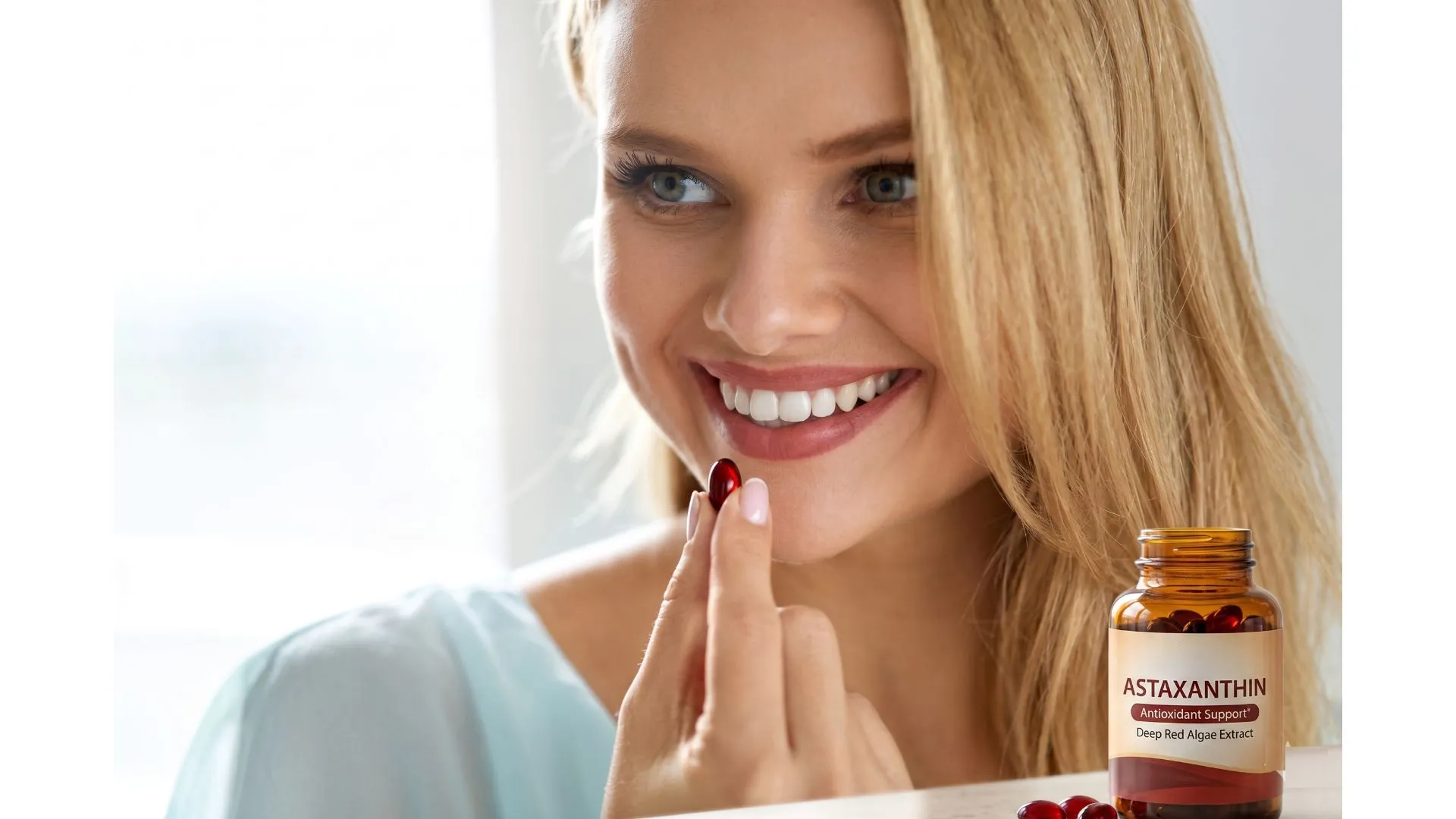
Supplement (The Inside): Taking an oral supplement of Astaxanthin 10% Oil helps protect your skin from the inside out. This ensures that every layer of your skin—not just the surface—is resistant to hyperpigmentation.
Conclusion: A Clearer Future for Your Skin
Brightening your skin doesn't have to involve harsh chemicals or peeling. By working with your skin’s natural biology, Natural Astaxanthin 10% Oil offers a way to calm the production of melanin and protect against future damage.
Whether you are dealing with years of sun damage or just want to clear up the marks left by a recent breakout, this "King of Antioxidants" provides the strength and the gentleness needed to restore your skin to its most even, radiant, and beautiful state.
References and Clinical Literature
-
Tominaga, K., et al. (2012). Cosmetic benefits of astaxanthin on humans subjects. Acta Biochimica Polonica. This study confirmed that astaxanthin can significantly reduce the size of age spots and improve the overall brightness of the skin.
-
Yamashita, E. (2006). The Effects of a Dietary Supplement Containing Astaxanthin on Skin Condition. Carotenoid Science. A clinical trial showing that astaxanthin improves skin tone and reduces the visibility of hyperpigmentation.
-
Kamao, M., et al. (2007). Inhibitory effect of astaxanthin on tyrosinase activity. Journal of Nutritional Science and Vitaminology. This research specifically studied how astaxanthin slows down the tyrosinase enzyme responsible for melanin.
-
Davinelli, S., et al. (2018). Astaxanthin in Skin Health, Repair, and Disease: A Comprehensive Review. Nutrients. A detailed review of how astaxanthin’s anti-inflammatory properties stop the triggers that lead to dark spot formation.
-
Arakane, K. (2002). Superior Skin Protection Properties of Natural Astaxanthin. Carotenoid Science. This paper compares astaxanthin to other antioxidants and highlights its superior ability to prevent UV-induced pigment changes.

_1776411634793.jpeg "Red radish powder E163(i)")