What Makes 10% Astaxanthin Oil the Ultimate Antioxidant?
In the world of nutrition and longevity, "antioxidant" is a buzzword we hear every day. From blueberries to Vitamin C serums, we are constantly told to consume more of them to fight aging and disease. But not all antioxidants are created equal.
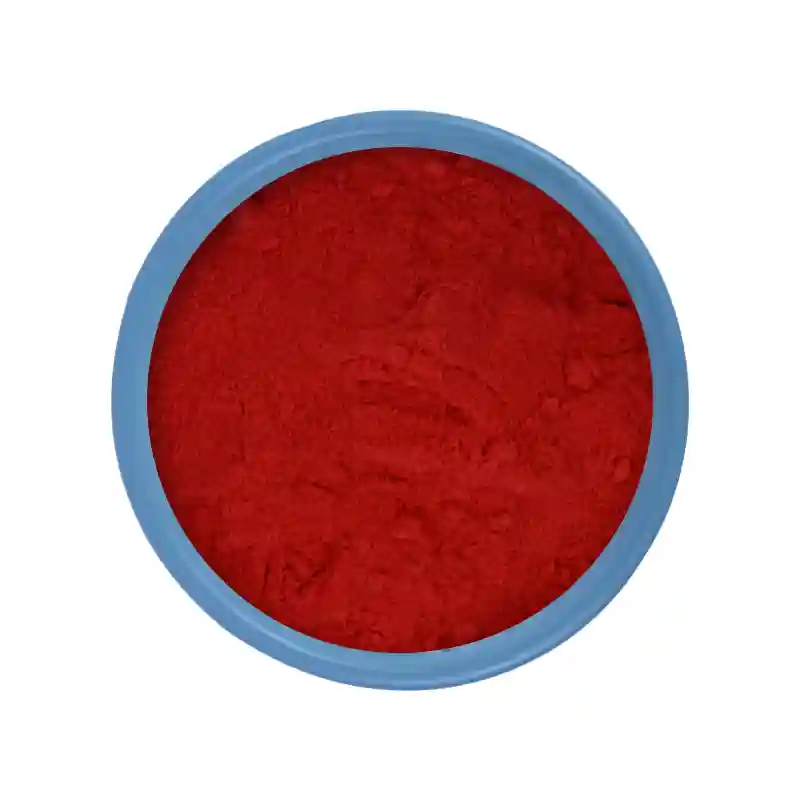
If we were to hold a competition for the most powerful, effective, and versatile antioxidant in nature, there would be one clear winner: Natural Astaxanthin. Specifically, when formulated as a 10% Oil (Oleoresin), this molecule achieves its highest potential for human health.
But what exactly makes it the "ultimate"? It isn’t just about being "stronger" than a vitamin; it is about the unique way this molecule interacts with your body at a microscopic level. In this deep dive, we explore the science, the structure, and the statistics that prove why Astaxanthin 10% Oil is the undisputed King of Carotenoids.
1. The Numbers: Strength Beyond Comparison
The first thing that sets Astaxanthin apart is its sheer power. To understand how it compares to the household names we know, scientists have measured its ability to "quench" singlet oxygen (a very aggressive free radical).
The results are staggering. Natural Astaxanthin is:
- 6,000 times stronger than Vitamin C.
- 800 times stronger than CoQ10.
- 550 times stronger than Vitamin E (Alpha-tocopherol).
- 75 times stronger than Alpha-lipoic acid.
When you use a 10% oil concentration, you are utilizing a substance so potent that even a tiny drop contains more antioxidant "firepower" than an entire basket of traditional superfoods.
2. The Molecular Bridge: Why Shape Matters
The real secret to Astaxanthin’s "ultimate" status isn't just its strength; it’s its shape.
Every cell in your body is surrounded by a "lipid bilayer"—a double-layered wall made of fats. Most antioxidants are either water-soluble (like Vitamin C) or fat-soluble (like Vitamin E). This means they can only protect one part of the cell. Vitamin C stays on the outside, and Vitamin E stays on the inside of the wall.
Astaxanthin is different. It has a long, unique molecular chain with polar groups at both ends. This allows the molecule to span the entire width of the cell membrane.
- It protects the exterior of the cell.
- It protects the interior of the cell.
- It protects the middle (lipid) layer of the cell.
Think of it like a security system. Most antioxidants are like a guard at the front door. Astaxanthin is a security system that monitors the front door, the back door, and every room in the house simultaneously.
3. The "No Pro-Oxidant" Rule: A Safety Breakthrough
This is a more technical point, but it is perhaps the most important reason why Astaxanthin is the "ultimate" choice for long-term health.
Some famous antioxidants, such as Beta-carotene or Vitamin E, can actually become "pro-oxidants" under certain conditions. This means that if they become overwhelmed by free radicals, they can actually start helping the oxidation process instead of stopping it.
Astaxanthin never becomes a pro-oxidant. Because of its stable chemical structure, it can neutralize multiple free radicals at once without ever turning into a harmful molecule itself. This makes it one of the safest high-potency supplements you can take for long-term longevity.
4. Why 10% Oil is the Superior Format
You can find Astaxanthin in powders, tablets, and even synthetic liquids. However, the Natural 10% Oil (Oleoresin) is considered the gold standard by health professionals.
Bioavailability: Astaxanthin is a "fat-loving" molecule. To be absorbed by your gut and reach your skin, eyes, and brain, it must be accompanied by fats. The 10% oil format is pre-dissolved in a lipid base, ensuring that your body can absorb and use it immediately.
Purity via CO2 Extraction: Most high-quality 10% oils are created using Supercritical CO2 Extraction. This is a "green" technology that uses no toxic solvents (like hexane). It produces a pure, clean, and highly concentrated oil that maintains the "living" energy of the algae it came from.
Natural vs. Synthetic: Natural 10% oil contains the 3S, 3'S isomer, which is the exact form found in nature. Synthetic Astaxanthin (made from petrochemicals) has a different shape that is significantly less effective and has not been tested for long-term safety in humans.
5. A Full-Body Sentinel
Because it can cross the Blood-Retinal Barrier and the Blood-Brain Barrier, Astaxanthin isn't just a "skin vitamin" or a "heart vitamin." It is a full-body sentinel. It supports:
- Eye Health: By protecting the retina from blue light.
- Brain Health: By reducing neuro-inflammation.
- Skin Health: By preventing UV-induced wrinkles.
- Muscle Health: By flushing out lactic acid and protecting mitochondria.
Conclusion: The Ultimate Investment in Health
We live in an world filled with oxidative stress—from the food we eat to the air we breathe and the screens we stare at. To combat this, we need an antioxidant that is strong enough to handle the load, smart enough to protect our entire cell, and safe enough to take every day.
Natural Astaxanthin 10% Oil is that molecule. It is a masterpiece of evolutionary biology, perfected by microalgae over millions of years and now available to help us live longer, clearer, and more vibrant lives. If you are going to choose one antioxidant to support your journey to longevity, the "King of Carotenoids" is the only logical choice.
References and Clinical Literature
Nishida, Y., et al. (2007). Quenching Activities of Common Hydrophilic and Lipophilic Antioxidants against Singlet Oxygen. Carotenoid Science. (The definitive study comparing astaxanthin’s strength to Vitamin C and E).
Miki, W. (1991). Biological functions and activities of animal carotenoids. Pure and Applied Chemistry. (One of the earliest papers identifying astaxanthin as a superior antioxidant).
Tominaga, K., et al. (2012). Cosmetic benefits of astaxanthin on humans subjects. Acta Biochimica Polonica. (Clinical proof of the 10% oil's effectiveness on skin health).
Ito, N., et al. (2018). The Protective Role of Astaxanthin for UV-Induced Skin Deterioration. Nutrients. (A study on the biological sunscreen effect of oral astaxanthin).
Capelli, B., & Cysewski, G. R. (2014). The World's Best Kept Health Secret: Natural Astaxanthin. Cyanotech Corporation. (A comprehensive review of the "no pro-oxidant" nature and safety profile of natural algal astaxanthin).