What Is Beetroot Red E162? Uses, Benefits and Applications
Yangge Biotech's supplies Beetroot E162 a premium-quality natural food colorant derived from carefully selected beetroot using advanced extraction and purification technology. Rich in naturally occurring betanin pigments, this vibrant red color ingredient is widely used in beverages, confectionery, dairy products, bakery products, snacks, sauces, dietary supplements, functional foods, and cosmetic formulations. It is an ideal ingredient for manufacturers seeking a clean-label natural red color with excellent purity, stability, and formulation performance.
Looking for a reliable Beetroot E162 supplier? Contact Yangge Biotech today to request product specifications, COA, samples, pricing, or OEM/ODM manufacturing solutions.
Email: info@yanggebiotech.com
Natural food colors are becoming increasingly important in modern food and beverage manufacturing as brands respond to growing demand for plant-based, naturally sourced, and recognizable ingredients. Among the many natural color ingredients available today, Beetroot Red E162 is one of the most widely recognized options for creating attractive red, pink, and purple-red shades.
This article explores what Beetroot Red E162 is, how it is produced, its natural pigments, benefits, uses, applications, and important formulation considerations for manufacturers.
What Is Beetroot Red E162?
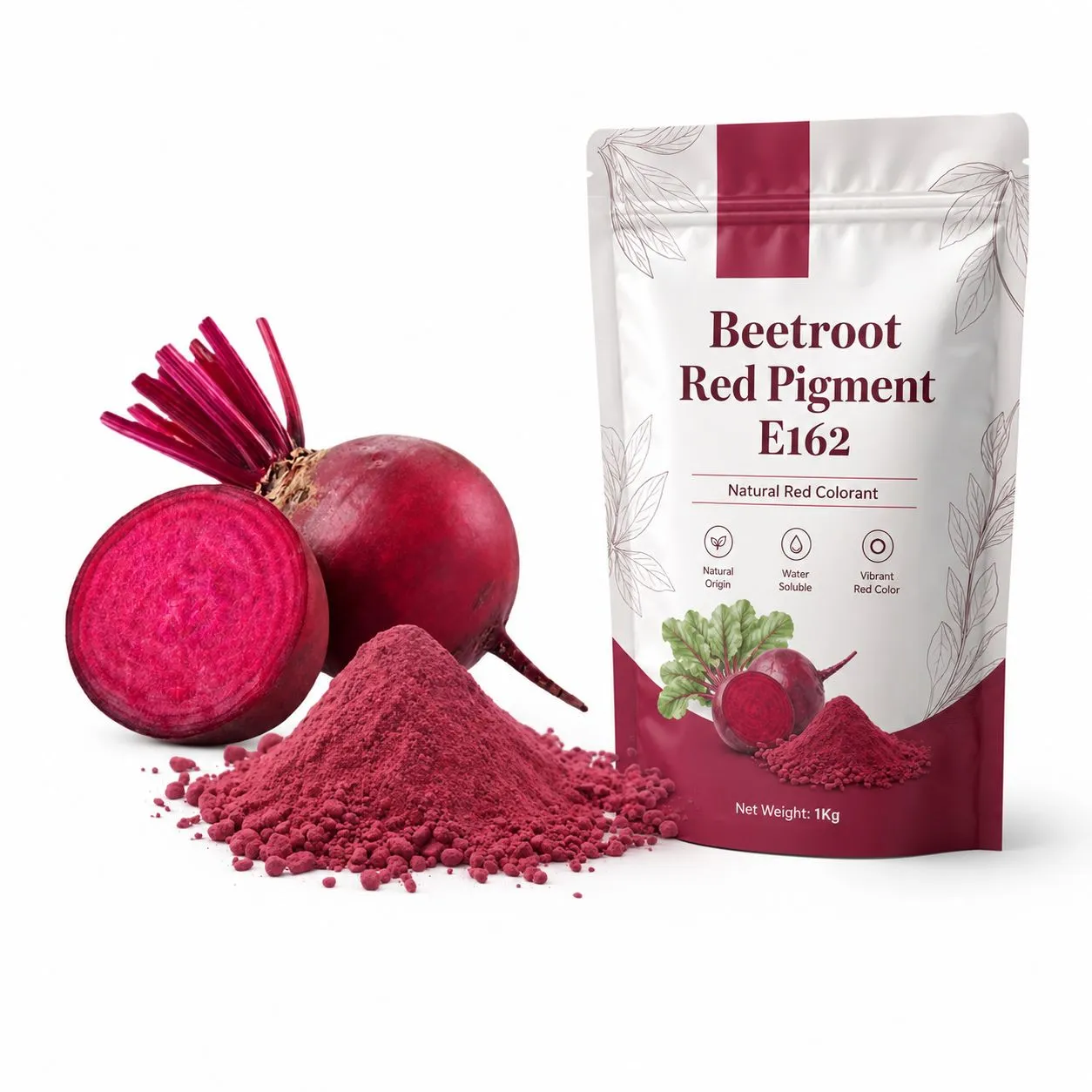
Beetroot Red E162, also known as Beet Red, is a natural coloring ingredient derived from red beetroot (Beta vulgaris). It is used to provide red, pink, purple, and reddish-purple shades in various products.
The designation E162 is the identification number used for beetroot red as a food color in applicable regulatory systems. The ingredient is generally valued for its natural plant origin and its ability to create attractive colors without relying on synthetic red dyes.
Beetroot Red E162 is commonly produced by processing carefully selected beetroot roots and extracting the naturally occurring color compounds. The resulting ingredient may be supplied as a:
- Powder
- Liquid concentrate
- Water-based color preparation
- Customized formulation for specific applications
The final color intensity and shade can vary depending on the concentration of pigments, the raw material quality, processing method, and product formulation.
Where Does Beetroot Red E162 Come From?
Beetroot Red E162 comes from the root of the beet plant, scientifically known as Beta vulgaris. Red beetroot has been cultivated and consumed for centuries as a vegetable and is recognized for its naturally vibrant red-purple color.
The roots contain naturally occurring pigments that can be extracted and concentrated for use as coloring ingredients. After harvesting, the beetroot is typically cleaned and processed to obtain the color-containing material.
The manufacturing process may involve several stages, including:
- Selection of high-quality beetroot
- Cleaning and preparation of the raw material
- Extraction of natural pigments
- Filtration and purification
- Concentration of the color compounds
- Drying or formulation into the desired product form
- Quality testing and packaging
The exact manufacturing process can vary depending on the supplier, desired specification, final application, and whether the product is supplied as a powder or liquid.
What Gives Beetroot Red E162 Its Color?
The characteristic color of Beetroot Red E162 comes primarily from a group of natural pigments called betalains.
Betalains are water-soluble pigments found naturally in certain plants. In red beetroot, the most important pigments for red coloration are known as betacyanins.
Betacyanins
Betacyanins are responsible for the red, magenta, and purple-red shades associated with beetroot. One of the best-known betacyanin pigments found in beetroot is betanin.
These natural pigments are responsible for giving Beetroot Red E162 its attractive visual properties.
Betaxanthins
Beetroot may also contain yellow-orange betalain pigments known as betaxanthins. The combination of naturally occurring pigments can influence the final appearance and shade of the coloring ingredient.
The balance and concentration of these pigments can vary depending on factors such as:
- Beet variety
- Growing conditions
- Harvesting practices
- Raw material quality
- Processing method
- Extraction conditions
- Storage conditions
What Color Does Beetroot Red E162 Produce?
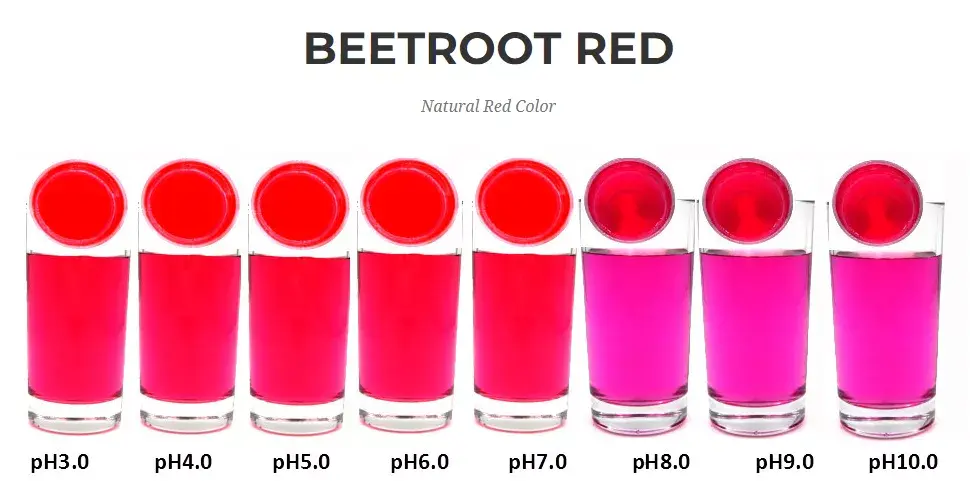
Beetroot Red E162 can produce a variety of shades depending on its concentration and the product formulation.
Common shades include:
- Light pink
- Bright pink
- Rose red
- Bright red
- Deep red
- Magenta
- Purple-red
- Reddish-purple
The final color achieved in a finished product depends on many formulation factors, including the amount of color used, the product's pH, processing temperature, other ingredients, and storage conditions.
Because it is a natural coloring ingredient, manufacturers often conduct application testing to determine the most suitable dosage and formulation for their specific product.
Benefits of Beetroot Red E162
1. Natural Plant-Based Color
One of the primary benefits of Beetroot Red E162 is its natural plant origin. It is derived from beetroot, making it attractive to manufacturers seeking naturally sourced alternatives to synthetic food colors.
As consumer interest in plant-based and naturally derived ingredients continues to grow, Beetroot Red E162 can be considered for products positioned around more recognizable ingredient choices, subject to applicable regulations and labeling requirements.
2. Provides Attractive Red and Pink Shades
Beetroot Red E162 can create vibrant and visually appealing colors ranging from light pink to deep red and purple-red.
Color is an important part of consumer perception. In food and beverages, appearance can influence how consumers perceive:
- Flavor
- Freshness
- Quality
- Product identity
- Premium positioning
Beetroot Red E162 helps manufacturers create naturally inspired color profiles for a wide range of products.
3. Suitable for Multiple Applications
Beetroot Red E162 is a versatile ingredient that can be used across several product categories.
Depending on the specific formulation and processing conditions, it may be used in:
- Beverages
- Powdered drink mixes
- Confectionery
- Gummies
- Dairy products
- Frozen desserts
- Bakery fillings
- Dessert products
- Nutritional supplements
- Functional foods
This versatility makes it an attractive natural color option for manufacturers developing different product lines.
4. Water-Soluble Natural Pigments
The betalain pigments found in beetroot are naturally water-soluble, which can make Beetroot Red E162 useful for certain water-based food and beverage applications.
This characteristic can be particularly beneficial for products such as:
- Fruit beverages
- Functional drinks
- Powdered beverage mixes
- Syrups
- Liquid formulations
However, solubility and dispersion performance may vary depending on the product specification and carrier system used by the manufacturer.
5. Supports Clean-Label Product Development
Clean-label trends continue to influence the food and beverage industry. Many manufacturers are exploring ingredients that are naturally derived and easier for consumers to recognize.
Beetroot Red E162 may support clean-label product development strategies depending on:
- Regional regulations
- Ingredient declaration requirements
- Product category
- Processing method
- Marketing claims
Manufacturers should always confirm applicable labeling and regulatory requirements in their target markets.
6. Contains Naturally Occurring Betalain Pigments
The color compounds found in beetroot belong to the betalain family of natural pigments. These compounds are also studied for their antioxidant activity.
While Beetroot Red E162 is primarily used as a coloring ingredient, its naturally occurring plant compounds contribute to the overall interest in beetroot-derived ingredients.
Health-related claims should always be supported by appropriate scientific evidence and comply with local regulations.
Uses of Beetroot Red E162
The primary use of Beetroot Red E162 is as a natural coloring ingredient. It can be used to improve the appearance of finished products and create appealing red and pink shades.
Below are some of its most common uses.
Natural Food Coloring
Beetroot Red E162 is widely used as a natural alternative to certain synthetic red color ingredients. It can help manufacturers develop products with naturally sourced color systems.
Depending on the formulation, it can create shades from soft pink to rich red and reddish-purple.
Beverage Coloring
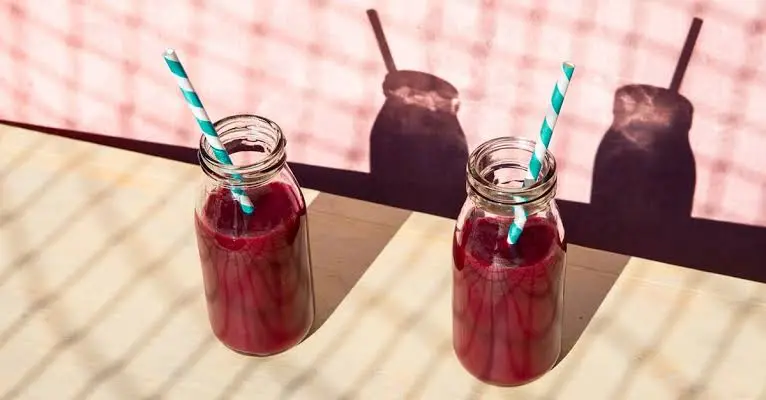
Beverages are one of the major application areas for natural colors.
Beetroot Red E162 may be used in:
- Fruit drinks
- Juice beverages
- Functional beverages
- Sports drinks
- Wellness drinks
- Powdered beverage mixes
- Flavored water products
- Syrups
- Ready-to-drink formulations
Manufacturers should evaluate the stability of the color under the product's specific processing and storage conditions.
Confectionery Coloring
Beetroot Red E162 can provide attractive colors for confectionery products such as:
- Gummies
- Jellies
- Soft candies
- Hard candies
- Chewy confectionery
- Fruit snacks
- Candy fillings
Its natural red and pink shades can help create visually attractive products while supporting the use of naturally derived coloring ingredients.
Dairy and Frozen Dessert Coloring
The ingredient can also be considered for dairy-based and frozen applications.
Possible products include:
- Yogurt
- Flavored yogurt
- Ice cream
- Frozen yogurt
- Milk-based desserts
- Dessert sauces
- Cream fillings
The interaction between the natural color and ingredients such as proteins, fats, acids, and stabilizers should be evaluated during product development.
Bakery Applications
Beetroot Red E162 may be used in selected bakery applications, especially in products that require attractive pink or red shades.
Potential applications include:
- Cake fillings
- Frostings
- Icings
- Cream fillings
- Dessert toppings
- Bakery decorations
- Cookie fillings
Color performance can be influenced by baking temperatures and processing conditions. Application testing is important for determining suitability.
Nutritional Supplements
Natural colors are increasingly used in the nutraceutical and dietary supplement industry.
Beetroot Red E162 may be incorporated into:
- Powdered supplements
- Drink mixes
- Gummies
- Chewable products
- Functional food powders
- Wellness formulations
The ingredient can provide an attractive natural appearance while complementing plant-based and naturally positioned formulations.
Important Formulation Considerations
Although Beetroot Red E162 provides attractive natural colors, manufacturers should consider several technical factors during product development.
pH
The pH of the final product can influence the appearance and stability of natural beet pigments.
Manufacturers should test the color in the actual finished product rather than relying only on color performance in water.
Temperature
Natural pigments can be sensitive to heat exposure. High processing temperatures and long heating periods may affect color intensity.
Testing under actual manufacturing conditions is recommended, particularly for:
- Pasteurization
- Baking
- Cooking
- Sterilization
- Hot filling
Light Exposure
Exposure to light during storage may influence the stability of natural colors.
Appropriate packaging and storage conditions can help protect the finished product from unnecessary light exposure.
Oxygen Exposure
Oxidation can also affect the stability of certain natural pigments. Product developers may evaluate packaging systems and formulation strategies to help maintain product quality.
Storage Conditions
Temperature, humidity, and light exposure should be considered during storage.
For powdered Beetroot Red E162, appropriate packaging can help protect the ingredient from moisture and environmental exposure.
Beetroot Red E162 Powder vs. Liquid
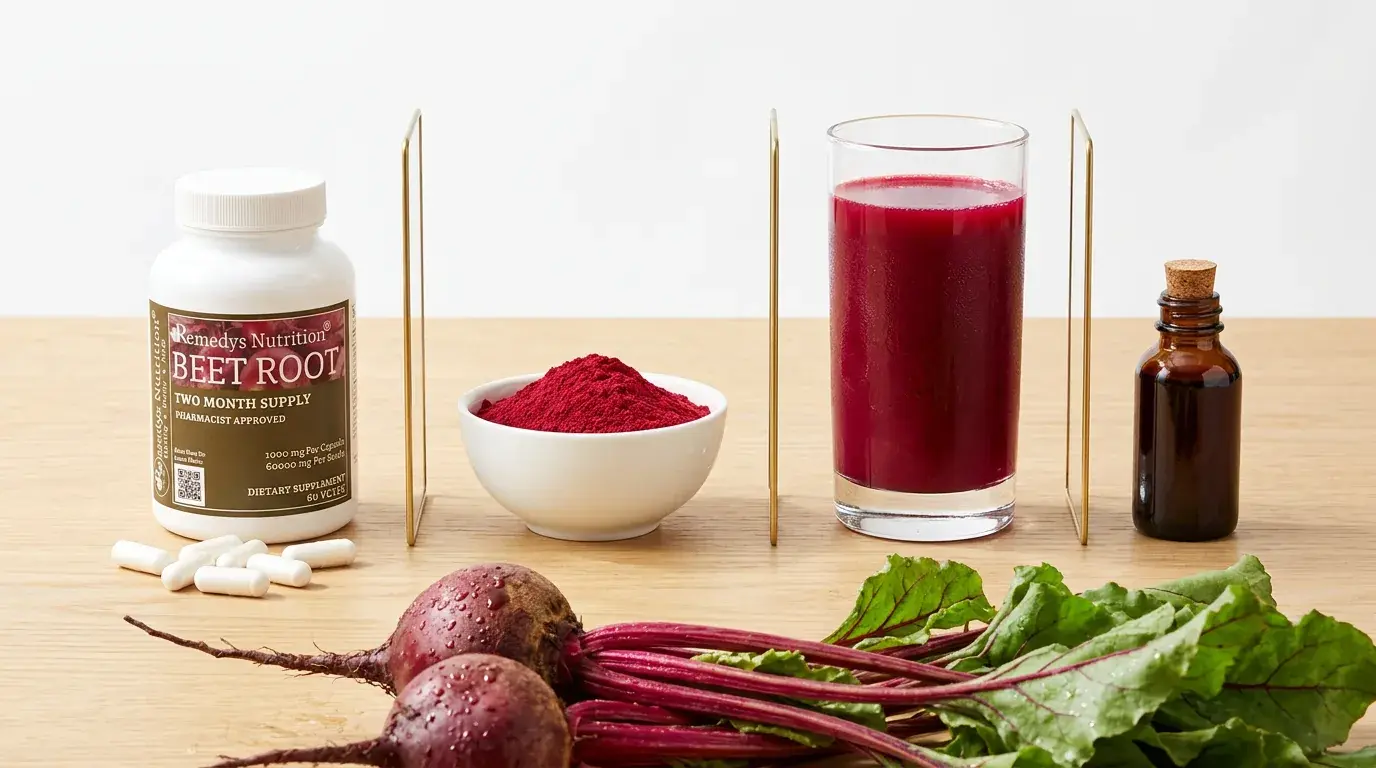
Beetroot Red E162 may be supplied in powder or liquid forms.
Powder Form
Powdered Beetroot Red E162 can offer advantages such as:
- Convenient storage
- Easy transportation
- Use in dry mixes
- Compatibility with powdered formulations
- Flexible dosage control
It may be suitable for powdered beverages, supplements, bakery mixes, and dry food systems.
Liquid Form
Liquid Beetroot Red E162 may be preferred for:
- Ready-to-drink beverages
- Syrups
- Sauces
- Liquid food systems
- Products requiring direct incorporation into water-based formulations
The best format depends on the manufacturer's production process and final application.
Why Is Beetroot Red E162 Popular?
Beetroot Red E162 is becoming increasingly popular because manufacturers are searching for color ingredients that combine natural origin with attractive visual performance.
Key reasons for its popularity include:
- Plant-derived source
- Vibrant red and pink shades
- Naturally occurring pigments
- Wide application potential
- Compatibility with clean-label product trends
- Availability in powder and liquid forms
- Interest in natural alternatives to synthetic colors
As the natural food color market continues to develop, beetroot-derived colors remain an important option for manufacturers seeking red and pink color solutions.
How to Choose a Beetroot Red E162 Supplier
When sourcing Beetroot Red E162 for commercial use, manufacturers should evaluate more than just color intensity.
Important factors may include:
Product Quality
Choose a supplier with appropriate quality control procedures and consistent raw material sourcing.
Color Strength
Different applications may require different color strengths. A suitable specification should match the intended product formulation.
Solubility and Dispersibility
The ingredient should be tested for compatibility with the intended production system.
Batch Consistency
Consistent color performance between production batches is important for maintaining finished product quality.
Technical Documentation
Depending on the application and market, manufacturers may request documents such as:
- Certificate of Analysis (COA)
- Technical Data Sheet (TDS)
- Safety Data Sheet (SDS/MSDS)
- Product specification
- Microbiological testing information
- Heavy metal testing information
- Allergen information
Regulatory Compliance
Manufacturers should confirm that the ingredient is suitable for use in their target market and intended food category.
Red Beet Powder E162 Specification
| Property | Specification |
|---|---|
| Color | Deep red/purple |
| Texture | Fine powder |
| Flavor | Earthy, slightly sweet |
| Odor | Characteristic beet aroma |
| Moisture Content | ≤ 5% |
| Particle Size | 100% pass through a 60-mesh sieve |
| Nutritional Content | - Dietary Fiber: ≥ 15g/100g |
| - Vitamin C: ≥ 10mg/100g | |
| - Potassium: ≥ 500mg/100g | |
| - Nitrate Content: ≥ 250mg/100g (may vary) | |
| Shelf Life | 24 months |
Your Trusted Red Beet Powder (E162) Manufacturing Partner-YANGGE BIOTECH
If you are looking for a reliable Red Beet Powder (E162) supplier for your next product, Yangge Biotech is your trusted manufacturing partner. We provide premium-quality Red Beet Powder (E162) for food, beverage, nutraceutical, pharmaceutical, cosmetic, and dietary supplement manufacturers worldwide.
Our advanced production facility manufactures high-quality Red Beet Powder (E162) using carefully selected red beets and advanced processing technology. Every batch undergoes strict quality control to ensure consistent color intensity, betanin content, purity, stability, and batch-to-batch performance, meeting the quality standards required by international manufacturers and brand owners.
As an experienced Red Beet Powder (E162) Manufacturer, Yangge Biotech offers flexible bulk packaging, OEM/ODM manufacturing, private labeling, customized specifications, and reliable global logistics. Whether you require standard Red Beet Powder (E162), customized natural color formulations, or specialized ingredient solutions, our experienced technical team can provide tailored support for your product development and manufacturing requirements.
Company Introduction And Certificates Obtained
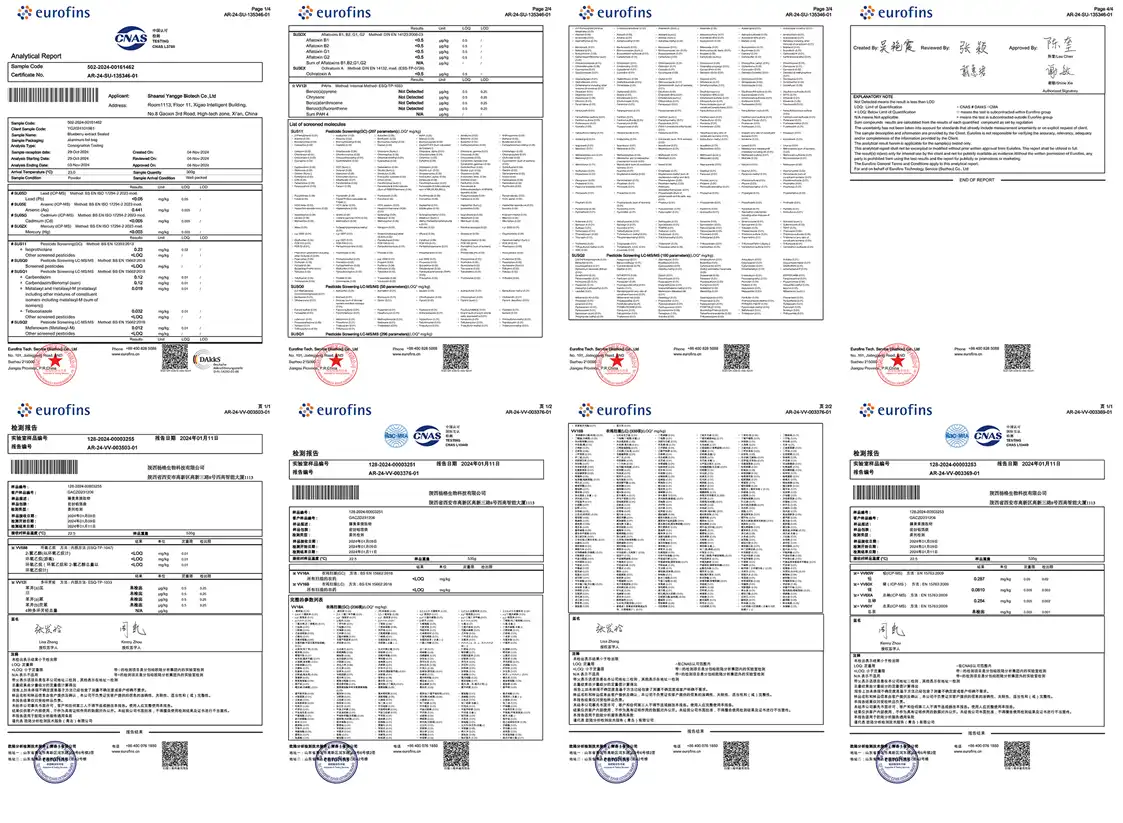
Third Part Test Result
We have established partnerships with prestigious third-party laboratories, including Eurofins and SGS. Upon customer request, we are capable of arranging reinspection of best beet root powder Manufacturer samples prior to shipment. Furthermore, we are fully equipped to coordinate testing with any laboratory designated by the customer to ensure their specific requirements are met.
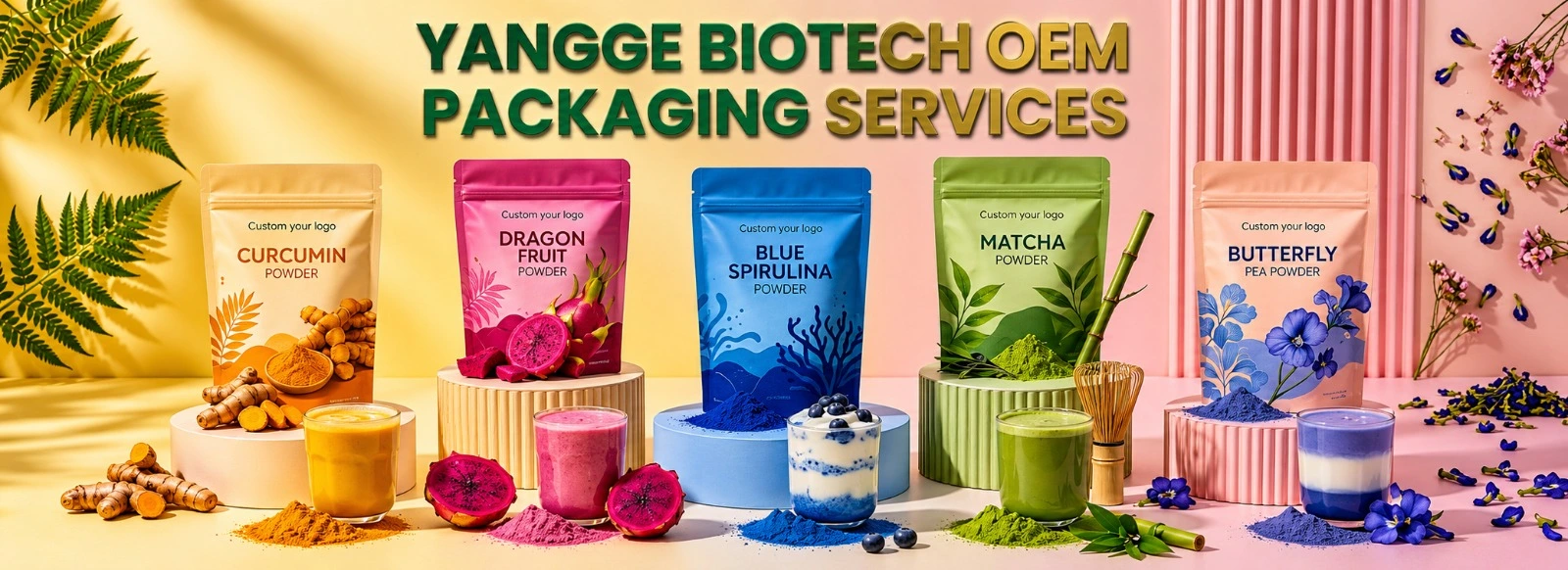
OEM Packaging Available
Yangge Biotech offers OEM packing services, private label manufacturing, and custom packaging solutions for businesses worldwide. We accept customer designs, custom logo printing, private label, white label, and OEM packaging tailored to your brand. Whether you need stand-up pouches, bottles, jars, sachets, or bulk packaging, we deliver high-quality, market-ready products with flexible MOQ and professional production standards.
Launch your brand with our one-stop OEM, private label, and custom packaging services. Contact us today for a customized solution. Email:info@yanggebiotech.com
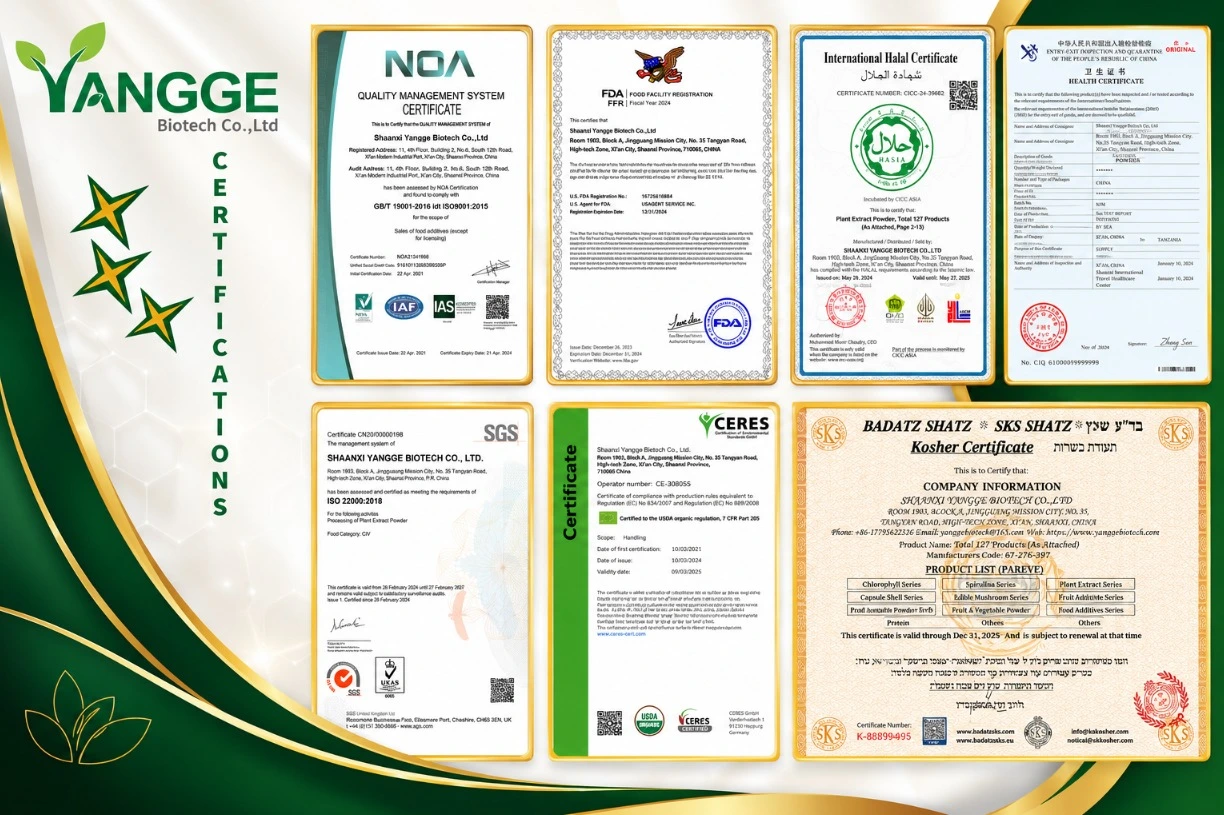
Yangge Biotech Certificates
At Yangge Biotech, quality is at the core of everything we do. We are committed to continuous manufacturing improvement and strict quality management. Our best beet root powder and manufactured ingredients are backed by internationally recognized certifications, including ISO, HACCP, GMP, Kosher, and other relevant industry certifications, demonstrating our commitment to quality, safety, and global compliance.
FAQ
※ Do you have factory?
Yes, we have a 1500m2 factory with modern equipment, welcome to visit our factory. When you have the details schedule, please kindly let me know in advance.
※ Do you have GMP?
All of our products are produced according to GMP standard, meanwhile, we have obtained ISO22000, Certificate and so on.
※ What is your delivery time?
As usual, our delivery time is about 1~3 days after receipt of payments, however, for some special products, please kindly confirm with your sales manager in advance.
※ How can you confirm your quality?
Each batch of the goods can be shipped to you after strict inspection, if you still doubt, we can arrange the Pre-shipment Samples to your testing or to your pointed third party for retesting in advance, successfully, then we will arrange the bulk goods to you immediately.
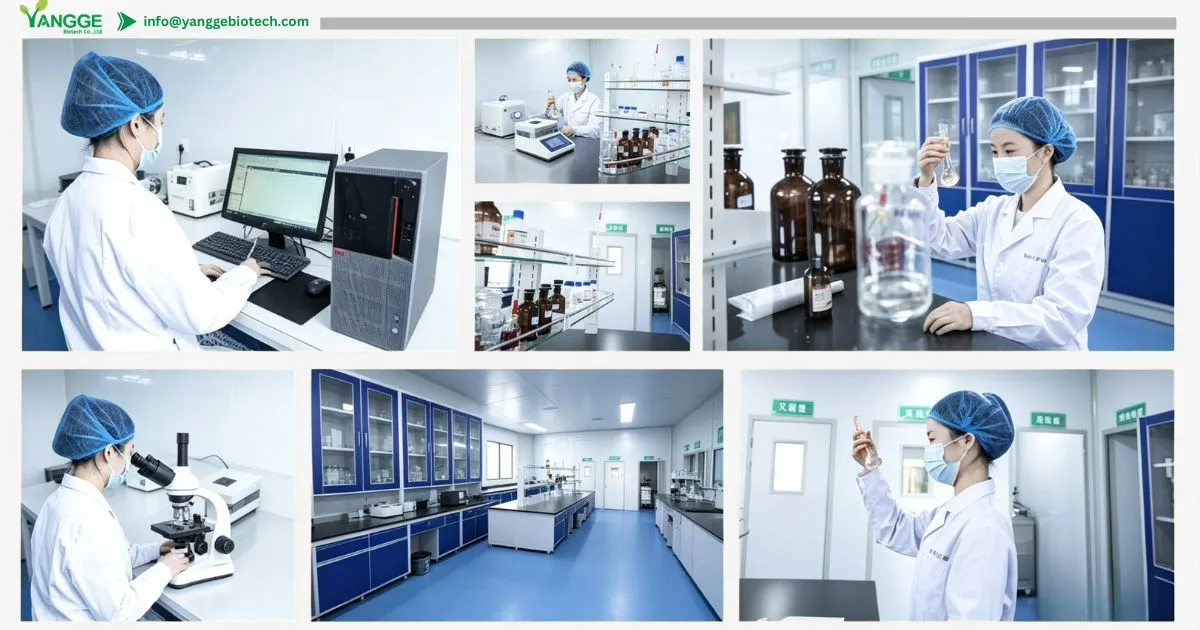
R&D Technological Process
Yangge Biotech's experienced R&D team continuously develops and optimizes production technologies to improve product quality, stability, and performance. Through advanced research, process optimization, rigorous testing, and strict quality control, Yangge Biotech ensures innovative, reliable, and high-quality ingredients that meet the evolving needs of the global food, beverage, nutraceutical, and cosmetic industries.
Conclusion
Beetroot Red E162 is a natural coloring ingredient derived from red beetroot (Beta vulgaris) and valued for its ability to create attractive pink, red, magenta, and purple-red shades. Its naturally occurring betalain pigments make it a popular choice for manufacturers developing products with plant-derived color ingredients.
Beetroot Red E162 has a wide range of potential applications, including beverages, confectionery, dairy products, frozen desserts, bakery fillings, nutritional supplements, powdered drink mixes, and plant-based foods.
Its natural origin, vibrant appearance, and versatility make it an important ingredient in the growing market for natural food colors. However, successful application depends on proper formulation and testing, especially when considering factors such as pH, temperature, light exposure, oxygen, processing conditions, and storage stability.
For manufacturers seeking a naturally sourced red color solution, Beetroot Red E162 offers a versatile option that can help create visually appealing products while supporting modern consumer interest in plant-based and naturally derived ingredients.
Ready to Source Premium Beetroot Red E162?
Partner with Yangge Biotech Co., Ltd. for high-quality Beetroot Red E162 backed by reliable manufacturing, strict quality control, and a stable global supply. Whether you're developing a new product or expanding your existing portfolio, our team is ready to provide the right ingredient solution for your business.
Contact Us to Request your 10–30 g free sample, competitive wholesale quotation, or complete technical documentation—including COA, TDS, MSDS, product specifications, and third-party test reports. With dependable bulk supply and approximately 500 kg of monthly inventory in our U.S. warehouse, we ensure fast and efficient delivery to customers worldwide.
Get in touch with our team today—we look forward to supporting your next successful product.
Email: info@yanggebiotech.com
References
- EFSA – Food Colours: E162 Beetroot Red, Betanin
- FAO/WHO JECFA – Beet Red (Beetroot Red), INS 162 Specifications
- Codex Alimentarius – GSFA Online: Beet Red (INS 162)
- FAO/WHO JECFA – Beet Red Monograph
- European Commission – Food Additives Database
- European Commission – EU Rules for Food Additives
- EFSA – Food Additives Safety and Regulation

Send Inquiry
Related Industry Knowledge
Recommended Products