can beetroot powder lower blood pressure?
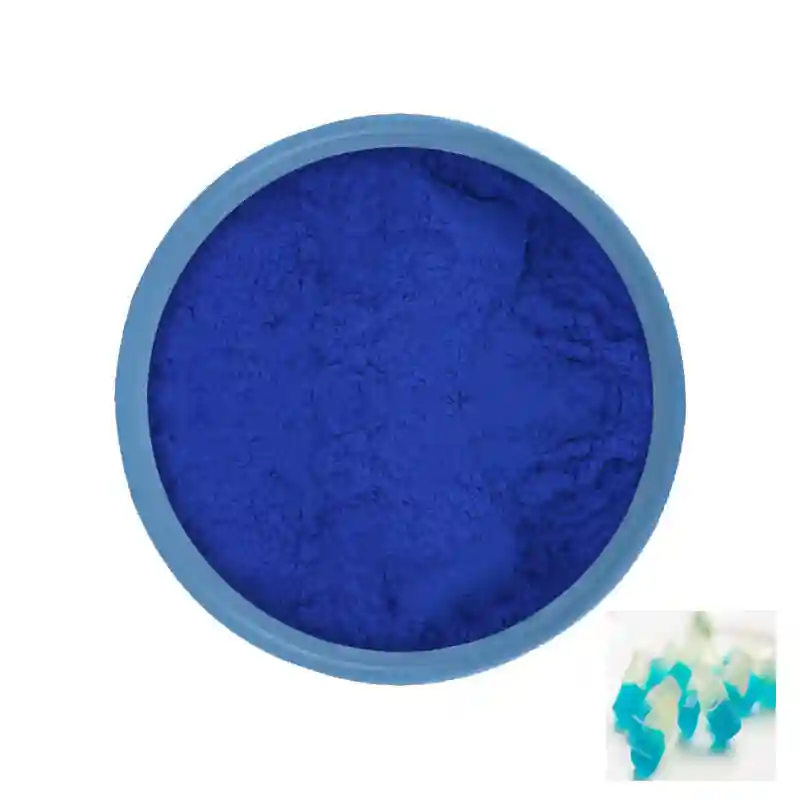
Yangge Biotech's Beetroot powder is a premium-quality natural food colorant derived from carefully selected beetroot using advanced extraction and purification technology. Rich in naturally occurring betanin pigments, this vibrant red color ingredient is widely used in beverages, confectionery, dairy products, bakery products, snacks, sauces, dietary supplements, functional foods, and cosmetic formulations. It is an ideal ingredient for manufacturers seeking a clean-label natural red color with excellent purity, stability, and formulation performance.
Beetroot product provides a meaningful amount of dietary nitrate. Research on beetroot juice has found that nitrate-rich beetroot products can produce modest reductions in systolic blood pressure, especially in people with hypertension. However, the evidence is stronger for nitrate-rich beetroot juice than for ordinary beetroot powder, because nitrate levels can vary considerably between beetroot products and processing methods. This article explains how beetroot may affect blood pressure, what the research actually shows, and what manufacturers and consumers should know about beetroot powder.
Looking for a reliable Beetroot powder supplier? Contact Yangge Biotech today to request product specifications, COA, samples, pricing, or OEM/ODM manufacturing solutions.
Email: info@yanggebiotech.com
What Is Beetroot Powder?
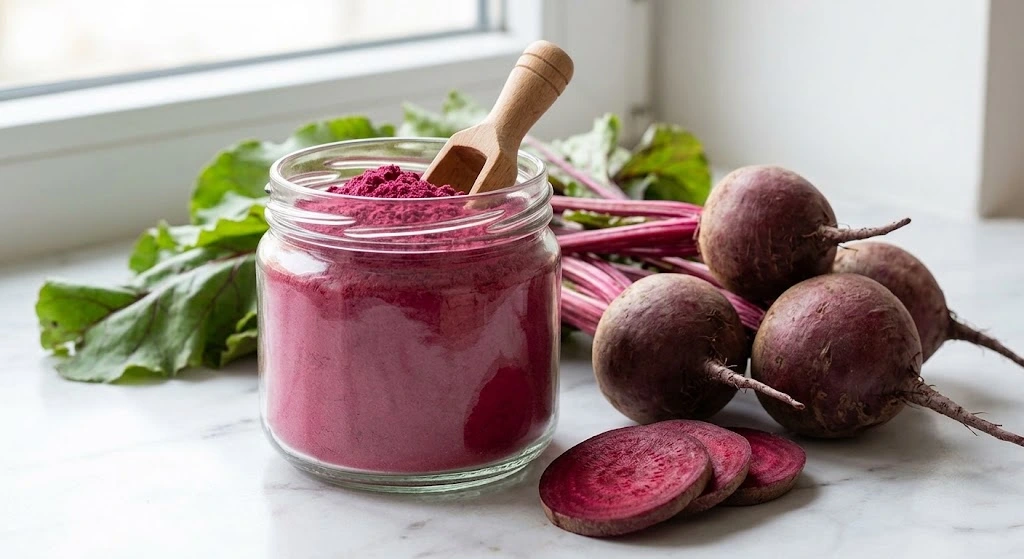
Beetroot powder is produced by drying and milling red beetroot (Beta vulgaris) into a fine powder. Depending on the manufacturing process, the finished ingredient may retain naturally occurring beetroot pigments, minerals, polyphenols, and varying amounts of nitrate.
It is commonly used in:
-
Smoothies and beverages
-
Functional drink mixes
-
Nutrition powders
-
Bakery products
-
Yogurt and smoothie bowls
-
Sauces and dressings
-
Confectionery
-
Natural food-coloring formulations
-
Dietary supplement formulations
One of its most recognizable characteristics is its naturally intense red-purple color, which comes primarily from betalain pigments.
For blood-pressure-related research, however, nitrate content is particularly important.
How Could Beetroot Help Lower Blood Pressure?
The proposed mechanism is primarily related to dietary nitrate.
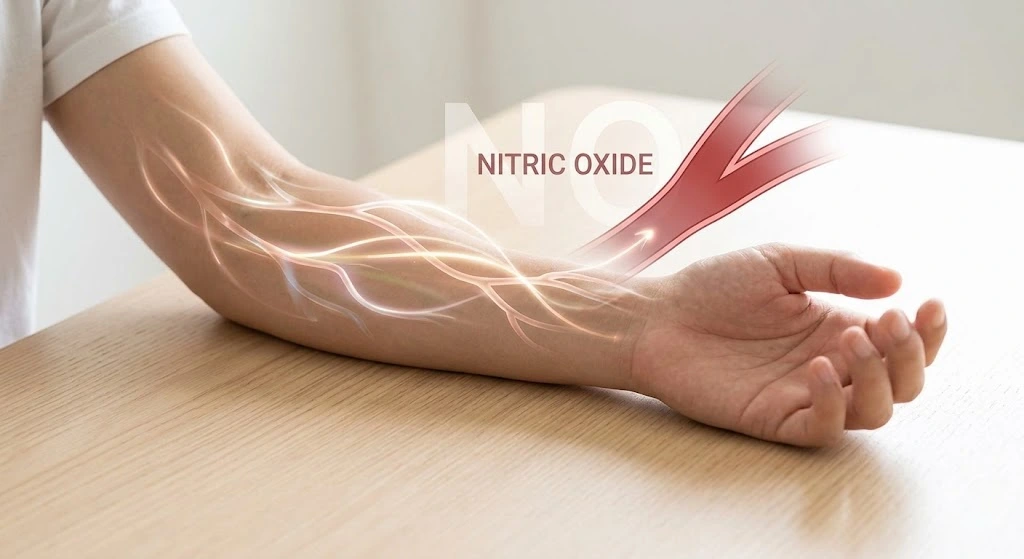
Beetroot naturally contains nitrate (NO₃⁻). After consumption, nitrate can be converted into nitrite (NO₂⁻), and subsequently into nitric oxide (NO). Nitric oxide plays an important role in vascular function because it can promote relaxation of blood vessels.
When blood vessels relax and widen, vascular resistance can decrease, which may contribute to lower blood pressure.
The pathway can be summarized as:
Dietary nitrate → nitrite → nitric oxide → blood-vessel relaxation → potentially lower blood pressure
Research has shown that nitrate rich beetroot consumption can increase circulating nitrate and nitrite levels and can produce reductions in blood pressure in some populations.
This is why beetroot has received considerable attention as a potential food-based strategy for supporting cardiovascular health.
What Does the Research Say?
1. Beetroot juice may reduce systolic blood pressure
Several systematic reviews and meta-analyses have reported reductions in blood pressure following beetroot juice consumption.
A 2022 systematic review and meta-analysis examined seven randomized controlled trials involving 218 people with hypertension. Beetroot juice interventions lasted between 3 and 60 days, with daily amounts ranging from 70 to 250 mL. The analysis found an average 4.95 mmHg reduction in systolic blood pressure, while the reduction in diastolic blood pressure was not statistically significant.
2. A larger 2024 meta-analysis found a similar effect
More recent evidence strengthens the possibility of a blood-pressure-lowering effect.
A 2024 systematic review and meta-analysis evaluated 11 randomized controlled trials involving 349 adults with hypertension. Researchers found that beetroot juice produced an average reduction of 5.31 mmHg in clinical systolic blood pressure compared with control treatments.
However, there was no significant effect on clinical diastolic blood pressure or 24-hour blood pressure measurements. The researchers also noted moderate-to-high variation among the studies and rated the certainty of evidence as low.
3. Earlier research also found modest reductions
A previous meta-analysis of 22 randomized trials involving more than 1,200 participants found that beetroot juice supplementation was associated with reductions of approximately 3.55 mmHg in systolic blood pressure and 1.32 mmHg in diastolic blood pressure compared with control groups.
The researchers also observed that longer interventions and higher beetroot juice amounts were sometimes associated with greater effects.
However, the studies differed substantially in their participants, doses, nitrate levels, and intervention periods, so the results should not be interpreted as a guaranteed response for every individual.

Could Beetroot Also Support Systolic Blood Pressure?
The current evidence suggests that the potential effect is particularly relevant to systolic blood pressure.
Systolic blood pressure is the upper number in a blood-pressure reading and represents the pressure in the arteries when the heart contracts.
For example:
120/80 mmHg
-
120 = systolic blood pressure
-
80 = diastolic blood pressure
The 2024 meta-analysis found a significant reduction in clinical systolic blood pressure but not clinical diastolic blood pressure among adults with hypertension.
How Much Beetroot Is Needed?
There is no universally established dose of ordinary beetroot powder for lowering blood pressure.
Clinical studies have used different forms and amounts of beetroot, including juice and nitrate-standardized preparations.
For example, the 2024 meta-analysis reported daily beetroot juice interventions providing approximately 200–800 mg of nitrate.
Another systematic review of hypertensive participants included beetroot juice interventions providing approximately 70–250 mL per day.
For a commercial beetroot powder, the appropriate serving size should instead be based on the product's:
-
Nitrate concentration
-
Manufacturing specifications
-
Intended application
-
Product purity
-
Recommended use level
-
Regulatory requirements
If a powder is marketed specifically for nitrate-related cardiovascular support, standardized nitrate content is especially relevant.
Can Beetroot Powder Be Part of a Heart-Healthy Diet?
Yes. Beetroot can be incorporated into an overall healthy eating pattern.
Instead of viewing beetroot powder as a standalone treatment, it is more appropriate to consider it as a nutrient-rich plant ingredient that may complement a heart-healthy lifestyle.
A cardiovascular-supportive diet generally emphasizes:
-
Vegetables and fruits
-
Whole grains
-
Legumes
-
Nuts and seeds
-
Appropriate sources of protein
-
Foods rich in dietary fiber
-
Lower intake of excessive sodium
-
Limited highly processed foods
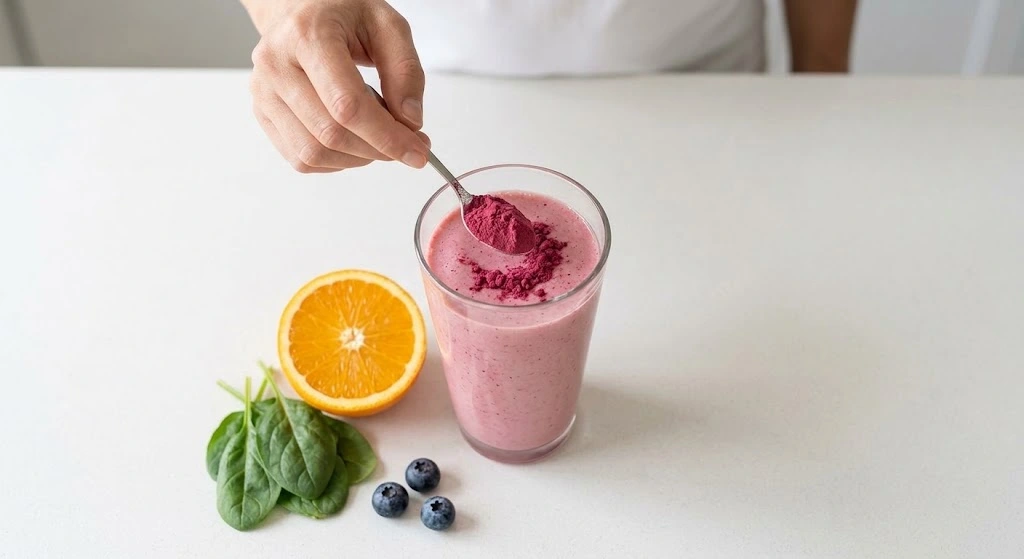
Beetroot powder can conveniently add beetroot-derived compounds and natural color to beverages, smoothies, nutrition powders, and other formulations.
Beetroot Powder as a Natural Food Ingredient
Beyond nutritional applications, beetroot powder is widely valued for its natural color.
Its red-purple appearance can be used in:
Beverages:
Smoothies, functional drinks, powdered beverages, juices, and wellness drinks.
Bakery:
Muffins, cakes, pancakes, cookies, and other baked products.
Dairy and Alternatives:
Yogurt, plant-based yogurt, smoothie bowls, and dessert formulations.
Confectionery:
Natural-color applications in selected confectionery products.
Sauces and Dressings:
Vinaigrettes, dips, sauces, and other products where a red or pink color is desired.
Nutritional Products:
Protein powders, superfood blends, functional powders, and dietary formulations.
This versatility makes beetroot powder attractive to manufacturers looking for a plant-based ingredient with natural color and nutritional positioning.
What Should Manufacturers Look for in Beetroot Powder?
If beetroot powder is intended for food, beverage, or functional-nutrition manufacturing, quality and consistency are important.
Manufacturers should consider:
1. Raw Material Quality
High-quality beetroot should be sourced from reliable agricultural suppliers and processed under controlled conditions.
2. Color Consistency
Consistent color is important when beetroot powder is used as a natural coloring ingredient.
3. Nitrate Content
If the product is being positioned around dietary nitrate, manufacturers should consider a specification for nitrate content rather than relying only on the generic term “beetroot powder.”
4. Microbiological Quality
The finished powder should meet appropriate microbiological specifications for its intended application.
5. Heavy Metals and Contaminants
Testing for relevant contaminants helps support product safety and quality control.
6. Stability
Packaging and storage conditions can influence color, flavor, and overall product stability.
7. Documentation
For B2B applications, buyers may request documentation such as:
-
Certificate of Analysis (CoA)
-
Technical Data Sheet (TDS)
-
Material Safety Data Sheet (MSDS), where applicable
-
Product specification
-
Microbiological testing
-
Heavy-metal testing
-
Allergen information
-
Stability information
-
Other third-party testing or quality documentation
Yangge Biotech Your Trusted Red Beet Powder (E162) Manufacturing Partner
If you are looking for a reliable Red Beet Powder (E162) supplier for your next product, Yangge Biotech is your trusted manufacturing partner. We provide premium-quality Red Beet Powder (E162) for food, beverage, nutraceutical, pharmaceutical, cosmetic, and dietary supplement manufacturers worldwide.
Our advanced production facility manufactures high-quality Red Beet Powder (E162) using carefully selected red beets and advanced processing technology. Every batch undergoes strict quality control to ensure consistent color intensity, betanin content, purity, stability, and batch-to-batch performance, meeting the quality standards required by international manufacturers and brand owners.
As an experienced Red Beet Powder (E162) Manufacturer, Yangge Biotech offers flexible bulk packaging, OEM/ODM manufacturing, private labeling, customized specifications, and reliable global logistics. Whether you require standard Red Beet Powder (E162), customized natural color formulations, or specialized ingredient solutions, our experienced technical team can provide tailored support for your product development and manufacturing requirements.
Company Introduction And Certificates Obtained
Third Part Test Result
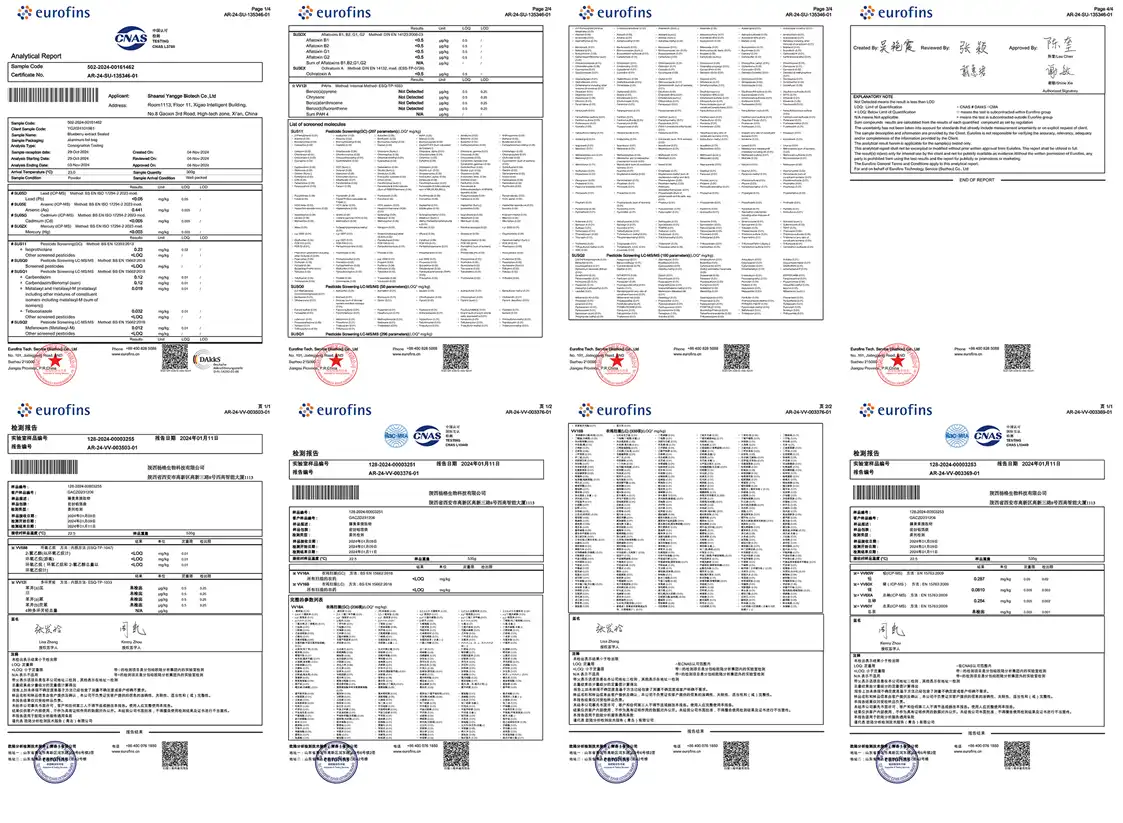
We have established partnerships with prestigious third-party laboratories, including Eurofins and SGS. Upon customer request, we are capable of arranging reinspection of best beet root powder Manufacturer samples prior to shipment. Furthermore, we are fully equipped to coordinate testing with any laboratory designated by the customer to ensure their specific requirements are met.
OEM Packaging Available
Yangge Biotech offers OEM packing services, private label manufacturing, and custom packaging solutions for businesses worldwide. We accept customer designs, custom logo printing, private label, white label, and OEM packaging tailored to your brand. Whether you need stand-up pouches, bottles, jars, sachets, or bulk packaging, we deliver high-quality, market-ready products with flexible MOQ and professional production standards.
Launch your brand with our one-stop OEM, private label, and custom packaging services. Contact us today for a customized solution. Email:info@yanggebiotech.com
Yangge Biotech Certificates
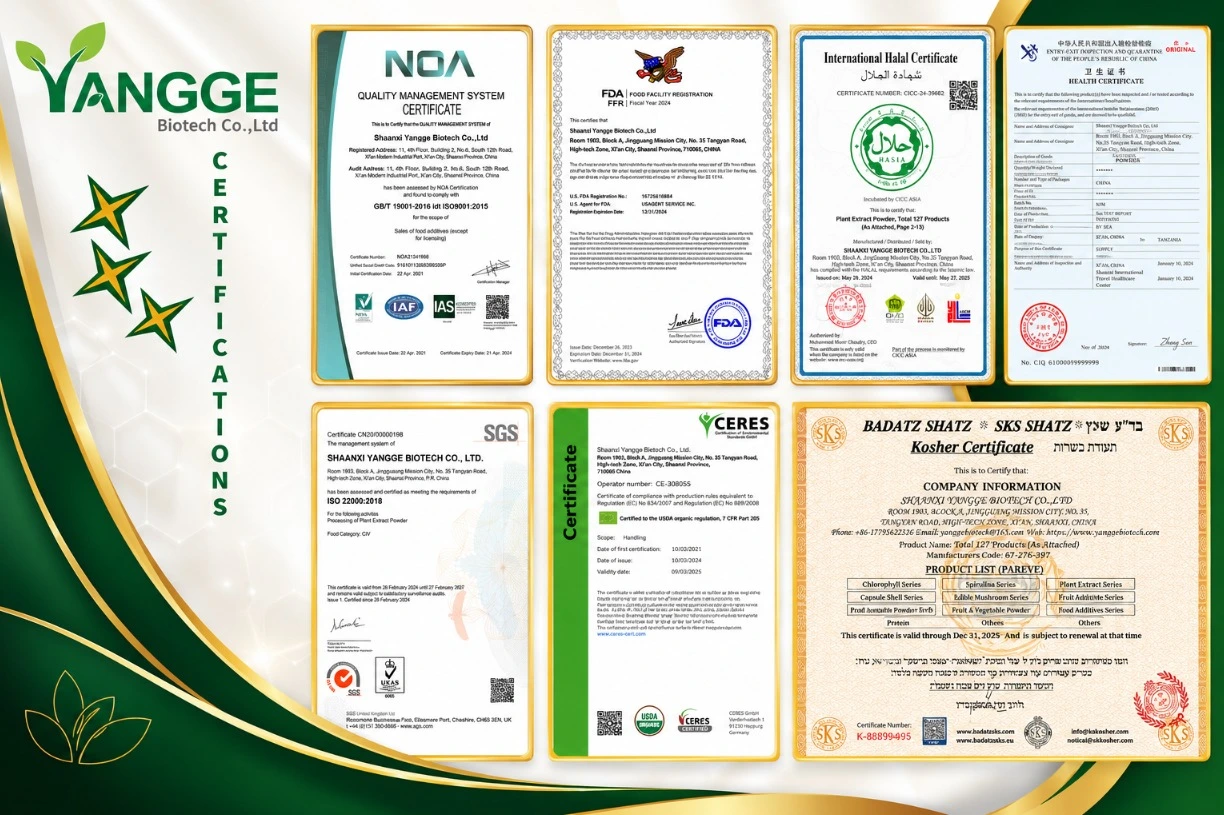
At Yangge Biotech, quality is at the core of everything we do. We are committed to continuous manufacturing improvement and strict quality management. Our best beet root powder and manufactured ingredients are backed by internationally recognized certifications, including ISO, HACCP, GMP, Kosher, and other relevant industry certifications, demonstrating our commitment to quality, safety, and global compliance.
FAQ
※ Do you have factory?
Yes, we have a 1500m2 factory with modern equipment, welcome to visit our factory. When you have the details schedule, please kindly let me know in advance.
※ Do you have GMP?
All of our products are produced according to GMP standard, meanwhile, we have obtained ISO22000, Certificate and so on.
※ What is your delivery time?
As usual, our delivery time is about 1~3 days after receipt of payments, however, for some special products, please kindly confirm with your sales manager in advance.
※ How can you confirm your quality?
Each batch of the goods can be shipped to you after strict inspection, if you still doubt, we can arrange the Pre-shipment Samples to your testing or to your pointed third party for retesting in advance, successfully, then we will arrange the bulk goods to you immediately.
R&D Technological Process
Yangge Biotech's experienced R&D team continuously develops and optimizes production technologies to improve product quality, stability, and performance. Through advanced research, process optimization, rigorous testing, and strict quality control, Yangge Biotech ensures innovative, reliable, and high-quality ingredients that meet the evolving needs of the global food, beverage, nutraceutical, and cosmetic industries.
Exhibitions
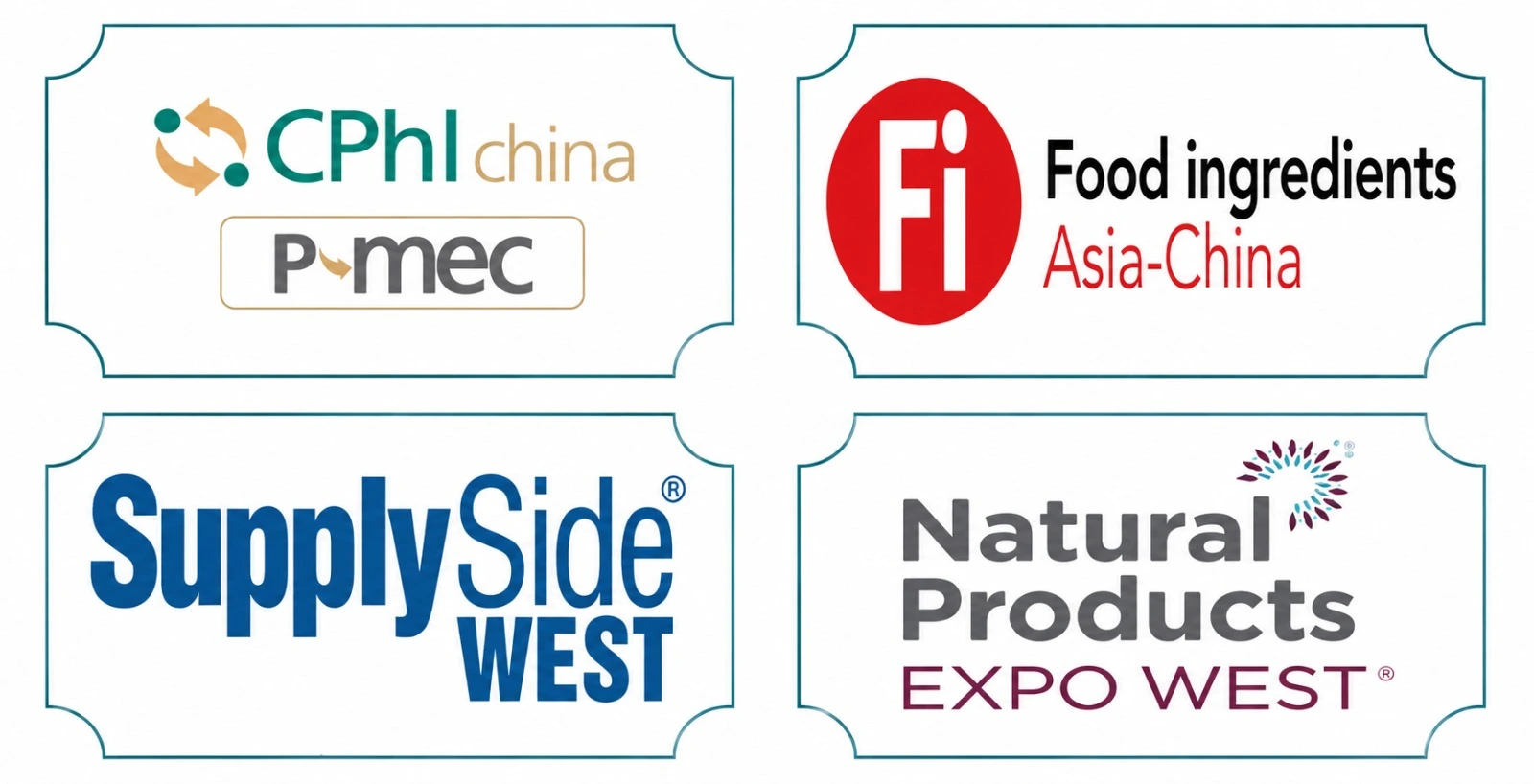
Yangge Biotech actively participates in leading international trade exhibitions, including CPhI, FIC, API China, Vitafoods, and SupplySide West, connecting with global partners, showcasing our latest products, and staying at the forefront of industry innovation.
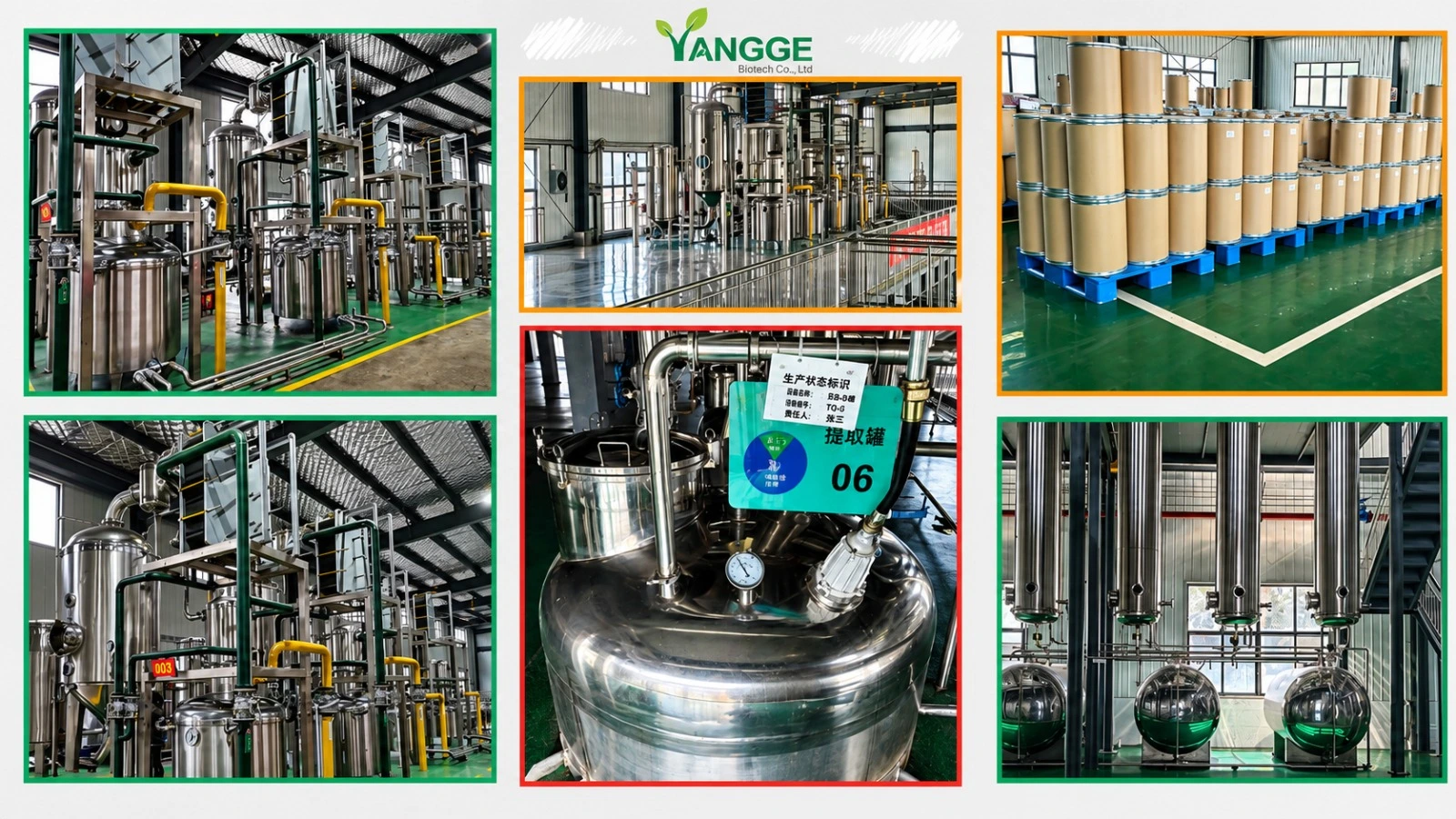
Yangge Biotech Factory
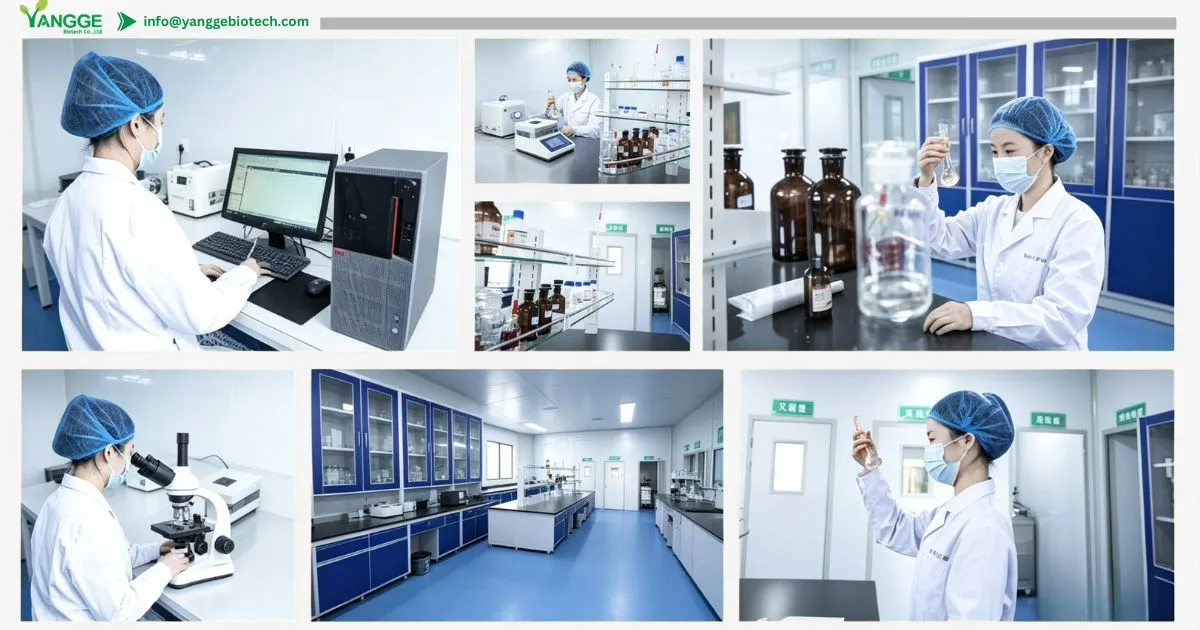
Yangge Biotech operates a modern manufacturing facility equipped with advanced production equipment and strict quality control systems. From raw material sourcing to production, testing, and packaging, every stage is carefully managed to ensure consistent quality, product safety, and compliance with international manufacturing standards.
- All goods are manufactured in GMP standard facilities.
- All goods are released after inspection by our independent laboratory or third party.
- All goods are transported by professional freight companies.
Conclusion
Can beetroot powder lower blood pressure? The evidence suggests it may, but the answer depends heavily on the product and its nitrate content.
Nitrate-rich beetroot products can increase nitric oxide availability and may promote blood-vessel relaxation. Clinical research, particularly studies of beetroot juice, has demonstrated modest reductions in systolic blood pressure, with recent meta-analysis evidence suggesting an average reduction of around 5 mmHg in adults with hypertension.
However, ordinary beetroot powder should not automatically be assumed to provide the same effect. Nitrate concentrations vary among products, and evidence specifically examining generic beetroot powder remains less extensive than the evidence for nitrate-rich beetroot juice.
For manufacturers, this distinction is particularly important. A high-quality beetroot powder should be evaluated not only for its natural color, purity, and overall quality, but also for consistent nitrate content when cardiovascular or functional-nutrition positioning is relevant.
Ultimately, beetroot powder is best considered a plant-based functional ingredient that may support cardiovascular health as part of an overall healthy diet, rather than a replacement for medical treatment for hypertension.
Ready To Source High Quality Red Beet Root Powder?
Partner with Yangge Biotech Co., Ltd. for high-quality best beet root powder backed by reliable manufacturing, strict quality control, and a stable global supply. Whether you're developing a new product or expanding your existing portfolio, our team is ready to provide the right ingredient solution for your business.
Contact Us to Request your 10–30 g free sample, competitive wholesale quotation, or complete technical documentation—including COA, TDS, MSDS, product specifications, and third-party test reports. With dependable bulk supply and approximately 500 kg of monthly inventory in our U.S. warehouse, we ensure fast and efficient delivery to customers worldwide.
Get in touch with our team today—we look forward to supporting your next successful product.
Email: info@yanggebiotech.com
Frequently Asked Questions
Does beetroot powder lower blood pressure?
It may. Research on nitrate-rich beetroot products, especially beetroot juice, suggests that they can modestly reduce systolic blood pressure in some people. Evidence specifically for ordinary beetroot powder is more limited and depends on its nitrate content. (PubMed)
How does beetroot affect blood pressure?
Beetroot contains dietary nitrate, which can be converted through the nitrate–nitrite–nitric oxide pathway. Nitric oxide can promote blood-vessel relaxation, potentially reducing vascular resistance and blood pressure.
Does beetroot lower systolic or diastolic blood pressure?
Current evidence is stronger for systolic blood pressure. Recent meta-analyses found significant reductions in systolic blood pressure but did not consistently find significant reductions in diastolic blood pressure. (PubMed)
Is beetroot powder as effective as beetroot juice?
Not necessarily. Most clinical studies have evaluated beetroot juice or standardized nitrate-rich products. Beetroot powders can differ substantially in nitrate concentration, so their effects cannot automatically be assumed to be identical.
How much beetroot powder should I take for blood pressure?
There is no universally established dose of ordinary beetroot powder for lowering blood pressure. Research has generally focused on specific nitrate doses rather than a standard gram amount of generic beetroot powder. Product use should follow the manufacturer's specification and, for therapeutic purposes, professional healthcare advice.
Can I take beetroot powder with blood pressure medicine?
Anyone taking antihypertensive medication should consult their healthcare professional before using concentrated beetroot or nitrate products specifically to lower blood pressure. Beetroot should not be used to replace prescribed medication.
Is beetroot powder good for the heart?
Beetroot contains dietary nitrate and other plant compounds that have been studied for cardiovascular effects. Research suggests potential benefits for vascular function and blood pressure, but more research is needed to establish long-term clinical outcomes.
References
- Grönroos, R., Eggertsen, R., Bernhardsson, S., & Praetorius Björk, M. (2024). Effects of beetroot juice on blood pressure in hypertension according to European Society of Hypertension Guidelines: A systematic review and meta-analysis. Nutrition, Metabolism and Cardiovascular Diseases, 34(10), 2240–2256.
- Benjamim, C. J. R., Porto, A. A., Valenti, V. E., et al. (2022). Nitrate Derived From Beetroot Juice Lowers Blood Pressure in Patients With Arterial Hypertension: A Systematic Review and Meta-Analysis. Frontiers in Nutrition, 9, 823039.
- Bahadoran, Z., Mirmiran, P., Kabir, A., Azizi, F., & Ghasemi, A. (2017). The nitrate-independent blood pressure-lowering effect of beetroot juice: A systematic review and meta-analysis. Advances in Nutrition, 8(6), 830–838.
- Kapil, V., Khambata, R. S., Robertson, A., Caulfield, M. J., & Ahluwalia, A. (2015). Dietary nitrate provides sustained blood pressure lowering in hypertensive patients: A randomized, phase 2, double-blind, placebo-controlled study. Hypertension, 65(2), 320–327.
- Ashor, A. W., Lara, J., & Siervo, M. (2017). Medium-term effects of dietary nitrate supplementation on systolic and diastolic blood pressure in adults: A systematic review and meta-analysis. Journal of Hypertension, 35(7), 1353–1359.
- Bondonno, C. P., et al. (2017). Influence of dietary nitrate food forms on nitrate metabolism and blood pressure in healthy normotensive adults.
- Bondonno, C. P., et al. (2021). Increasing nitrate-rich vegetable intake lowers ambulatory blood pressure in (pre)hypertensive middle-aged and older adults: A 12-week randomized controlled trial. The Journal of Nutrition.
- The dose-response effects of nitrate-rich beetroot ingestion on cardiovascular and endothelial function: A randomised controlled trial. (2026).
- Kapil, V., et al. (2015). Absence of an effect of high nitrate intake from beetroot juice on blood pressure in treated hypertensive individuals: A randomized controlled trial. The American Journal of Clinical Nutrition.

Send Inquiry
Related Industry Knowledge
Recommended Products