Unlock Clean Energy with Premium Matcha Powder
What is Matcha Powder?
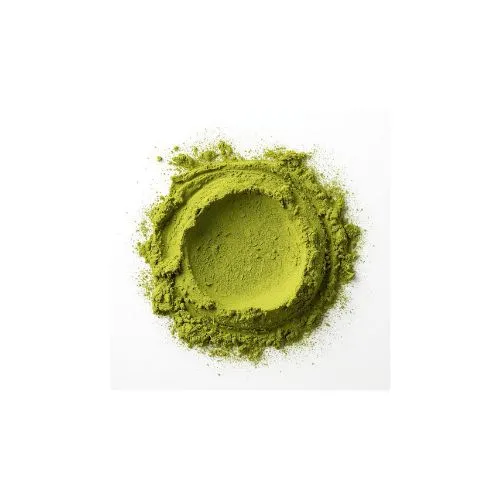
Matcha Powder is a finely ground powder of green tea specially processed from shade-grown tea leaves. Shade growing gives matcha its characteristic bright green color and strong umami flavor. Matcha is typically consumed suspended in hot water.
Is matcha the same as green tea?
Green tea is heated and dried to preserve freshness and color. Matcha is shade-grown, then ground into a fine powder that's fully suspended in water. One is steeped, the other consumed whole. Each reflects a different idea of precision, one through clarity, the other through immersion.
Matcha Powder Benefits, Uses, and How to Choose the Best One
Here are 7 possible health benefits and advantages of consuming matcha.
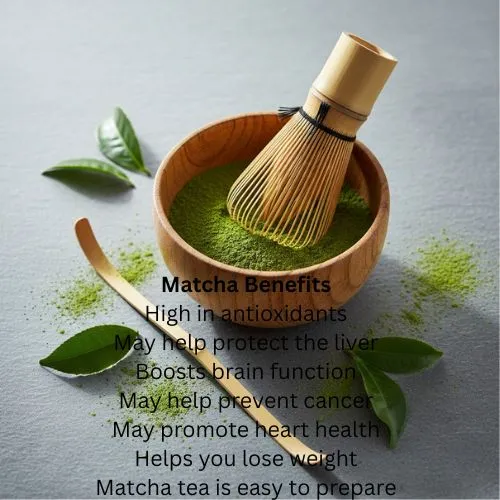
1.High in antioxidants
Antioxidants help stabilize harmful free radicals, compounds that can damage cells and cause chronic disease.
2. May help protect the liver
The liver is vital to health and plays a central role in flushing out toxins, metabolizing drugs, and processing nutrients.
3. Boosts brain function
Some participants consumed either matcha tea or a bar containing 4 grams of matcha, while the control group consumed a placebo tea or bar.
4. May help prevent cancer
Matcha contains some compounds that have been linked to cancer prevention in test tubes and animal studies.
5. May promote heart health
Green tea consumption has been linked with a lower risk of cardiovascular disease, compared with coffee, and some studies have suggested it might help lower the risk of high blood pressure and other complications in people with heart disease
6. Helps you lose weight
matcha powder can help with weight loss by boosting metabolism and fat burning, thanks to its high levels of catechins (especially EGCG) and caffeine, but it works best alongside a healthy diet and exercise, not as a magic bullet.
7. Matcha tea is easy to prepare
Green tea is well known for its ability to enhance weight loss and often features in weight loss supplements.
Side effects and risks
Despite its potential health benefits, it’s best to consume matcha in moderation.
Matcha contains more caffeine than green tea. While some caffeine may be beneficial, too much can have adverse effects, such as increasing the heart rate
Some scientists say that a high intake of catechins can cause liver problems, although they note that this is unlikely when people consume green tea as food or drink
Drinking matcha may also increase your exposure to contaminants like pesticides, chemicals, and even arsenic found in the soil where the tea plants are grown
Research has suggested that 338 mg of catechin and EGCG per day is safe for adults to consume. This is the amount in around 4 g of matcha, or 2 level teaspoons
However, the maximum tolerable intake of matcha powder may depend on the individual. To be safe, make sure to consume matcha in moderation.
Also, look for certified organic varieties to reduce the risk of impurities.
Your Daily Ritual Starts with Matcha Powder
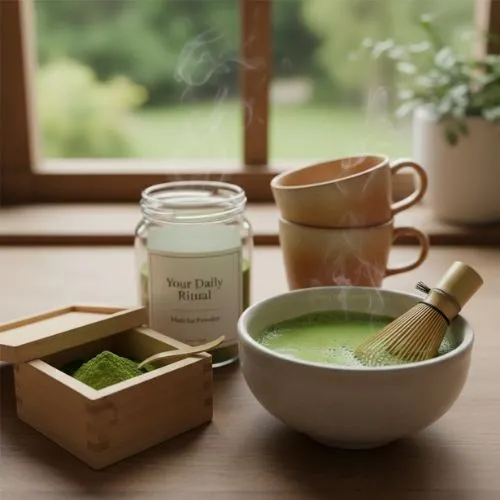
Matcha is simply green tea leaves that have been ground into a fine power. It has a fresh, grassy flavor. I lived in Japan in 1996 teaching English. My time in Japan started with a few months of homestays with amazing host families. They took me to several traditional tea ceremonies. Drinking tea, in general, is a way to spend quality time with friends and family, as well as a way to make a guest feel welcome. A Japanese tea ceremony is a formal opportunity for a guest to enjoy a host’s hospitality in a relaxed environment, out of the fray of a typical busy day. This tradition can be instilled on a regular day, to carve out a few minutes of sacred and delicious time.
In addition to being a delightful sensory experience and providing a boost of energy, matcha has health benefits. It is rich in antioxidants. We hear that all the time on food labels, but what does that really mean? Some of the metabolic systems in our body create free radicals. Simply put, many of our body systems are dependent on oxygen. Different metabolic processes in our body take an oxygen molecule that has two oxygen bonded together and split them into single oxygen molecules. This splitting is a normal process in the body. We have “antioxidants” in our body to clean up this process. But sometimes we have more free oxygen molecules than antioxidants, which can result in cell damage and inflammation. Matcha offers the body additional antioxidants to help protect cells from damage and reduce inflammation.
Conclusion
Understanding what matcha allows you to appreciate its rich heritage, unique preparation, and mindful benefits. Whether you’re sipping ceremonial grade matcha or blending it into your favorite recipes, choosing authentic Japanese matcha ensures a true connection to this centuries-old tradition. For those seeking quality and authenticity, Ujicha Matcha remains a trusted source for premium matcha powder, supporting your daily rituals with expertise and care.
It's time to ditch the bitterness and embrace a ritual that feels as good as it tastes. Meet your new favorite matcha: smooth, bright, and undeniably clean. Contact our dedicated team at info@yanggebiotech.com to discuss custom formulations, request product samples, and explore how our Matcha Powder supplier services can enhance your competitive position in the dynamic sports nutrition marketplace.
FAQ
Q: Can we get some samples to test before purchasing?
A: Of course, we can provide free samples of 20 to 100 grams, but the shipping cost is at the customer's expense. The shipping cost can be deducted from the next order, or the samples can be sent through your courier account.
Q: Do your products have relevant certifications?
A: Yes, our products are certified for HALAL, ISO, HACCP, Kosher, and other certifications.
Q: What is the minimum order quantity (MOQ)?
A: Small batches of samples can be customized according to your requirements.
Q: Do you offer OEM and ODM services? Can the formula be customized based on our own?
A: Of course, we provide ODM and OEM services to many customers. Our product range includes softgels, capsules, tablets, sachets, granules, and private label services. Simply contact us and let us know your requirements. Our experienced R&D team can also develop new products with specific formulas.
Please contact us to design your own branded products.
Q: How do you handle quality complaints?
A: First, we have a comprehensive quality control SOP. We provide authoritative third-party inspection reports for almost all products before shipment to minimize the possibility of quality issues. Second, we have a comprehensive return and exchange procedure. If there is a genuine quality dispute, we will strictly follow the SOP.
Q: How do you ship? How long does delivery take?
A: For small orders, we typically use DHL, UPS, EMS, FedEx, or TNT. Delivery typically takes 3-7 days. We also offer air and sea freight services. We have a strong freight forwarding team and can provide you with a one-stop service, including DDP and DDU.
Q: What are your payment terms?
A: 100% prepayment, payable by T/T, Western Union, MoneyGram, or PayPal.
Q: What is the shelf life of your products?
A: 2 years with proper storage.
Q: Is the packaging environmentally friendly?
A: We attach great importance to environmental protection and are constantly improving our product packaging. Some products are packaged in recyclable paper. Packaging materials are carefully selected to ensure product safety during transportation and storage, and to minimize environmental impact. We are committed to achieving a balance between environmental friendliness and practicality in our product packaging, and to contributing to sustainable development.
References:
1. Chen, L., et al. "Comparative Analysis of Tea Polyphenol Content in Regional Matcha Varieties." Journal of Food Science and Technology, 2023.
2. Yamamoto, K., and Liu, H. "Processing Methods and Their Impact on Matcha Quality Parameters." International Tea Research Quarterly, 2022.
3. Rodriguez, M., et al. "Global Supply Chain Analysis of Premium Green Tea Products." Food Industry Economics Review, 2023.
4. Thompson, R., and Wang, J. "Antioxidant Activity Comparison in Processed Tea Powders from Different Geographic Origins." Nutritional Science International, 2022.
5. European Food Safety Authority. "Safety Assessment of Tea-Based Food Ingredients: Processing and Quality Standards." EFSA Technical Report, 2023.
6. International Organization for Standardization. "Quality Management Systems for Tea Processing Facilities: Global Implementation Guidelines." ISO Technical Standards, 2022.