Oat Beta Glucan for Cholesterol Reduction FDA Claim
Yangge Biotech's supplies Oat Beta Glucan Powder a premium-quality functional ingredient produced from carefully selected oats using advanced extraction and purification technology. Rich in naturally occurring beta-glucans, this highly soluble dietary fiber is widely used in dietary supplements, functional foods, beverages, sports nutrition, dairy alternatives, bakery products, and wellness formulations. It is an ideal ingredient for manufacturers developing products that support heart health, digestive wellness, immune function, and healthy cholesterol management.
What Is Oat Beta-glucan Powder?
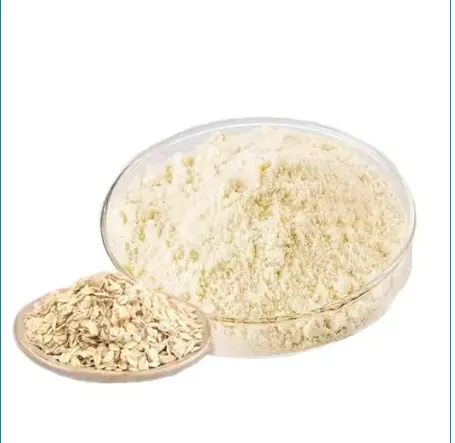
Oat beta-glucan powder is a soluble fiber derived from the cell walls of oats. Beta-glucan is a type of polysaccharide that has been shown to have various health benefits, including improving cholesterol levels, boosting the immune system, and promoting healthy digestion. Oat beta-glucan powder is a dietary supplement, that can be easily added to a variety of foods and beverages, to increase your daily intake of this beneficial fiber. It is gluten-free and non-GMO, making it a suitable option for people with gluten sensitivities, allergies, or vegetarians. This versatile powder can be used in smoothies, oatmeal, baked goods, or just about any recipe that benefits from a nutritional boost.
What Is The Fda Claim For Oat Beta Glucan And Cholesterol?
The Legal Basis Behind the Health Claim
The FDA has approved a health claim for oat beta-glucan, which is written in 21 CFR 101.81. It is one of only a few soluble-fiber claims that food labels can make without needing a separate qualified health claim petition. As long as the diet is low in saturated fat and cholesterol and has enough oat beta-glucan soluble fiber, this rule lets companies say that it may lower the chance of coronary heart disease. This is a better legal claim and customer trust statement because it comes from the FDA instead of a qualified or structure-function statement. This is exactly why oat milk brands and heart-health product lines go after it so hard when they need to find Oat Beta Glucan.
|
FDA Requirement (21 CFR 101.81) |
Detail |
|
Minimum daily intake for claim eligibility |
3 g oat beta-glucan soluble fiber per day |
|
Minimum content per serving |
≥0.75 g beta-glucan soluble fiber per RACC, across at least 4 servings/day |
|
Fat threshold |
Low fat: ≤3 g total fat per serving |
|
Saturated fat threshold |
≤1 g saturated fat per serving |
|
Cholesterol threshold |
≤20 mg cholesterol per serving |
|
Qualifying source ingredients |
Oat bran, rolled oats, whole oat flour, oat beta-glucan concentrate |
Why Yangge's Oat Beta Glucan Powder Is Built for FDA Claim Compliance
High Molecular Weight Retention as a Formulation Advantage
Molecular weight is the most important factor that distinguishes an oat beta-glucan ingredient that works well in clinical studies from one that doesn't. This is because higher molecular weight beta-glucan causes greater intestinal viscosity, and viscosity is what lowers cholesterol. Yangge Biotech extracts Oat Beta Glucan in a way that keeps its high molecular weight. This way of doing things doesn't break it down through rough milling, extrusion, or enzyme exposure, which is a common mistake made by cheaper suppliers whose finished powder looks good on paper but doesn't work well in the gut. This keeping of molecular weight is the main scientific reason behind Yangge's stance for proving claims about cholesterol.
Clinically Supported Cholesterol-Lowering Performance
In addition to the numbers given, Yangge's Oat Beta Glucan is backed by more clinical research that shows that people with normal or high cholesterol levels can lower their total and LDL cholesterol by about 5 to 10 percent if they eat at least 3 grams of oat beta-glucan soluble fiber every day. Because of this performance profile, formulators can confidently build products around Oat Beta Glucan, knowing that the ingredient, when dosed correctly, will support the claims a brand wants to make on the label. This is better than relying on general fiber positioning that can't be linked to a specific, regulator-recognized outcome.
Solubility and Flavor Neutrality for Sensitive Applications
For companies that make oat milk and meal replacements, an ingredient's useful cholesterol benefit doesn't matter much if it changes the texture of the food, makes it taste bad, or makes people noticeably grittiness. Yangge's Oat Beta Glucan is designed to dissolve easily in water and have a neutral, clean flavor. This means that it can be used in dairy-free drinks, protein shakes, and other functional drinks without adding the chalky texture or oat-forward aftertaste that lower-grade beta-glucan powders often do. This better solubility is also important for cosmetics for sensitive skin, where a well-known beta-glucan that has been processed cleanly is best for barrier-support formulations that go on top of the skin.
|
Yangge Oat Beta Glucan Specification |
Detail |
|
Source |
Oats (Avena sativa) |
|
Available formats |
Standard-grade oat beta-glucan powder and 70%-80% concentrate |
|
Appearance |
Off-white fine powder |
|
Molecular weight |
Processed to retain high molecular weight for optimal gut viscosity |
|
Structure |
Water-soluble (1,3/1,4)-linked beta-D-glucan |
|
Compliance |
Non-GMO, non-irradiated, non-allergen; EU PAH4, benzopyrene ≤10 ppb |
|
Certifications |
ISO, HACCP, Kosher, Halal |
|
Third-party testing |
Available via Eurofins and SGS |
|
Shelf life |
24 months, sealed and light-protected |
Oat Beta Glucan Benefits In Reducing Cholesterol
Increasing Intestinal Viscosity
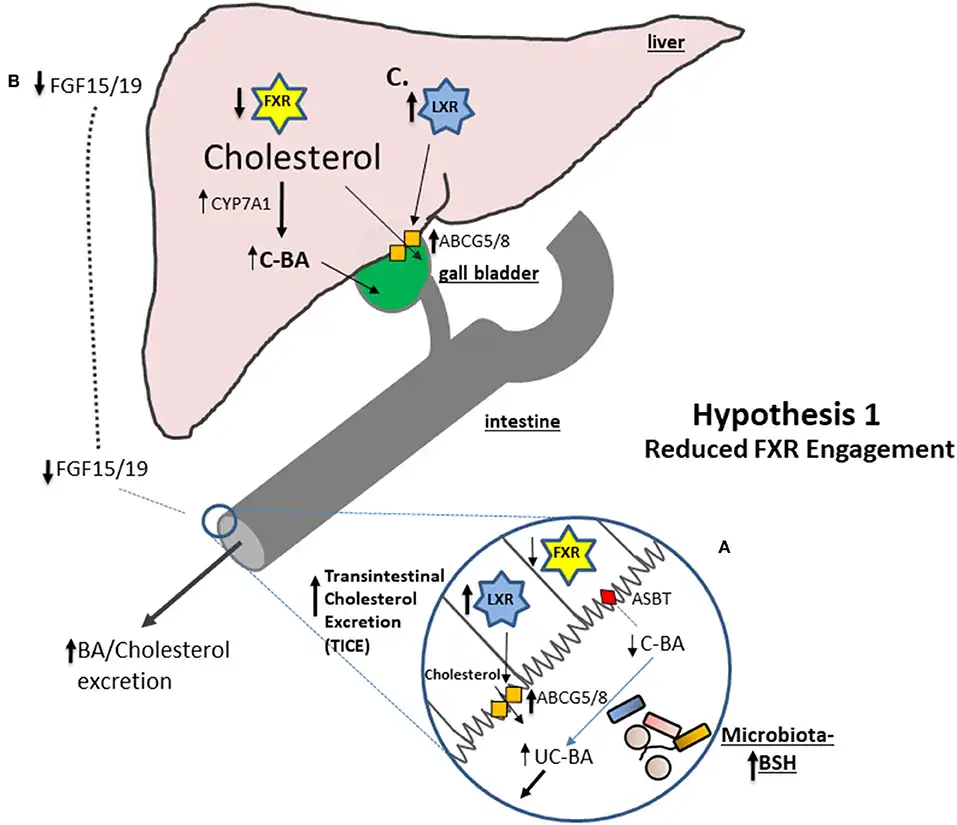
In order for oat beta-glucan to lower cholesterol, its long polysaccharide chains break in the digestive system and make a gel-like matrix. This matrix hardens the contents of the small intestine, which slows down the moving and mixing of digesta. This higher viscosity is the physical basis for almost all of the ingredient's cholesterol-lowering benefits. This is also why molecular weight and solubility are seen as the two most important quality indicators for any Oat Beta Glucan that is meant to lower cholesterol rather than add fiber to products in general.
Binding Bile Acids and Forcing Cholesterol Utilization
Oat beta-glucan links to bile acids in the small intestine, stopping them from being reabsorbed into the bloodstream and helping them leave the body through the digestive system. Because the liver has to keep making new bile acids to replace the ones that are lost, it uses cholesterol in the blood as a raw material. This means that cholesterol is pulled out of the bloodstream so that bile acid production can continue. One of the most common ways that the clinical literature backs up the FDA's health claim for oat beta-glucan is this bile acid binding mechanism.
Reducing Cholesterol Absorption and Supporting Metabolic Pathways
Along with binding bile acid, the thick gel that oat beta-glucan makes seems to physically stop cholesterol from food from being taken across the gut wall. It also seems to change the enzyme activity in the liver that makes cholesterol and bile acid. Some research suggests that the overall effect of eating oat beta-glucan on lowering cholesterol may be due to higher activity of CYP7A1, an enzyme that slows down the process of turning cholesterol into bile acids. When taken as directed, these processes explain why an oat beta glucan supplement can actually lower LDL and total cholesterol levels, not just a small change that isn't statistically significant.
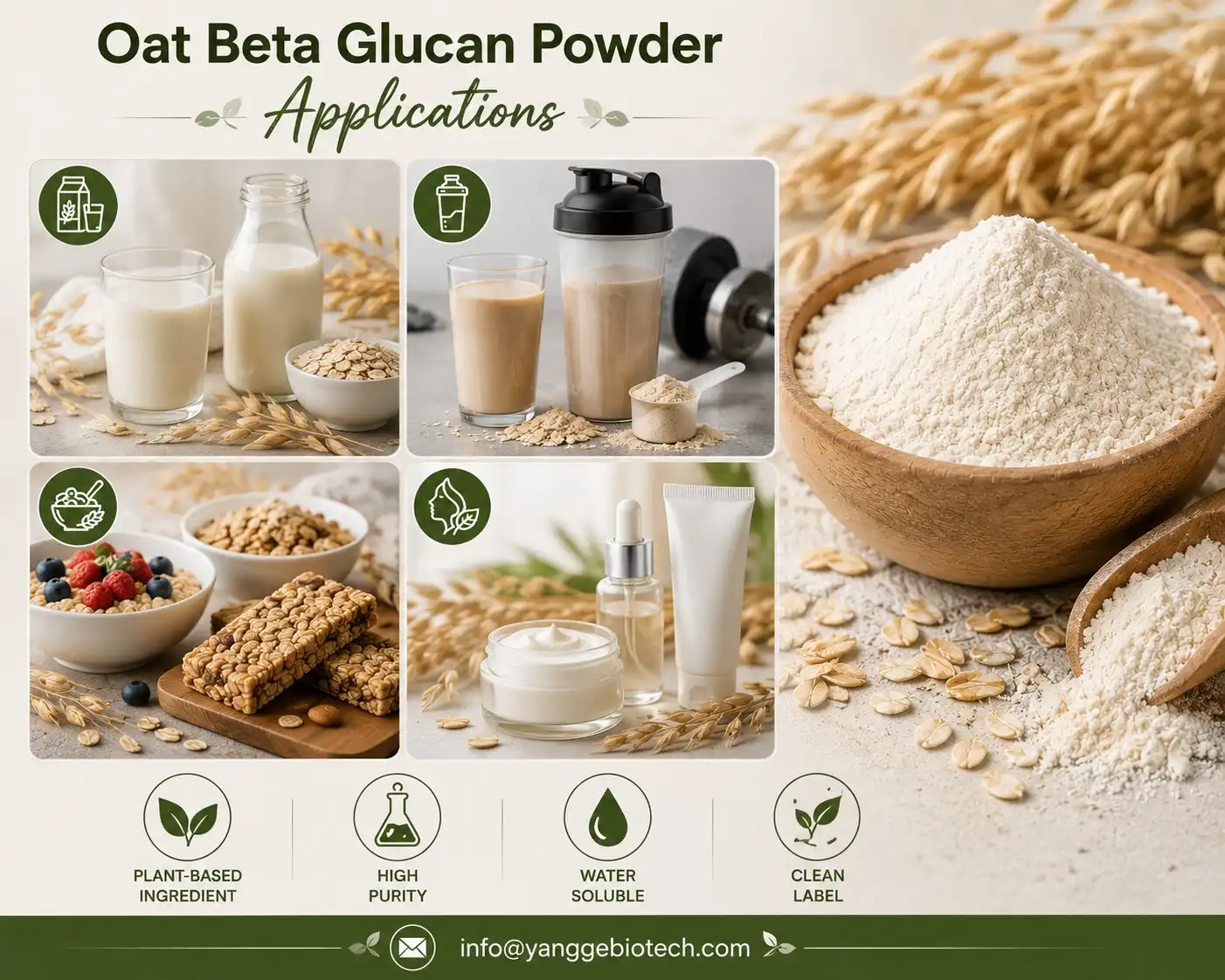
Oat Beta Glucan Powder Applications
Beverage and Oat Milk Applications
The people who make oat milk have to deal with a unique problem: they have to make sure that each serving has the right amount of beta-glucan while still having the smooth, creamy texture that people expect from a dairy-free drink. Yangge's Oat Beta Glucan is made to dissolve easily in water, so it can be added to oat milk base recipes without causing sedimentation or a grainy texture that lower-solubility beta-glucan ingredients can. This is a key differentiator for beverage brands that want to make functional claims while also offering a premium sensory profile that encourages repeat purchases.
Meal Replacement and Satiety-Focused Formats
In weight-management shakes and meal replacement powders, concentrated Oat Beta Glucan does two things: it helps meet the FDA's cholesterol claim threshold and supports the gel-forming satiety mechanism, which makes people feel fuller for longer after eating. Formulators usually choose the 70–80% concentrate in these forms because it delivers a clinically meaningful beta-glucan dose in a realistic single-serving powder volume. This avoids the need for bulky, difficult-to-mix formulas that lower-concentration oat fiber ingredients would require.
Functional Bars, Cereals, and Fortified Foods
Some of the most well-known formats for the FDA oat beta-glucan claim are still breakfast cereals, granola, and functional bars. This is mostly because these formats allow brands to mix multiple qualified amounts into a regular eating pattern without asking customers to make big changes to how they eat. When processed normally, Yangge's Oat Beta Glucan doesn't lose much of its molecular weight when added to dry-mix or baked goods. This helps brands keep the physiological viscosity that the finished product needs to have in order to support the cholesterol-lowering claim once it gets to the consumer's digestive tract.
Topical and Sensitive-Skin Applications
The well-known, high-purity Oat Beta Glucan that is used in heart-health products is also being asked for more and more by sensitive-skin cosmetic brands that are making barrier-repair creams and soothing formulas. The film-forming and moisture-retention properties of beta-glucan support product claims about skin comfort and hydration. This crossing demand is part of a larger trend of customers in the pharmaceutical and cosmetics industries looking for ingredient providers who can show molecular weight, purity, and testing history with the same level of detail that is expected in the food and supplement industries.
Third-Party Test Report
Yangge Biotech performs third-party testing for every batch of Oat Beta Glucan Powder to guarantee product safety, purity, and consistency. Independent laboratories verify:
· Active ingredient content
· Heavy metals
· Pesticide residues
· Microbiological safety
· Residual solvents
· Product stability
· Quality compliance
This ensures customers receive reliable ingredients suitable for global markets and various industrial applications.
R&D Capacity
Yangge Biotech invests continuously in advanced research and development to improve ingredient quality and application performance. Our experienced R&D team develops customized Oat Beta Glucan Powder formulations with enhanced stability, bioavailability, and compatibility for supplements, beverages, functional foods, and cosmetic products. We also provide technical support for formulation optimization and new product development.

Certificates
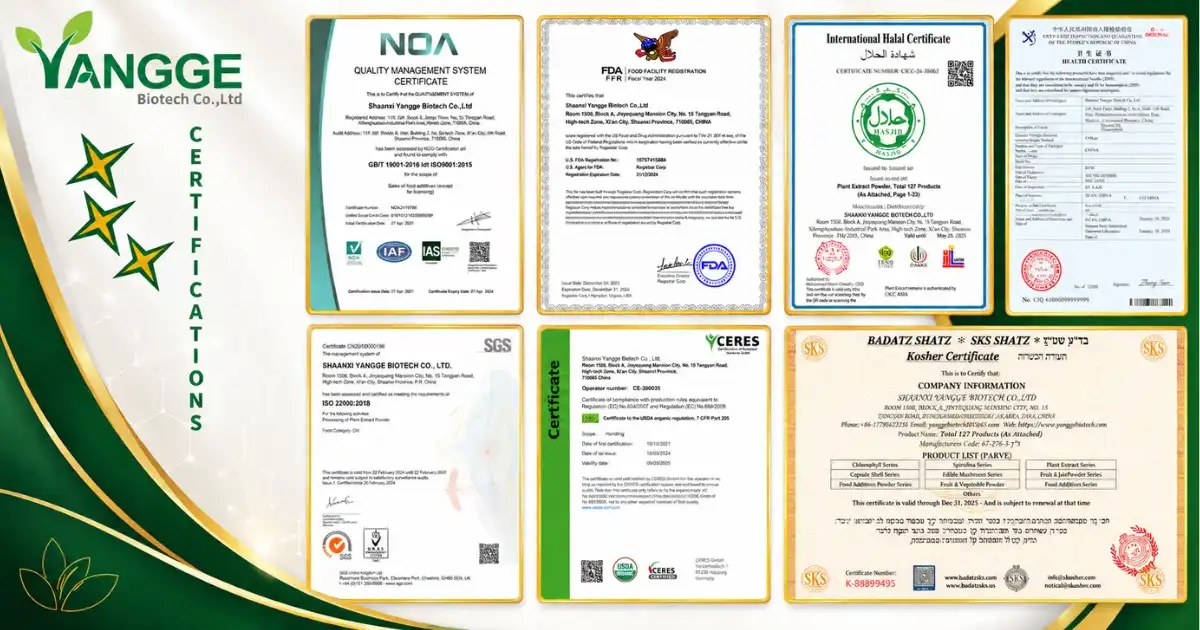
Yangge Biotech follows internationally recognized quality management systems and manufacturing standards. Depending on customer requirements and production facilities, products can be supplied with documentation such as:
· ISO Certification
· HACCP Certification
· GMP Manufacturing Standards
· Halal Certification
· Kosher Certification
· FDA Registration (where applicable)
· Third-Party Test Reports
These certifications help ensure product quality, safety, and regulatory compliance for international markets.
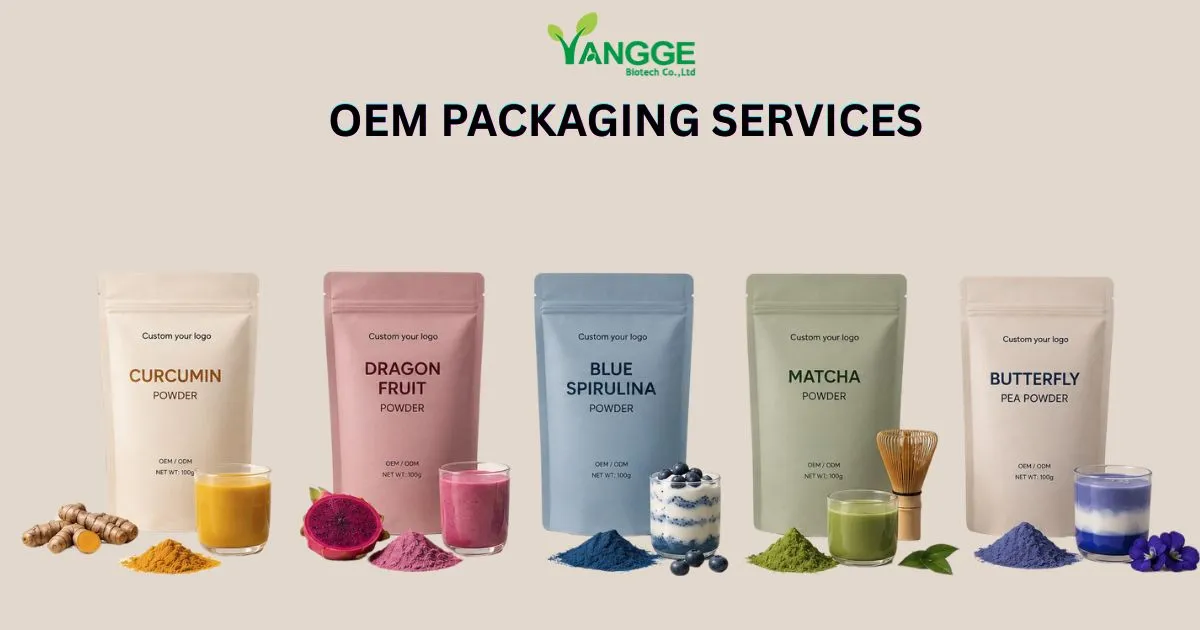
OEM Packing
Yangge Biotech offers comprehensive OEM and private label packaging solutions to meet different market requirements.
Available options include:
· 100 g bags
· 250 g bags
· 500 g bags
· 1 kg aluminum foil bags
· 5 kg bulk bags
· 25 kg fiber drums
· Customized labels
· Private logo printing
· Retail packaging
· Bulk industrial packaging
Professional packaging protects product quality during storage and transportation while enhancing brand presentation.
Why Choose Yangge Biotech?
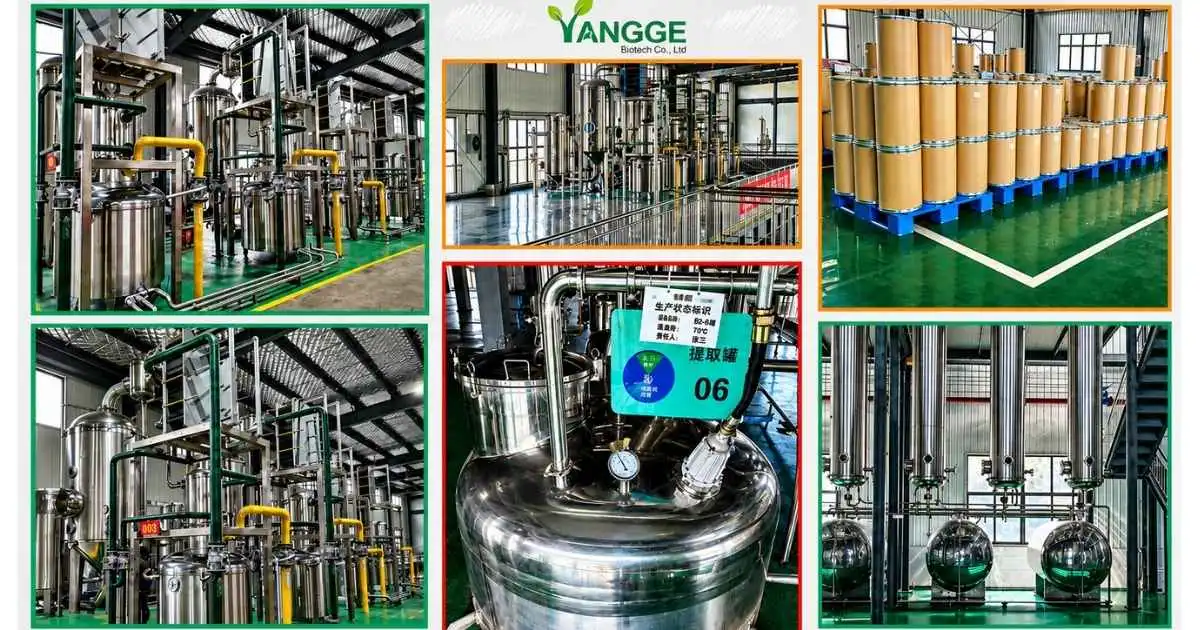
Premium Quality Raw Materials
We source carefully selected raw materials to produce high-quality lycopene with consistent performance.
Strict Quality Control
Every production stage is monitored under comprehensive quality control procedures to ensure product reliability.
Third-Party Verified
Independent laboratory testing for every batch provides additional confidence in product quality and compliance.
Professional Technical Support
Our experienced team offers formulation advice, product documentation, and responsive technical assistance.
Flexible OEM & Customization
We provide customized specifications, packaging, and private-label services tailored to customer needs.
Global Export Experience
Yangge Biotech serves customers worldwide with dependable logistics, complete documentation, and efficient service.
Conclusion
The FDA's oat beta-glucan cholesterol claim gives formulators a rare, legally defensible way to link a food or beverage directly to heart-health benefits, but only when the underlying ingredient delivers the molecular weight, solubility, and documented beta-glucan content the regulation assumes. Yangge's Oat Beta Glucan is built around exactly these requirements, giving oat milk, weight-management, and sensitive-skin brands a well-characterized, clinically supported raw material ready for claim-driven formulation, backed by consistent specifications, third-party testing, and full international certification.
FAQ
Q1: What is the FDA-required daily dose of oat beta-glucan for a cholesterol claim?
The FDA requires at least 3 grams of oat beta-glucan soluble fiber per day, delivered across a minimum of four qualifying servings.
Q2: What makes Yangge's Oat Beta Glucan different from standard oat fiber?
Yangge processes its Oat Beta Glucan to retain a high molecular weight, which drives the gut viscosity responsible for cholesterol-lowering performance.
Q3: Can Yangge's Oat Beta Glucan be used in oat milk formulations?
Yes. Its strong water solubility and neutral flavor make it well suited for oat milk and other dairy-alternative beverage applications.
Q4: Is Yangge's Oat Beta Glucan suitable for cosmeceutical use?
Yes. Its purity and molecular characterization support barrier-repair and moisture-retention formulations for sensitive-skin products.
Q5: What certifications does Yangge's Oat Beta Glucan carry?
It is Non-GMO, non-irradiated, non-allergen, and certified under ISO, HACCP, Kosher, and Halal standards, with third-party testing available.
Ready to Formulate a Claim-Ready Oat Beta Glucan Product?
If your brand is building an oat milk line, a weight-management portfolio, or a sensitive-skin formulation that needs a defensible cholesterol-reduction or barrier-support claim, the ingredient behind your label has to hold up under real scrutiny. Yangge delivers Oat Beta Glucan engineered around high molecular weight retention, clinically supported cholesterol-lowering performance, and clean solubility, giving your formulation team the documentation needed to move from concept to compliant, market-ready product with confidence. Whether you need standard-grade powder for a beverage line or a 70-80% concentrate for a meal-replacement format, Yangge's technical team can help match specification to application. Reach out to info@yanggebiotech.com to request samples, certificates of analysis, or a formulation consultation, and build your next heart-health or barrier-repair product on an ingredient that meets the standard the claim demands.
References
1. U.S. Food and Drug Administration. "Food Labeling: Health Claims; Oats and Coronary Heart Disease." Code of Federal Regulations, Title 21, Part 101.81.
2. Wolever, T. M. S., et al. "Physicochemical Properties of Oat β-Glucan Influence Its Ability to Reduce Serum LDL Cholesterol in Humans: A Randomized Clinical Trial." American Journal of Clinical Nutrition, vol. 92, no. 4, 2010, pp. 723–732.
3. AbuMweis, S. S., Jew, S., and Ames, N. P. "β-Glucan from Barley and Its Lipid-Lowering Capacity: A Meta-Analysis of Randomized, Controlled Trials." European Journal of Clinical Nutrition, vol. 64, no. 12, 2010, pp. 1472–1480.
4. Sayar, S., Jannink, J. L., and White, P. J. "Textural and Bile Acid-Binding Properties of Muffins Impacted by Oat β-Glucan with Different Molecular Weights." Cereal Chemistry, vol. 88, no. 6, 2011, pp. 564–569.
5. Othman, R. A., Moghadasian, M. H., and Jones, P. J. H. "Cholesterol-Lowering Effects of Oat β-Glucan." Nutrition Reviews, vol. 69, no. 6, 2011, pp. 299–309.
6. Tosh, S. M. "Review of Human Studies Investigating the Post-Prandial Blood-Glucose Lowering Ability of Oat and Barley Food Products." European Journal of Clinical Nutrition, vol. 67, no. 4, 2013, pp. 310–317.
About the Author
Jajarah is the Manager at Yangge Biotech Co., Ltd. (Xi'an, China), with over a decade of hands-on experience sourcing natural plant extracts, food colorants and nutraceutical ingredients for customers in more than 80 countries. Working daily alongside the company's R&D and QC teams, Jajarah handles specification matching — HPLC assay, solubility, heat and pH stability — and export documentation for regulated markets: ISO, HACCP, Kosher, Halal and FDA compliance, plus COA and MSDS. Every shipment is retested by an independent laboratory before release.

Send Inquiry
Related Industry Knowledge
Recommended Products