is it safe to take spirulina while pregnant?
What is Spirulina?
Spirulina is a blue-green alga known to be one of the oldest life forms in the World. It flourishes and blooms naturally in alkaline lakes around the World. They are now lab-grown to limit the heavy metal poisoning from the water source. It has an earthy, seaweed-like taste and gives a bluish-green tint to the added products. Spirulina has been studied for a variety of health benefits. It is mainly known for its antioxidant and anti-inflammatory properties. Some studies show that it could also be beneficial for reducing blood lipid levels and cholesterol levels.
The Aztecs and the people of Lake Chad in Africa first used it to boost their endurance and treat various diseases. Spirulina is a complete source of nutrients loaded with protein, vitamins, minerals, carotenoids, flavonoids and polyphenols. It is also rich in phycocyanin, which helps contribute to its high antioxidant levels, fat-soluble vitamins A, E, and K, and fatty acids such as DHA, EPA, and beta carotene. It’s also a rich source of protein, but it lacks some amino acids the body needs to function efficiently.
Due to the bitter taste of the algae, it is often mixed with yoghurts, juices, and smoothies to improve its flavour to make it delectable. Spirulina is easily available as a dietary supplement at health stores. Spirulina has also made its way to space as a dietary supplement for the astronauts on space missions.

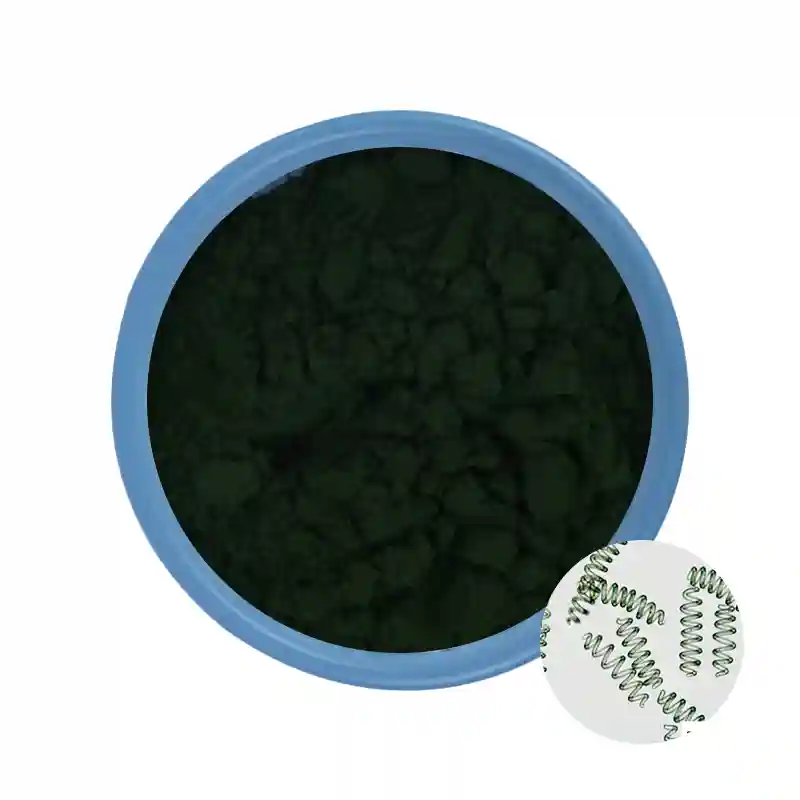
Sources of Spirulina
Spirulina is blue-green algae, a cyanobacterium from the genus Arthrospira. Spirulina is usually cultivated from lakes or farmed in ponds.
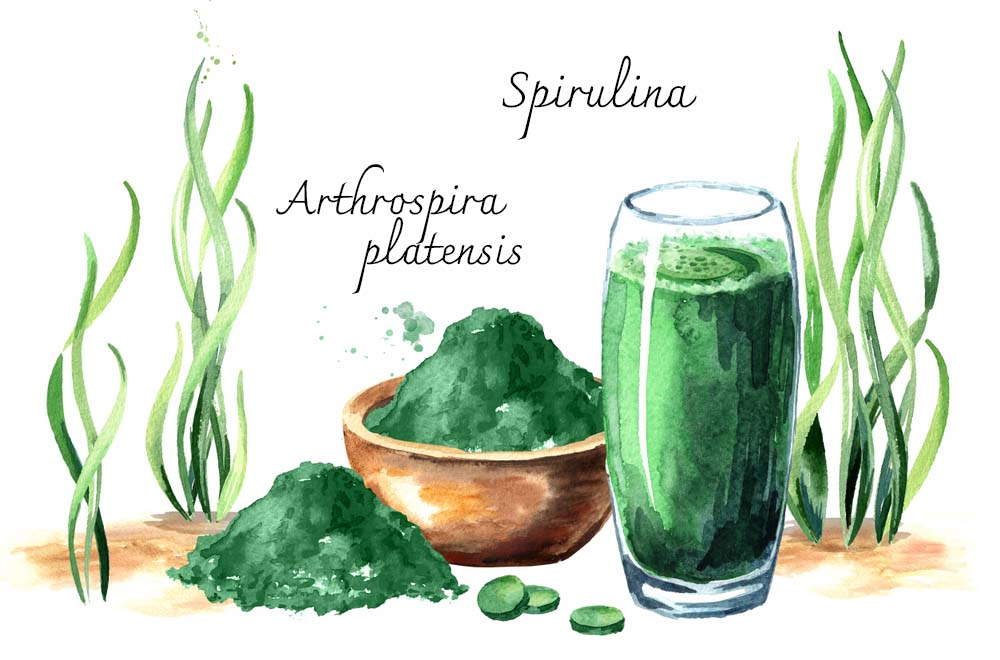
Nutritional Benefits of Spirulina
Spirulina contains several nutrients that are particularly beneficial during pregnancy, including:
Protein: Spirulina is a complete protein, meaning it contains all nine essential amino acids required by the body.
Iron: Iron is crucial during pregnancy to prevent anemia and ensure proper oxygen delivery to the fetus. Spirulina is a rich source of bioavailable iron, which can help boost hemoglobin levels.
B Vitamins: Spirulina is high in B vitamins, particularly B1, B2, and B12. These vitamins play a role in energy production, the nervous system, and fetal brain development.
Antioxidants: Spirulina is loaded with antioxidants, such as phycocyanin and beta-carotene, which help reduce inflammation and oxidative stress during pregnancy.
Essential Fatty Acids: Spirulina contains gamma-linolenic acid (GLA), a fatty acid that supports brain development in the fetus.
Given these benefits, spirulina might seem like an ideal supplement for pregnant women. However, it's crucial to weigh these advantages against potential risks.
Uses of Spirulina
Any dietary supplement is an addition to the diet depending on the individual and taken under the guidance of a healthcare professional, such as a registered dietitian, nutritionist, pharmacist, or registered physician. Supplements are not given for treating, curing, or preventing any diseases.
Spirulina has fat-soluble vitamins like A, E, and K, beta carotene and minerals, protein, and phycocyanins, providing various health benefits when taken regularly.
Phycocyanins are mainly used as a food colour and natural dye in many fields such as pharmacy, culinary, and cosmetics.
Spirulina is a good source of Thiamine, Riboflavin, Niacin, copper, iron, and magnesium.
Research and studies show it has high antioxidant, analgesic, anti-inflammatory, and brain-protective properties.
Spirulina contains about 65-70 per cent of protein; hence, it is called green meat by some nutritionists.
Spirulina improves immunity through its effect on the multiplication of gut bacterial flora.
Spirulina is a good source of iron; it increases red blood cell production and helps treat anaemia.
Due to its high antioxidants and anti-inflammatory properties, it can be used to cleanse the body and also fight against acne.

Are There Health Benefits To Taking Spirulina While Pregnant?
Spirulina has been studied for a variety of health benefits. It is mainly known for its antioxidant and anti-inflammatory properties. Some studies show that it could also be beneficial for reducing blood lipid levels and cholesterol levels.
Some specific benefits of spirulina for pregnant women lie in its nutritional content.
- Very rich in protein, Spirulina is a complete source of protein and all the essential amino acids.
- It is a nutrient-rich and wholesome supplement with an excellent nutrition profile that can be very helpful for a woman during pregnancy.
- Iron in Spirulina helps to increase the production of haemoglobin, and red blood cells help with anaemia and fatigue and compensate for the growing baby’s demands.
- The vitamins B1, B2, and B3 and folic acid in Spirulina are helpful for a baby’s brain development.
- It also helps relax blood vessels, lowers blood pressure, lowers cholesterol levels, and decreases the risk of cardiovascular disease.
- It helps to prevent infections like candidiasis in the vagina and oral cavity.
- Spirulina contains omega-3 and omega-6 fatty acids and gamma-linolenic acids, which are essential for healthy brain and skeletal development.
- Spirulina is known to help rid of allergic rhinitis symptoms, including inflammation and swelling in the sinuses and nasal cavities.
- Spirulina promotes healthy gut bacteria lactobacillus, which helps produce vitamin B6 an essential vitamin for energy.
- The protein in Spirulina helps nourish the fetus and promote its growth, all the while helping to keep the mother healthy and strong.
Just 7 grams of spirulina, or one tablespoon, provides 4 grams of protein. It is high in B vitamins like thiamine, riboflavin and niacin.
Additionally, there is evidence that spirulina supplementation could be effective against anemia and improve some of these blood markers.
This could be important as the amount of iron you need increases during pregnancy since your blood volume increases. One tablespoon of spirulina has about 2 mg of iron.
Women who are not pregnant need about 18 milligrams of iron per day, and women who are pregnant need 27 milligrams.
Can You Take Spirulina While Pregnant?
There is currently not enough evidence in human studies that shows spirulina can be taken safely during pregnancy. Because of this, professionals often advise against taking spirulina while pregnant.
There are a few animal studies done though this should not be immediately translated into safety for human pregnancies.
One main reason it would be advised to avoid spirulina while pregnant is the possibility of it containing toxins that could harm both mom and baby. Microcystins are a toxin produced by blue-green algae in the presence of water contaminated with bacteria, pollution, or other harmful elements.
Consuming spirulina contaminated with microcystins is dangerous for everyone, not just those pregnant. They can cause serious liver damage if ingested and possibly act as a carcinogen.
Additionally, the study above shows that spirulina could be effective against anemia in older adults, so no studies show that spirulina can provide enough iron for pregnancy or protect against anemia during pregnancy.
Benefits of Taking Spirulina Regularly.
Some of the most important benefits include antioxidant protection, improved vision, increased energy levels, lowering blood sugar and cholesterol and an immune system booster. It is an excellent source of protein for vegetarians.
It has been reported to have played a significant role in treating malnutrition. For example, according to a recent study, a group of malnourished children who received Spirulina showed substantially improved weight and height than children in the other group who received regular dietary supplements.
Conclusion
Though much evidence suggests the health benefits of Spirulina during pregnancy, the postulation is still ambiguous since its impact on pregnant women and their foetuses has not been studied extensively. Furthermore, despite multiple studies conducted on animals, there are no authentic or authoritative claims about the safety of Spirulina during pregnancy in humans. So, the question remains if Spirulina is excellent and safe during pregnancy.
But Spirulina is of great help to malnourished people and those who cannot afford the luxury of great supplements and diet during pregnancy. Many people are still taking it for its health benefits. For those who are not pregnant, Spirulina is one of the best dietary supplements due to its rich nutrient content. Many specialists support the idea of women eating Spirulina during pregnancy as well.
Spirulina can offer important nutrients such as protein, iron, and antioxidants, which are beneficial during pregnancy. However, safety should always come first, and the supplement should only be used with medical guidance.
Spirulina is available over the counter in powder, capsule, and tablet form. Yangge Biotech manufactured blue spirulina powder and green spirulina powder safe and available to add into your product formulations! Email:info@yanggebiotech.com

Send Inquiry
Related Industry Knowledge
- Easy Recipes with Yeast Extract Beta Glucan Powder for Better Nutrition
- Unveiling the Power of Hydrolyzed Rice Protein: The Ultimate Plant-Based Solution for Health and Beauty
- Mung Bean Protein Peptide: A Natural Powerhouse of Health Benefits
- Best Ginkgo Biloba Supplement UK Benefits
- Pure Shilajit UK Natural Benefits
- Organic Hemp Protein Powder for Weight Gain
- Blueberry Extract Anthocyanin 25%: A Natural Antioxidant Source
- hemp protein powder benefits and side effects
- Does oat beta-glucan brighten skin?
- How Eicosapentaenoic Acid Works in the Body
Recommended Products