Why 10% Astaxanthin Oil is the Superior Supplement Form
In the rapidly evolving world of nutraceuticals, Astaxanthin has emerged as the ultimate "super-nutrient." As an antioxidant, it is 6,000 times more potent than Vitamin C and 800 times more powerful than CoQ10. However, as consumers and health practitioners are discovering, the efficacy of Astaxanthin is not just about dosage—it is about delivery.
While Astaxanthin is available in powders, tablets, and low-concentration gummies, the 10% Oil (Oleoresin) form is widely considered by scientists and formulators to be the gold standard.
In this guide, we explore the physiological and chemical reasons why 10% Astaxanthin oil is the superior choice for those seeking maximum health benefits.
1. The Bioavailability Factor: "Like Dissolves Like"
The single most important thing to understand about Astaxanthin is that it is lipophilic (fat-soluble). Unlike Vitamin C, which dissolves in water, Astaxanthin requires fats to be absorbed through the intestinal wall and into the bloodstream.
When you consume Astaxanthin in a dry powder or tablet form, your body struggles to break down the crystalline structure of the nutrient. If there isn't a significant amount of fat present in your stomach at that exact moment, the majority of the Astaxanthin will simply pass through your system unabsorbed.
- The Oil Advantage: 10% Astaxanthin oil is an "oleoresin"—a natural, fatty extract. By delivering the molecule already suspended in its lipid matrix, the oil form bypasses the difficult dissolution phase. It is "pre-solubilized," leading to significantly higher plasma levels of Astaxanthin compared to dry formats.

2. Stability and Protection Against Oxidation
Ironically, the world’s most powerful antioxidant is itself very sensitive to oxygen. When Astaxanthin is exposed to air, light, or heat, it undergoes a process called oxidation, which causes it to lose its potency and turn from a vibrant deep red to a pale orange or yellow.
Powders: Have a high surface area exposed to oxygen, making them prone to rapid degradation unless heavily processed with synthetic coatings.
10% Oil: In an oil suspension, the Astaxanthin molecules are "enveloped" by the lipid carrier. This creates a natural barrier against oxygen. Because a 10% concentration is so dense, the oil acts as a preservative for the carotenoid, ensuring that the antioxidant power remains "locked in" until the moment of consumption.

3. Supercritical CO2 Extraction: The Purity Standard
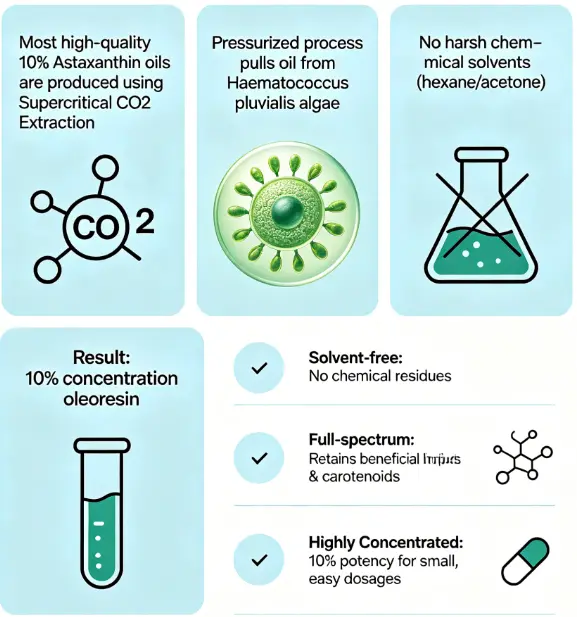
Most high-quality 10% Astaxanthin oils are produced using Supercritical CO2 Extraction. This is a pressurized process that pulls the oil from the Haematococcus pluvialis algae without using harsh chemical solvents like hexane or acetone.
The result of this process is a 10% concentration oleoresin that is:
- Solvent-free: No chemical residues.
- Full-spectrum: It retains other beneficial micro-lipids and carotenoids naturally found in the algae.
- Highly Concentrated: 10% is the "sweet spot" for potency, allowing for small, easy-to-swallow dosages that deliver a therapeutic punch.
4. Natural vs. Synthetic (The Oil vs. Powder Divide)
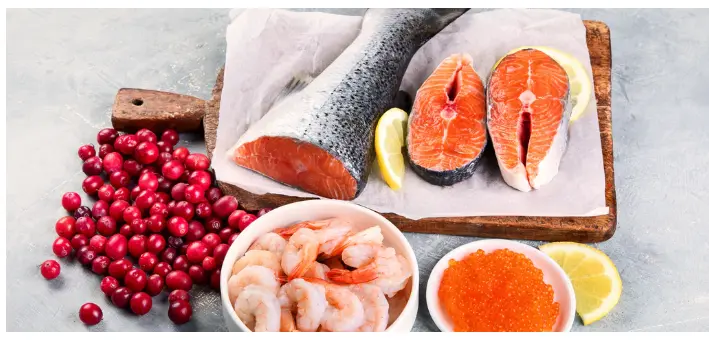
When you see Astaxanthin in cheap, mass-market powder forms, there is a higher risk that the ingredient is synthetic. Synthetic Astaxanthin is derived from petrochemicals and is primarily used in animal feed (to turn farmed salmon pink). Research suggests that natural Astaxanthin from algae is 20 to 50 times stronger in antioxidant activity than the synthetic version.
10% Astaxanthin Oil is almost exclusively derived from natural Haematococcus pluvialis algae. The complex biological process required to create a stable 10% oil is rarely applied to synthetic variants, making the oil form a "safety signal" for consumers looking for a natural, high-quality source.
5. Synergistic Pairing with Omega-3s
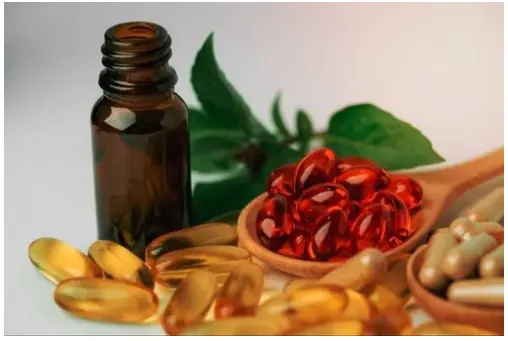
One of the most effective ways to take Astaxanthin is in combination with Omega-3 fish oils or Krill oil. Because 10% Astaxanthin is already in an oil format, it blends seamlessly with these fatty acids.
Many premium supplement brands choose the 10% oil form because it allows them to create a "synergistic complex" within a single softgel. The Astaxanthin protects the fragile Omega-3 oil from going rancid, while the Omega-3 oil ensures the Astaxanthin is absorbed perfectly by the body.
6. Precision Dosing
For manufacturers and "biohackers" who mix their own supplements, the 10% oil allows for incredible precision. Because it is a fluid, it can be measured by the drop or milligram to achieve specific therapeutic targets—whether it’s 4mg for general eye health or 12mg for athletic recovery and joint inflammation.
Summary: Why Settle for Less?
In the world of supplementation, absorption is everything. You are not what you eat; you are what you absorb.
By choosing Astaxanthin 10% Oil, you are opting for a form that respects the biological nature of the molecule. It offers:
- Superior Absorption: Thanks to its lipophilic carrier.
- Maximum Potency: Protected from oxidation.
- Clean Purity: Usually extracted via CO2 methods.
- Natural Origin: Sourced from nutrient-rich microalgae.

_1756720304448.webp "Pyrroloquinoline quinone Powder")