The Role of High-Potency Astaxanthin in the 2026 Skincare Revolution
The year 2026 stands on the cusp of a profound transformation in the skincare industry. As consumers become increasingly discerning, seeking not just cosmetic enhancements but genuine cellular health and long-term vitality, the demand for scientifically backed, highly effective ingredients has surged. Amidst this evolving landscape, one powerful antioxidant is poised to take center stage: high-potency astaxanthin.
Often dubbed "nature's most powerful antioxidant," astaxanthin is a carotenoid naturally found in microalgae, salmon, krill, and other marine life. Its vibrant red-orange pigment is a visual testament to its robust protective properties. What sets astaxanthin apart from other antioxidants, however, is its unique molecular structure. Unlike many antioxidants that can only scavenge free radicals on either the inner or outer layer of the cell membrane, astaxanthin's elongated structure allows it to span the entire lipid bilayer, providing comprehensive protection against oxidative stress both internally and externally. This unparalleled cellular defense mechanism is precisely why it is becoming the darling of advanced skincare formulations.
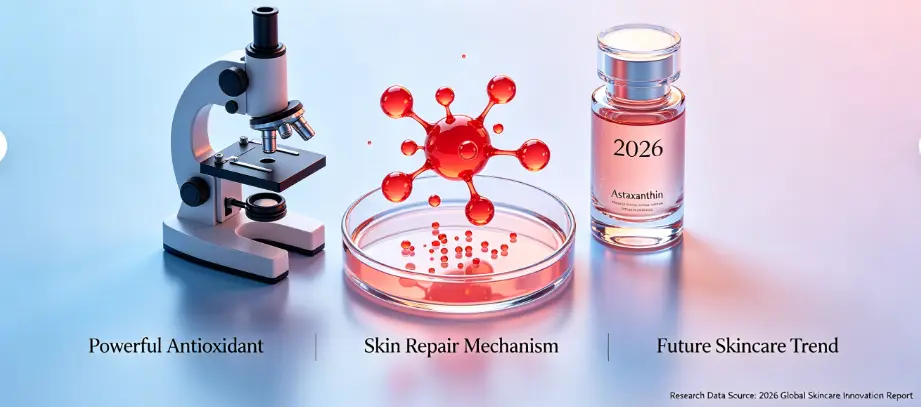
Beyond Basic Antioxidant Protection: A Multifaceted Skincare Powerhouse
The "high-potency" aspect of astaxanthin refers not just to its concentration in a formula, but to its bioavailability and sustained efficacy within the skin's cellular matrix. Research consistently demonstrates that astaxanthin is significantly more potent than many well-known antioxidants – up to 6,000 times stronger than Vitamin C, 800 times stronger than CoQ10, and 550 times stronger than Vitamin E in single-oxygen quenching. This translates into a multitude of benefits for the skin:
Superior UV Protection (Internal Sunscreen): While not a substitute for topical SPF, astaxanthin offers profound photoprotective benefits from within. It helps to neutralize free radicals generated by UV exposure, reducing inflammation, DNA damage, and the visible signs of photoaging, such as sunspots and wrinkles. In 2026, we can expect to see astaxanthin integrated into advanced daily defense products that work synergistically with traditional sunscreens.
Unrivaled Anti-Aging Efficacy: By combating oxidative stress, a primary driver of skin aging, high-potency astaxanthin helps to preserve collagen and elastin fibers, the structural proteins responsible for skin firmness and elasticity. This leads to a noticeable reduction in the appearance of fine lines and wrinkles, improved skin texture, and a more youthful, supple complexion. Clinical studies are increasingly validating its ability to reverse some visible signs of aging.
Enhanced Skin Hydration and Barrier Function: Astaxanthin has been shown to improve the skin's moisture retention by strengthening the skin barrier. A robust barrier is essential for preventing transepidermal water loss and protecting against environmental aggressors. This makes it a crucial ingredient for those struggling with dryness, sensitivity, or compromised skin.
Anti-Inflammatory and Soothing Properties: Chronic inflammation is a silent aggressor for many skin concerns, from acne to redness and rosacea. Astaxanthin's potent anti-inflammatory effects can significantly calm irritated skin, reduce redness, and promote a more even skin tone. This positions it as a key ingredient in therapeutic skincare lines.
Improved Microcirculation and Radiance: By supporting healthy cellular function and reducing oxidative damage, astaxanthin contributes to improved microcirculation within the skin. This enhanced blood flow delivers vital nutrients and oxygen to skin cells, resulting in a healthier, more vibrant, and naturally radiant complexion.
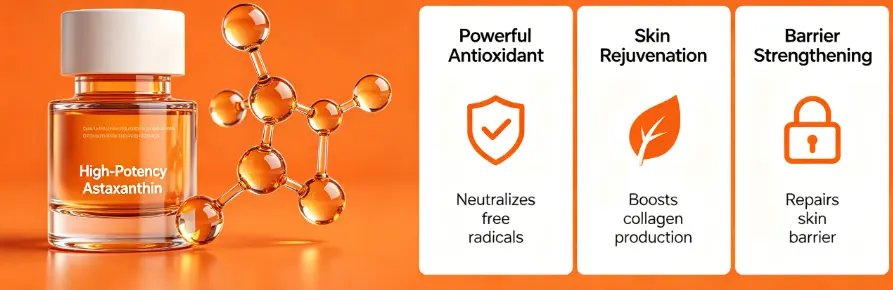
The Future of Formulations: Delivering High-Potency Astaxanthin
The 2026 skincare revolution will not just be about the ingredient itself, but how effectively it is delivered. Innovations in nanotechnology, encapsulation, and biomimetic delivery systems will ensure that high-potency astaxanthin penetrates optimally, reaching the deeper layers of the epidermis and dermis where it can exert its most profound effects. Expect to see it in serums, elixirs, targeted treatments, and even ingestible beauty supplements that work synergistically with topical applications for a holistic approach to skin health.
Furthermore, the emphasis on sustainable sourcing of astaxanthin, often from microalgae grown in controlled environments, aligns perfectly with the industry's growing commitment to ethical and environmentally friendly practices.
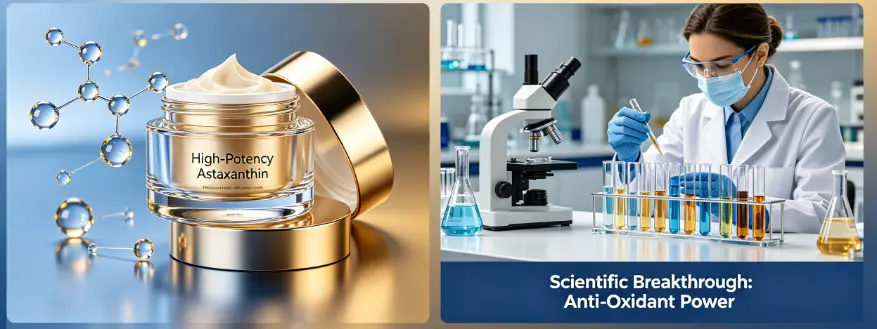
Conclusion:
High-potency astaxanthin is not merely another trendy ingredient; it is a fundamental shift in how we approach skin health. Its unparalleled antioxidant capacity, multifaceted benefits, and proven efficacy position it as a cornerstone of the 2026 skincare revolution. As formulators continue to unlock its full potential through advanced delivery systems and synergistic blends, consumers can look forward to a new era of skincare that offers truly transformative results, fostering not just superficial beauty, but profound cellular wellness and radiant longevity.
For Astaxanthin Oil 10%, 20% there are different specification for your choice, we can provide 10-30g of free samples, US warehouse in stock of 500kg of each month for the market of the global. certificate of analysis (COA), MSDS, specification sheet, pricing quotation is obtainable upon your request.
If you have any question or need any documents, welcome to contact us by e-mail: info@yanggebiotech.com
References:
Ambati, R. R., Phang, S. M., Ravi, S., & Aswathanarayana, R. G. (2014). Astaxanthin: Sources, extraction, stability, biological activities and its commercial applications—A review. Marine Drugs, 12(3), 128-152. (General overview, antioxidant comparison)
Davinelli, S., Nielsen, M. E., & Scapagnini, V. (2015). Astaxanthin in skin health, repair, and disease: A comprehensive review. Nutrients, 7(8), 6179-6202. (Comprehensive review on skin benefits including UV protection, anti-aging, hydration, inflammation)
Hama, S., & Inouye, S. (2020). Astaxanthin: A medical food for future applications. Journal of Functional Foods, 67, 103859. (Discusses its role as a medical food and potential applications)
Izumi, K., et al. (2017). Effects of astaxanthin on reducing oxidative stress in human dermal fibroblast cells. Food Science & Nutrition, 5(6), 1182-1188. (Focuses on anti-aging and oxidative stress reduction at a cellular level)
Kishimoto, Y., et al. (2016). Astaxanthin limits UVA-induced skin fibroblast damage by upregulating antioxidant enzyme expression. Nutrients, 8(12), 790. (Specific study on UVA protection)
Tominaga, K., Hongo, N., Karato, T., & Yamashita, E. (2017). Cosmetic benefits of astaxanthin on human skin. Acta Biochimica Polonica, 64(3), 437-442. (Clinical study on cosmetic benefits including wrinkles, elasticity, and hydration)
Terao, J. (1989). Antioxidant activity of beta-carotene-related carotenoids in lipid peroxidation. Lipids, 24(8), 659-663. (Early research on carotenoid antioxidant activity, setting context for astaxanthin's superiority).

Send Inquiry
Related Industry Knowledge
Recommended Products