Natural Food Coloring: A Guide To Healthier Alternatives
Adding color to food, in one way or another, has been the norm for centuries. From the Egyptians to medieval Europe, civilizations used natural sources of food colorants like herbs and plant extracts to add rich color to foods. Nowadays, we see two types of food colors: natural colors and artificial dyes.
While artificial colors are typically cheaper and more stable to cook with, there are health concerns about the impact of artificial food colors on our children. Fortunately, plenty of natural food coloring alternatives are just as vibrant and colorful without the junk.
Natural food colours are made from a large range and kind of vegetables, minerals, plants, fruits sources. Among this selection is carefully selected due it need to fit with the FDA, European Legislation and other countries. i.e (Chlorophyll is allowed in Europe but not in United States). These natural colors can impart colour when added to food or beverages.
What are Natural Food Colour?
Food coloring is essential in commercial food production and cooking at home.
Natural food coloring are pigments derived from various plant, animal, or mineral sources that are used to enhance the appearance of food products. Natural food colours are considered safe and healthy, unlike synthetic food colours, which are chemically produced and may have negative health effects. Natural food colours are often preferred by consumers who are looking for healthier and more natural food products.
Natural food color powder are present in many everyday items like baked goods, drinks, high-quality vitamins, and even some skincare products. Worryingly, one study found that about 43% of grocery store items contained artificial colors, including most candies, fruit-flavored snacks, and drinks mixes. These are items predominantly marketed toward children.
While the modern food industry relies heavily on artificial colors, more people seek natural, healthier alternatives. The good news is the demand for natural food coloring is growing as consumers are more concerned about the impact of synthetic dyes.
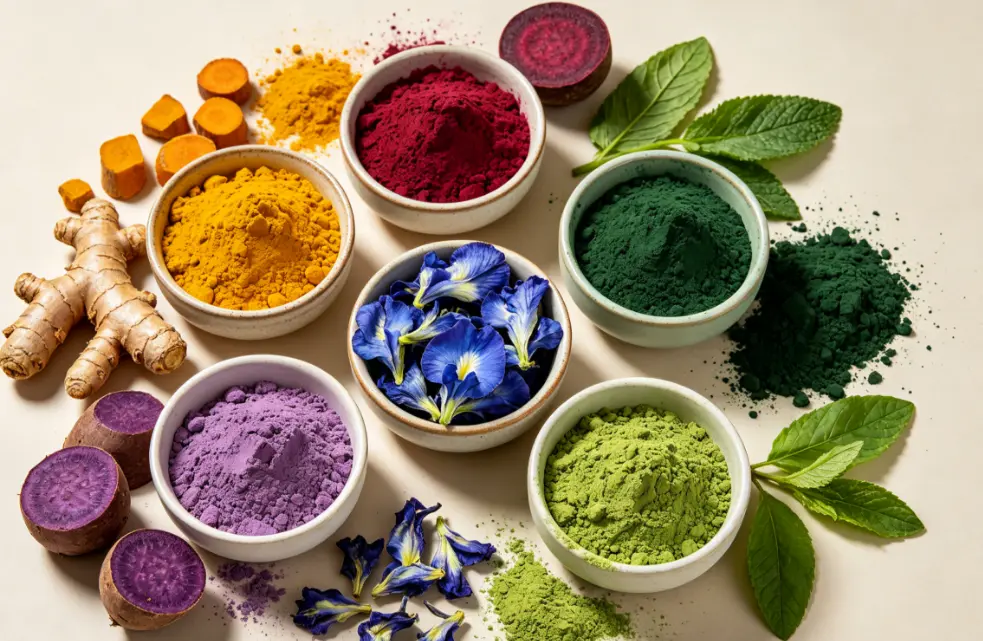
These natural sources are incredibly diverse, spanning the entire biological kingdom. Fruits and vegetables are prominent providers, offering a vast spectrum of colors. Spices and herbs contribute earthy and vibrant tones. Even certain minerals and microorganisms play a role, offering unique shades that broaden the natural palette. For example, annatto, derived from the seeds of the achiote tree, provides warm yellows and oranges.
What to Know About Food Coloring
Substances used to introduce color to food and other products have been in use for thousands of years. For much of that time, natural substances were the only options available; in the modern era, synthetic substances have taken over as the most common way to make something a different color. In fact, synthetic dyes really revolutionized the food industry by making it cheaper and easier to make a product look as intended. The sources of such dyes are diverse, from petrochemicals to heavy metals.
In light of legitimate concerns about the short and long-term effects of such substances, many consumers have grown wary of synthetic dye. In the last few decades, there has thus been growing demand for natural and clean-label food products, including the chemicals used to create different colors and combinations. But even apart from changing consumer demands, regulatory agencies have also imposed restrictions or labeling requirements on some kinds of synthetic food dyes. The net effect of these changes is that more and more natural food dyes are making their way into a huge range of products.
New FDA Approvals
In a move to replace synthetic dyes, the US Food and Drug Administration (FDA) has added three more natural color additives to its list. They are:
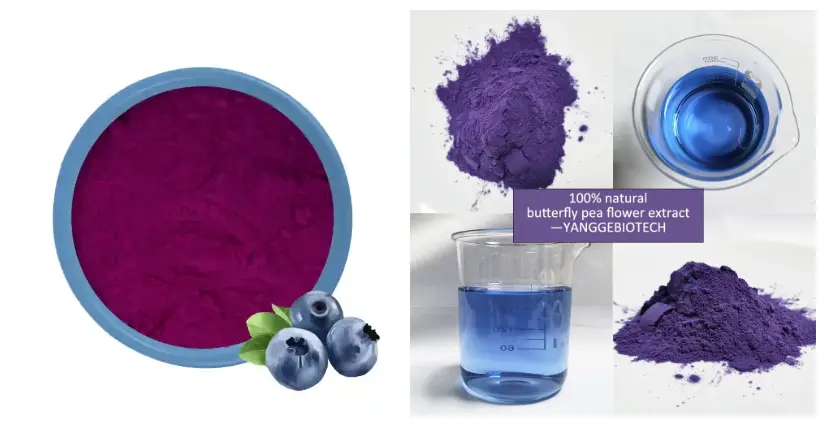
Butterfly Pea Flower Extract: The extract is renowned for its pH-sensitive properties and vibrant purplish-blue color. It is gaining popularity as a dairy alternative and in health beverages.
Gardenia Blue Extract – The species of red algae (Galdieria sulphuraria) provides a bright blue stable hue suitable for beverages, confections, and snacks.
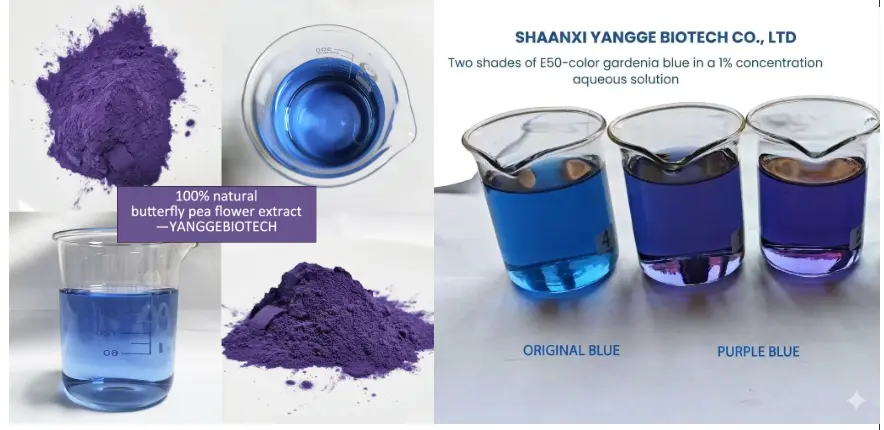
The approval indicates the biologically derived color sources and open avenues are gaining momentum toward formulation experimentation, precisely for heat-processed or high-acidity products.
Plant natural colours
Traditional raw and processed food colourants have been derived from natural pigments found in wild plants. Food and beverage nutrition experts suggest natural plant colours are healthy and add to the overall sensory attribute of the food. Figure 1 shows how several typical pigments compare in terms of colour and chemical structure.
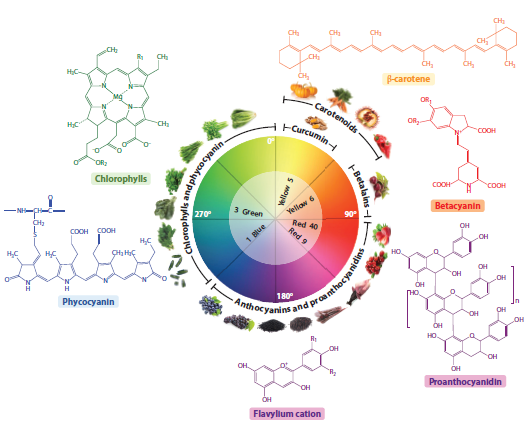
Figure 1. Colour and chemical structure compare four typical natural pigments: anthocyanins, betalains, carotenoids, and phycocyanins.
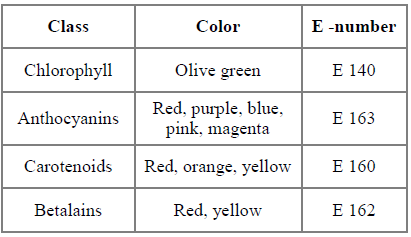
Table 1: Plant Natural Color
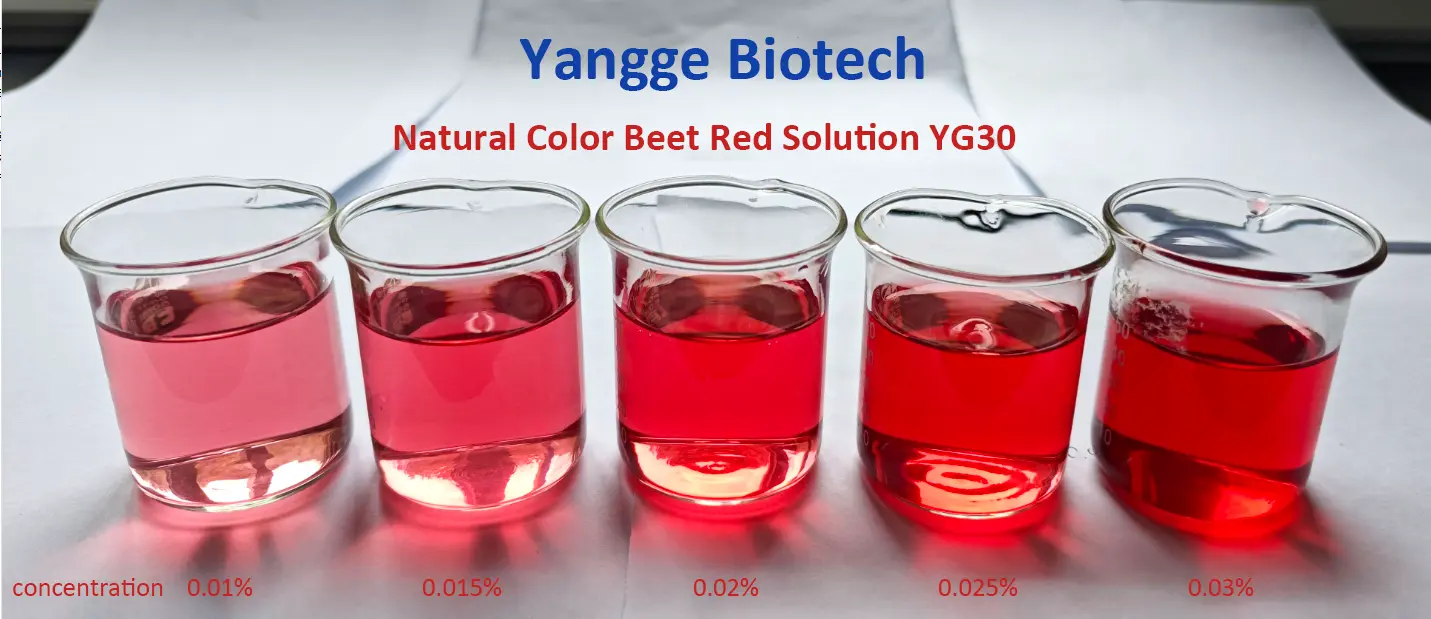
2.1 Betalains
Betalains are nitrogen-containing, water-soluble plant pigments found in most Caryophyllales plants. Betalains may be found in various plant components, including flowers, leaves, stems, and bracts. Violet betacyanins and yellow betaxanthins are the two types of betaxanthins. The pH range 5–6 is ideal for optimum betalain stability. When betanin solutions are stored in a low-oxygen environment, pigment degradation is minimized when stored in an air environment. Because the effects of light exposure are minimal in anaerobic settings, betalain light-driven degradation is oxygen dependant. Temperature is the most critical element influencing betalain stability during food preparation and storage.
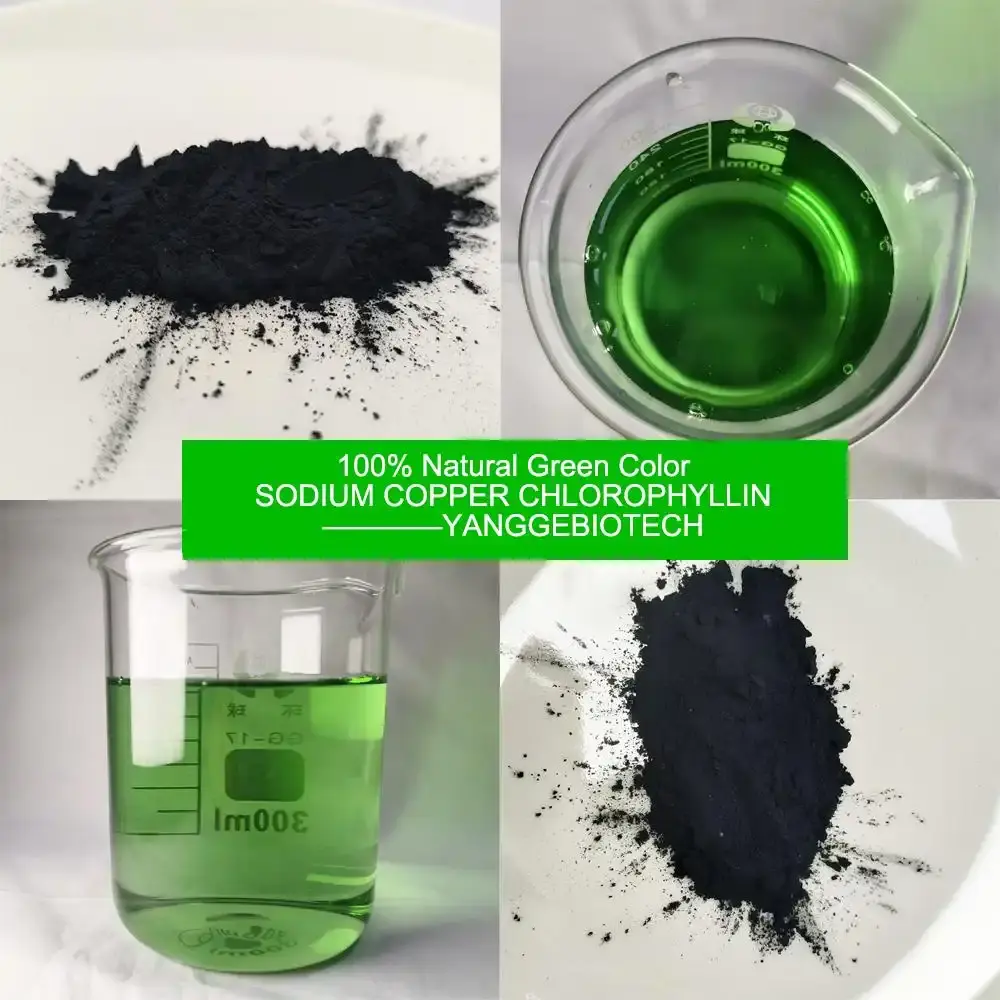
2.2 Chlorophyll
Chlorophylls are oil-soluble pigments that are responsible for plants’ distinctive green hue. Porphyrins or tetrapyroles chelated with a central magnesium atom make up the structure of chlorophylls. Heat, light, oxygen, acids, and enzymes are all very sensitive to chlorophyll, causing rapid breakdown and colour change. They thrive in alkaline pH ranges of 7-9. In an acidic pH, it becomes unstable. When a plant’s cell membrane is exposed to light or heat, it degenerates, producing acids that lower the pH. The primary cause of the chlorophyll colour change from green to olive-brown is acids and Mg-dechelatase, an enzyme present in algae and plants. These alterations are caused by the loss of a central magnesium atom in the chlorophyll structure, replaced by hydrogen ions, resulting in the transition of native chlorophylls into pheophytin, an olive-brown kind. Other enzymes that degrade chlorophyll and induce colour change include chlorophyllase and oxidative enzymes, including lipoxygenase, chlorophyll oxidase, and peroxidase. The plant-based beverage market requires this pigment to provide Colour and nutrition to many types of drinks.
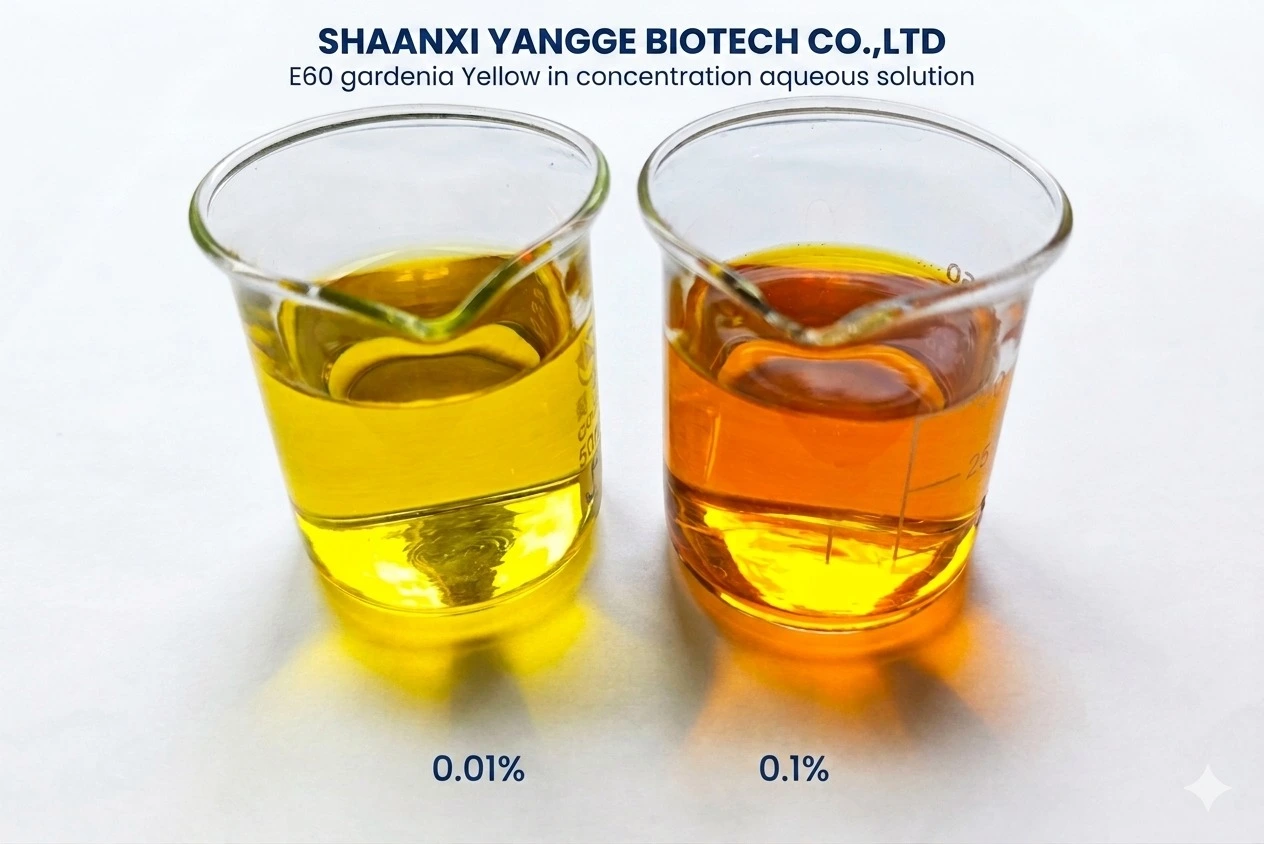
2.3 Color Replacement Of Sythetic Lemon Yellow
Replacing synthetic lemon yellow (such as Tartrazine/FD&C Yellow #5 or Quinoline Yellow) with natural alternatives is a key goal for clean-label products, offering a similar, vibrant, and slightly greenish-yellow hue. Gardenia yellow is a natural, water-soluble pigment (crocin/crocetin) derived from Gardenia jasminoides fruits, widely used as a bright yellow food colorant. It is popular for its high stability in heat/light, non-toxicity, and application in noodles, candies, beverages, and jams. It is distinct from yellowing gardenia leaves, which indicate stress.
2.4 Anthocyanins
Anthocyanins are water-soluble plant pigments. Natural food coloring red can be found in many fruits and vegetables that have blue, purple, red, and orange colours because of them. The quantity and location of hydroxyl and methoxy groups on the basic anthocyanidin skeleton determine the variety of anthocyanins. If hydroxyl groups predominate, the Colour will take on a bluish hue; if methoxyl groups predominate, the Colour will become redder. Anthocyanin colour stability is influenced by various factors, including pH, temperature, light, co-pigments, enzymes, oxygen, and sugars. The crimson flavylium cation is the single predominating equilibrium species in high acidity environments. As the flavylium cation is hydrated to the colourless carbinol form by nucleophilic attack of water, increasing the pH reduces the flavylium cation’s colour intensity and concentration. When the pH rises even higher, the carbinol form gives way to the colourless chalcone via ring-opening. Food and beverage development use Anthocyanins to a considerable extent due to its neutral chemical composition and excellent Colour it provides to the food.
Table 4: Colors linked with common anthocyanins
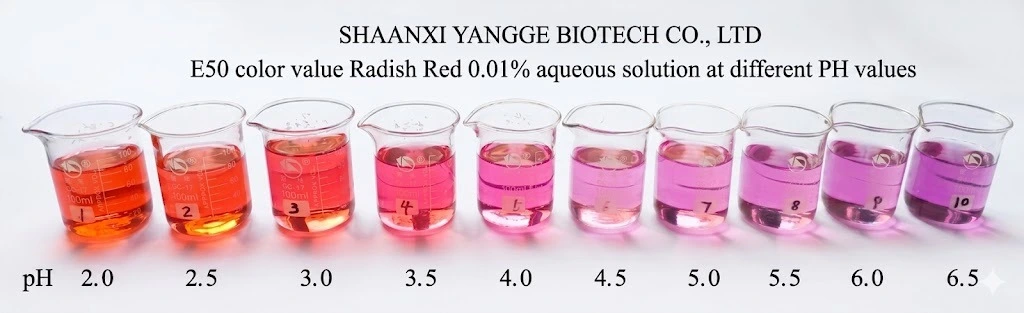
Table 5: Common sources of anthocyanins
3. Phycocyanin
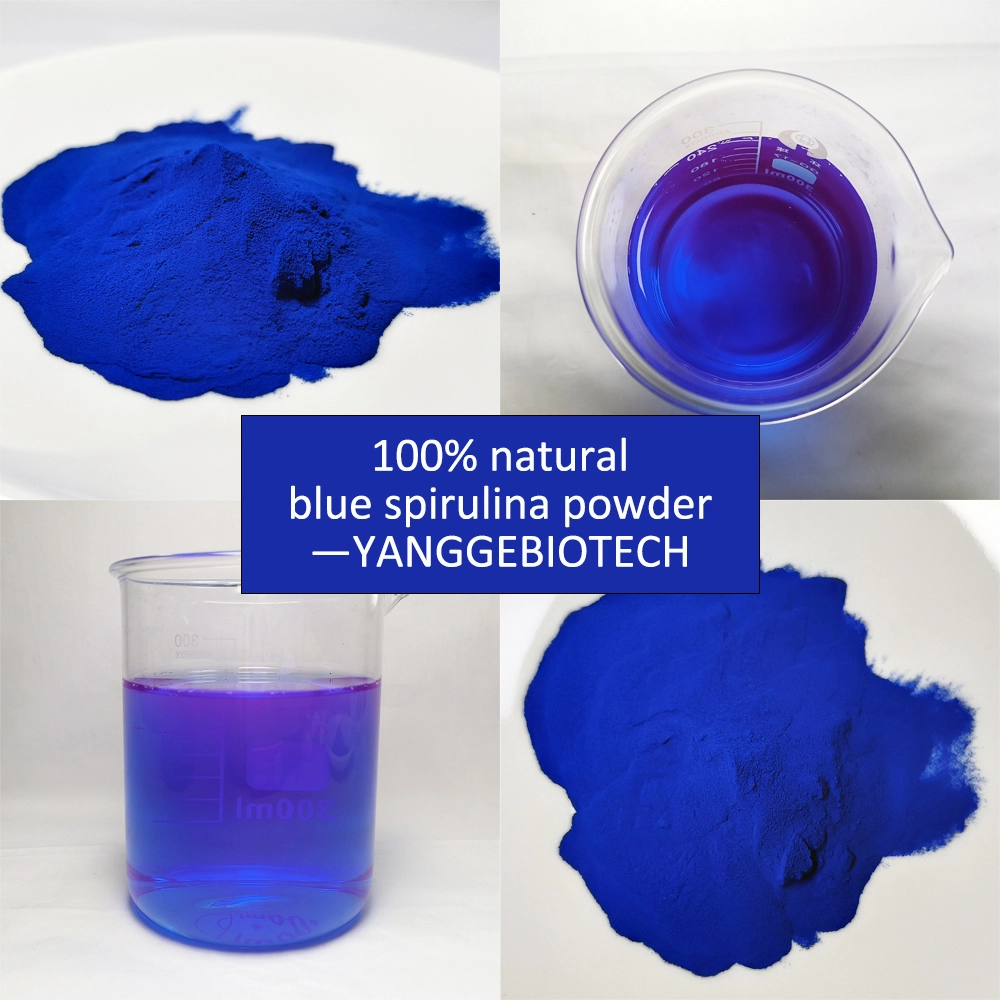
Phycocyanin is a natural, vibrant blue pigment extracted from Spirulina (Arthrospira platensis) algae, commonly used as a clean-label alternative to synthetic brilliant blue (FD&C Blue No. 1). FDA-approved and often used in candies, dairy, and beverages, it provides intense color but is sensitive to high heat, light, and low pH (below 5.0).
Colour Appearance
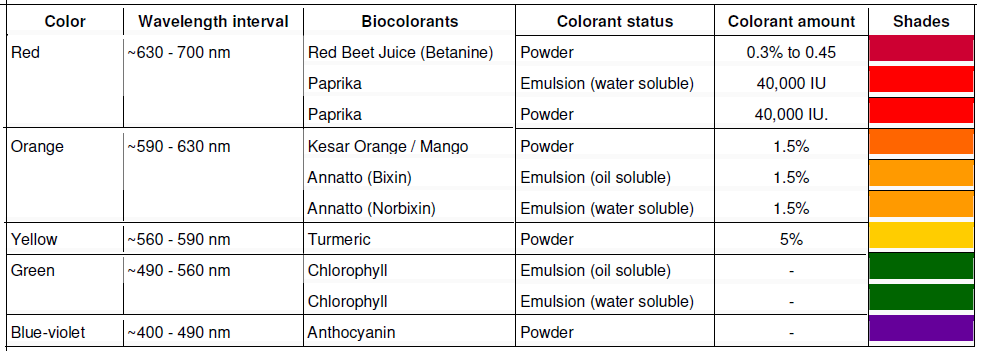
It’s vital to remember that a single colouring agent may not provide the intended result; the background colour and nearby coloured substances significantly impact the colour appearance. Product designs that need blue or green limit the colour palette to just approved colours. Carmine can produce a bluish-purple, but it cannot make a pure blue. Compared to the brilliant hue created by the FD&C-yellow, annatto or turmeric has a cheese hue or an eggy tone. Nowadays, fluorescent colours are also essential in the food industry as consumers favour foods to glow under conditions. Turmeric is a very fluorescent spice that is often used in cooking. The physical and chemical qualities of a food product usually limit the colourant options. A list of available shades for food-grade bio-colourant is presented in Table 6.
Table 6. A wide range of food-grade biocolorants
Benefits of Using Natural Food Colour
Natural food colors enhance the appearance of foods and offer several benefits. Let’s take a look.
Safe and Healthy
The safety of synthetic food dyes is a controversial and ongoing discussion. Research suggests that some dyes are believed to have potential health concerns, yet they are still approved for use in our food system.
Natural food colors are generally considered safe for humans and are less likely to have adverse health effects than artificial colors. While the FDA says that approved food dyes are safe, there are some cautions around reactions to Yellow 5 and how synthetic dyes may affect some children’s behavior, not to mention the potential risk of food dye allergies. While allergic reactions to food dyes are rare, they can be just as serious as any other allergy.
By opting for healthy food coloring alternatives using natural sources, we can avoid unnecessary chemicals in our family’s diet.
Kind To The Environment
As food producers step toward meeting the demand for natural and safe food colorants, sustainability is another important issue. Typically, producing artificial colors uses non-renewable sources. Natural food colors can use renewable and sustainable sources, making them a more environmentally-friendly option than their synthetic counterparts.
Versatile
We can rely on natural food colors to create a massive range of colors. That means natural food dyes can be used in many food products like soft drinks, baked goods, and more. Finding natural food colors that are versatile and generally stable will hopefully become the norm in food manufacturing as more producers take into account consumer concerns around synthetic dyes.
Enhanced Nutritional Value
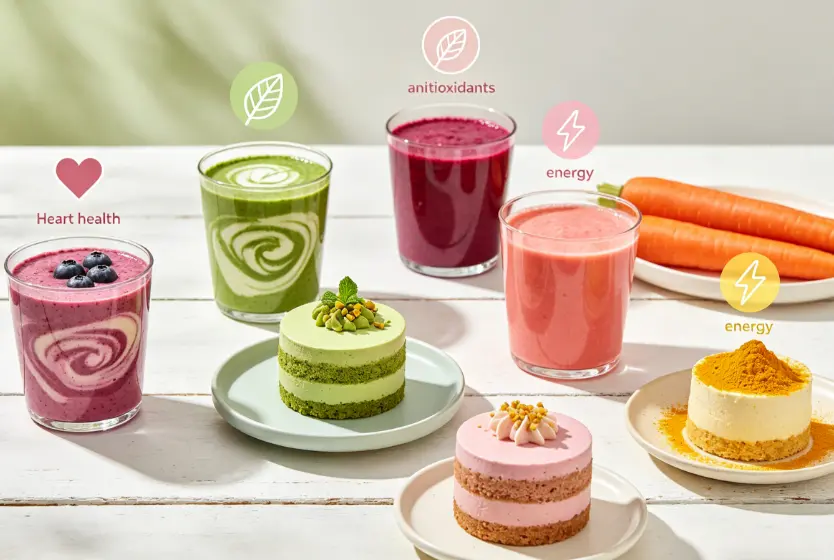
Natural food coloring substitutes from plant-based sources provide beautiful colors and hues, but many contain vitamins and minerals for an added nutritious boost.
Anthocyanins-based colors (red, blue, and purple) are found in plants like berries and plums. Research suggests anthocyanins could be an inexpensive yet effective way to control cardiovascular risk and aging, lowering cholesterol and inflammation.
Plant carotenoids are responsible for yellows, oranges, and reds but may also lower the risk of developing age-related macular degeneration (AMD). AMD is an eye disease that can blur the middle part of your vision.
Turmeric has long been known for its anti-inflammatory and antioxidant activity. Evidence suggests that curcumin, a compound found in turmeric, shows promise in preventing cognitive decline.
Natural food colors Over Artificial Colors
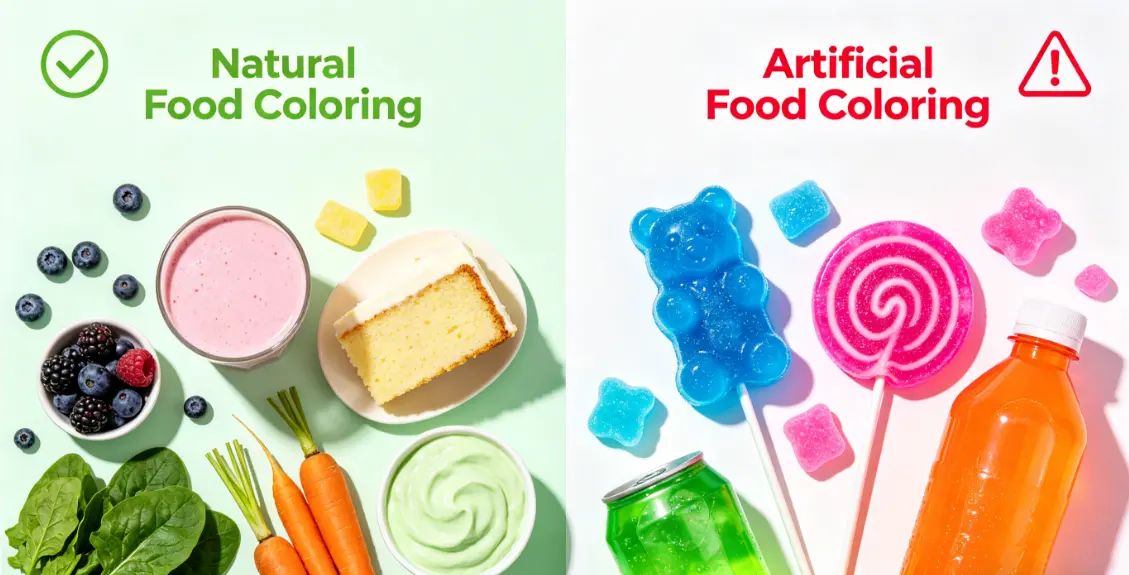
When comparing natural food colors to their artificial counterparts, the advantages of the former become strikingly clear across multiple dimensions.
1. Health and Safety Profile:
This is arguably the most significant benefit. As discussed, artificial food colors have been linked to potential health concerns, particularly hyperactivity in children. While regulatory bodies deem specific artificial colors safe at certain levels, the cumulative effect of multiple dyes across various foods, especially in children's diets, remains a point of contention for many consumers and some health advocates.
Natural food colors, on the other hand, generally boast an excellent safety record. Derived from edible plants, fruits, and vegetables, they are recognized by the body as food components. Many natural colors, like those from berries (anthocyanins) or curcumin from turmeric, are even celebrated for their antioxidant properties and other potential health benefits, adding nutritional value beyond just color. Pigments like astaxanthin are well-known for their powerful antioxidant capabilities. Similarly, colors derived from sources like red radish, black carrot, gardenia yellow, gardenia blue, butterfly pea, and green and blue spirulina don't carry the same baggage of potential sensitivities or behavioral impacts that synthetic dyes do, offering peace of mind to parents and health-conscious individuals.
2. Nutritional Value and Antioxidant Properties:
This is where natural colors truly shine beyond their primary function. When you incorporate red radish extract for a red hue, you're not just getting color; you're also introducing some of the vitamins, minerals, and anthocyanins naturally present in radishes. The same applies to beta carotene from carrots (Vitamin A precursors), anthocyanins from blueberries (powerful antioxidants), or chlorophyll from leafy greens. Curcumin from turmeric is renowned for its anti-inflammatory properties, while astaxanthin is a superstar antioxidant. Green and blue spirulina are also packed with nutrients, including proteins and vitamins, alongside their vibrant pigments.
Artificial colors are inert in this regard. They offer no nutritional benefit whatsoever. They are purely cosmetic additives. Natural colors, while often used in small quantities, contribute to the overall nutritional profile of a food product, even if subtly. This "added bonus" aligns perfectly with the holistic approach to healthy eating.
3. Broader Consumer Acceptance and Trust:
In today's market, a "natural" label is a powerful selling point. Consumers actively seek out products with natural ingredients and are often willing to pay a premium for them. The presence of natural food colors like gardenia yellow, gardenia blue, red radish extract, or black carrot extract on an ingredient list can significantly enhance a product's appeal and consumer trust. It signals that the manufacturer is attuned to consumer concerns about health and transparency.
Conversely, the presence of artificial colors can be a deterrent for a growing segment of the population. Products containing them might be passed over in favor of natural alternatives, regardless of other attributes. This shift in consumer preference directly impacts market share and brand reputation.
4. Environmental Friendliness:
As previously touched upon, the production cycle of natural food colors generally has a lighter environmental footprint compared to synthetic dyes. Sourced from renewable plant matter, such as carrots, red radish, or the plants yielding gardenia yellow and gardenia blue, they support agricultural systems and can contribute to biodiversity. The cultivation of butterfly pea flowers or algae for green and blue spirulina also represents more sustainable approaches to color production. When extraction methods are optimized for energy efficiency and waste reduction, the environmental advantages become even more pronounced. This aligns with corporate sustainability goals and appeals to environmentally conscious consumers.
5. Unique Sensory Experience:
While artificial colors are designed for uniformity and intensity, natural colors often offer a more nuanced and complex sensory experience. Their shades can be richer, deeper, and more varied, mirroring the subtle differences found in nature. For instance, the reds from red radish might have earthy undertones, while the purples from black carrot could be intensely vibrant. The distinct blue from butterfly pea is unique and mesmerizing.
Furthermore, because they come from whole foods, natural colors can sometimes impart very subtle, appealing flavors or aromas that complement the food product. Think of the faint hint of curcumin in a yellow curry-colored dish or the earthy notes from a black carrot extract. These subtle contributions add layers of complexity and authenticity that artificial colors, being flavorless and odorless, cannot provide.
6. Regulatory Alignment:
In many parts of the world, particularly in the European Union, there is a stricter regulatory environment surrounding artificial food colors. The requirement for warning labels on certain products in Europe has significantly pushed manufacturers to move towards natural alternatives. As global food standards often influence each other, embracing natural colors – from anthocyanins to astaxanthin to green and blue spirulina – positions companies favorably for international markets and anticipates potential future regulatory shifts in other regions. It demonstrates a proactive approach to compliance and ethical ingredient sourcing.
Relevant Literature and Natural Colors Evidences
For many years, the vibrant yellow of Kraft Heinz’s iconic macaroni and cheese came from the artificial food colorings yellow no. 5 and yellow no. 6. In 2012, the company started searching for a natural replacement.
The botched attempts to eliminate synthetic colors a decade ago loom over food and color companies, but they say they’re better equipped to get the job done this time. They argue that improved technologies and new sources of natural colors will allow them to better replicate the products consumers know and love.
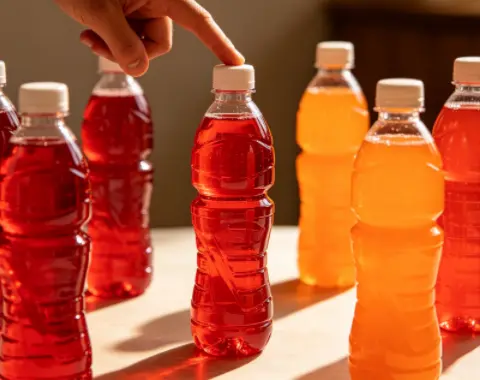
Each food application presents its own challenge. In a laboratory at Oterra’s US headquarters just outside Milwaukee, application scientist Ashlee Martin arrays several bottles of red sports drinks on a table. Reference bottles colored with red no. 40 sit next to bottles colored with black carrot extract, cooked apple juice, and a type of sweet potato bred by Chr. Hansen to maximize color production. The natural alternatives are difficult to distinguish from the reference.
source: https://cen.acs.org/food/food-ingredients/time-natural-food-colors/103/web/2025/05
Market Analysis
The global market for Natural Food Color Ingredients was valued at USD 4864.9 million in 2019. The market will be valued at USD 5481.5 million by the end of 2026, with a CAGR of 1.7 % from 2021 to 2026. In 2019, India’s natural food colours industry was expected to be worth USD 74.09 million. It is predicted to reach USD 92.96 million by 2027, with a CAGR of 3.90 % across the area from 2020 to 2027. It is attributable to the expanding population and increased consumer awareness of health, expected to increase the industry. As people become increasingly aware of the detrimental health effects of synthetic food colours, demand for natural food colours is growing. Artificial food colours enhance the appeal of food. Brightly coloured meals pique the curiosity of consumers, particularly youngsters. Children who are fed processed food-flavoured eatables are more likely to develop attention deficit hyperactivity disorder. These behavioural changes are more common in youngsters who consume higher levels of artificial food colours.
How To Use Natural Food Coloring at Home
Now for the fun bit. What substitutes for food coloring can we use at home? Whether it’s natural food coloring for baking as a family, coloring seasonal holiday eggs, or prepping lunches for the week, there are plenty of exciting options to use in the kitchen.
Remember that these natural colorings are foods; they can add a different flavor or taste to foods when used in large amounts. Things like turmeric and cinnamon add color but are also intense flavors in large quantities. So, think small amounts.
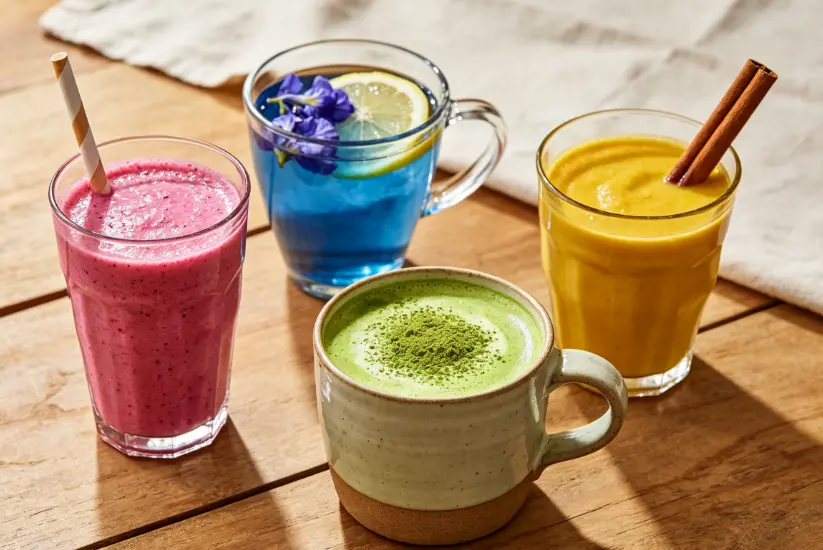
Vegetable powders are ideal for adding color without lots of liquid. Try one of these:
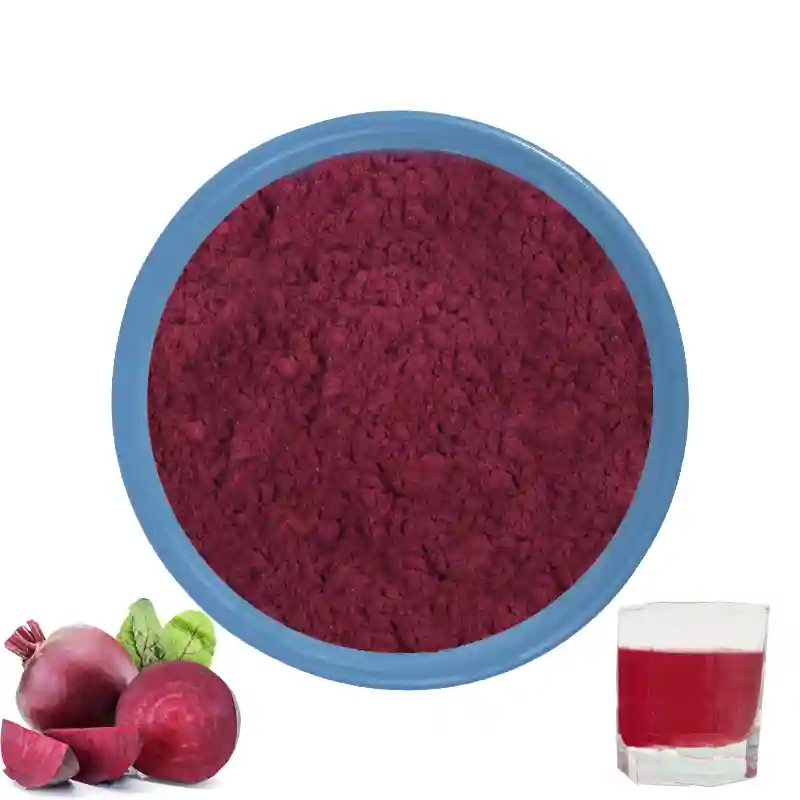
- Pinks and reds - beetroot or hibiscus powder
- Blues - blue spirulina powder
- Greens - spirulina
- Yellows - turmeric powder
You can also make a concentrated liquid, which you can reduce to syrup if needed. The liquid can be from pure juice, water-based, or strained purée. Whatever method, always remember to reduce the liquid, as the less water you have, the more concentrated the color.
Natural food colorings at home are ideal for cold applications like icing, frosting, and glazes. Keep in mind that vegetable dyes do not work when baked unless there’s enough acid medium. So, if you have dough or batter, add lemon juice or buttermilk to the vegetable dye in at least a 1:6 ratio for cakes and cupcakes.
Conclusion
The journey back to natural food colors is more than just a passing culinary trend; it represents a deeper paradigm shift in our relationship with food. It is a movement driven by a collective desire for transparency, health, and authenticity. Natural food colors, derived from the bountiful pantry of nature—from the vibrant beta carotene of a carrot to the rich anthocyanins of black carrot and red radish, the bright curcumin of turmeric, the unique blues of gardenia blue and butterfly pea, and the powerful astaxanthin, along with green and blue spirulina—offer a compelling alternative to their synthetic counterparts, bringing with them a host of benefits that extend far beyond mere visual appeal.
From mitigating health concerns and aligning with the "clean label" ethos to offering nutritional value and contributing to environmental sustainability, the advantages are clear. As consumers continue to demand purer, more wholesome ingredients, and as technological innovations further refine the art and science of natural coloration, the future of our food is poised to become even more vibrant, healthy, and genuinely colorful – colored by the exquisite palette of nature itself. This shift is not merely about changing the ingredients list; it is about cultivating a more mindful and harmonious connection with the food that nourishes us, inside and out.
Yangge Biotech’s natural food color suppliers come in liquid or free-flowing powder form and are completely safe to use. They do not affect the taste or quality of the food, but rather enrich it with the goodness of nature. With their range of natural food colours, you can create visually appealing and delicious food products that meet the growing demand for natural and healthy food options. Today, Yangge Biotech as a supplier of raw materials for natural food color extracts and health products, our company is dedicated to providing the highest quality ingredients to our customers around the world. With a commitment to strict quality control and production in accordance with GMP standards, we are proud to be a trusted supplier for many businesses in the food and health industries. Send us your inquiry here email:info@yanggebiotech.com
Sources:
Prevalence of Artificial Food Colors in Grocery Store Products Marketed to Children | Clinical Pediatrics
The Effects of Natural and Synthetic Blue Dyes on Human Health: A Review of Current Knowledge and Therapeutic Perspectives | Advances in Nutrition
Color Additives Questions and Answers for Consumers | FDA
Effects of Anthocyanins on Vascular Health | Biomolecules
Lutein, Zeaxanthin, and meso-Zeaxanthin: The Basic and Clinical Science Underlying Carotenoid-based Nutritional Interventions against Ocular Disease | NCBI
Efficacy of curcumin for age-associated cognitive decline: a narrative review of preclinical and clinical studies | GeroScience
Applications of food color and bio-preservatives in the food and its effect on the human health | Food Chemistry Advances
When less is more: Nearly two out of three global consumers say they follow specialized diets that omit certain ingredients | NielsenIQ

Send Inquiry
Related Industry Knowledge
Recommended Products