is cochineal extract bad for you?
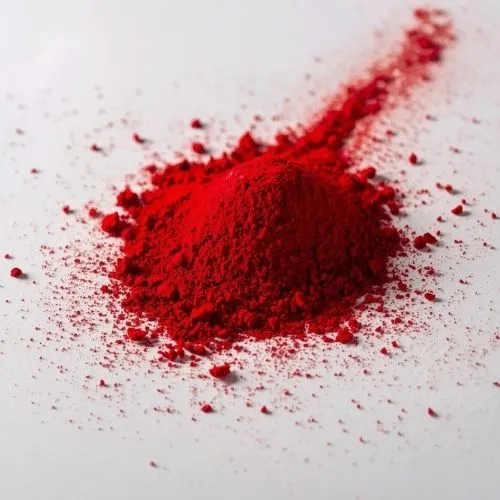
Cochineal extract, a natural red colorant derived from the dried bodies of female cochineal insects (Dactylopius coccus), has been utilized for centuries as a versatile dye and pigment. This crimson-colored extract, also known as carmine, carminic acid, or natural red 4, is cherished for its vibrant hue and impressive color stability. Due to its intense red shade, cochineal extract remains a popular choice for imparting varying degrees of red, pink, and purple tones to a wide array of consumer products.
What is Cochineal Extract?
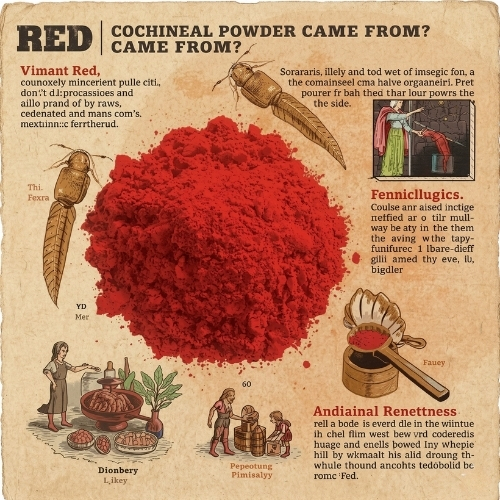
The origin of cochineal extract can be traced back to Central and South America, particularly the Andean region, where the indigenous peoples of the Americas, including the Aztecs and the Inca, utilized cochineal insects for their vibrant red pigments. The female cochineal insects, Dactylopius coccus, feeds on specific species of cacti, such as Opuntia ficus-indica, commonly known as the prickly pear cactus. The insects secrete carminic acid as a defense mechanism to deter predators, and it is this carminic acid that imparts an intense red color.
The traditional harvesting methods for cochineal extract involved carefully collecting the cochineal insects from the cactus pads by hand. After gathering the insects, they were then sun-dried or subjected to heat to kill them. Once dried, the insects' bodies were carefully ground to produce the cochineal powder or extract, which was then used as a dye or pigment.
Uses in Food, Cosmetics, and Textiles
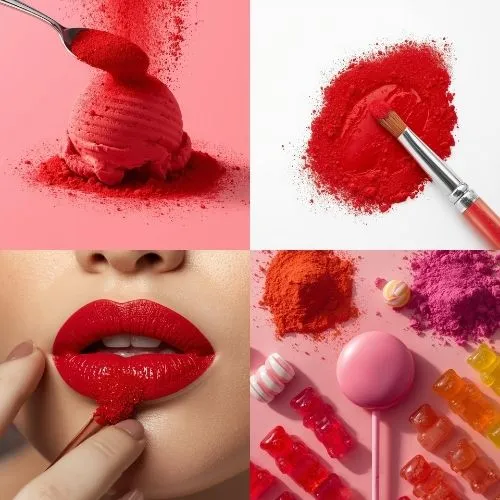
Food: Cochineal extract has a long history of use as a natural food colorant, especially in the production of beverages, confectionery, dairy products, and processed foods. It is valued for its stable, rich red color and has been used to impart hues ranging from bright red to deep purple. However, concerns about allergenic potential and consumer preferences for natural and plant-based ingredients have led to some controversy regarding its use in food products.
Cosmetics: In cosmetic formulations, cochineal extract has been employed as a natural dye for lipsticks, blushes, eye shadows, and other makeup products to achieve various shades of red, pink, and purple. However, the shift towards cruelty-free and vegan cosmetic products has prompted some companies to seek alternative colorants to avoid using animal-derived ingredients.
Textiles: Historically, cochineal extract has played a critical role in dyeing textiles, particularly wool, due to its exceptional colorfastness and ability to produce a wide spectrum of red and purple shades. While synthetic dyes have largely replaced cochineal extract in commercial textile production, there is a growing interest in sustainable and eco-friendly dyeing techniques that may contribute to a resurgence of cochineal extract's usage in textiles.
Is Cochineal Extract Bad for You?
A. Health concerns and potential allergenicity
Cochineal extract is likely not a health concern unless you are allergic to it. A small percentage of consumers can have allergic reactions to cochineal, ranging from hives to life-threatening anaphylactic shock.
Despite its widespread use as a natural food colorant, cochineal extract has raised health concerns and potential allergenicity due to the presence of carminic acid, the primary coloring component derived from cochineal insects. Some individuals may experience adverse reactions, including allergic responses when exposed to carminic acid.
Allergenic potential: Carminic acid has been identified as a potential allergen, with reported cases of allergic reactions ranging from mild symptoms like hives, itching, and swelling to more severe anaphylactic responses in sensitive individuals. As a result, regulatory authorities in various countries, including the European Union and the United States, require products containing cochineal extract or carmine to be labeled to inform consumers about the presence of potential allergens.
Health considerations: In addition to allergic reactions, some individuals have expressed concerns about potential health risks associated with the consumption of cochineal extract, especially if ingested in significant amounts. However, the available scientific evidence on the direct health risks of consuming cochineal extract is limited, and further research may be warranted to better understand its potential effects on human health.
B. Impact on specific dietary restrictions (e.g., vegetarian and vegan diets)
One of the most significant considerations regarding cochineal extract is its impact on specific dietary restrictions, particularly vegetarian and vegan diets. As cochineal extract is derived from insects, its use raises ethical and ideological dilemmas for individuals adhering to these dietary lifestyles.
Vegetarian diet: For individuals following a vegetarian diet that excludes the consumption of meat, cochineal extract may be considered non-compliant due to its insect-based origin. This can lead to ethical and personal concerns for vegetarians who seek to avoid the use of animal-derived ingredients in their food and daily products.
Vegan diet: Similarly, adherence to a vegan lifestyle, which abstains from all forms of animal exploitation and cruelty, can conflict with the use of cochineal extract. Vegan consumers often prioritize the use of plant-based, cruelty-free alternatives and may actively avoid products containing cochineal extract to align with their ethical beliefs and values.
As a result, the availability of transparent labeling and the use of alternative natural colorants have become essential considerations for food manufacturers and product developers to accommodate the needs and preferences of individuals adhering to vegetarian and vegan dietary guidelines.
Conclusion
Throughout this discourse, we have explored the multifaceted uses and controversies surrounding cochineal extract, delving into its historical significance as a natural colorant, its diverse applications in the food, beverage, and cosmetic industries, and the ethical and health-related controversies associated with its production and labeling. From its traditional use by the indigenous peoples of the Americas to its modern-day incorporation into a wide array of consumer products, cochineal extract has remained a subject of fascination and contention, emblematic of the complex interplay between nature, culture, and commerce.
Partner with Yangge for Cochineal Extract
With our excellent cochineal extract, Yangge Biotech Co., Ltd. is prepared to assist you in developing cardiovascular health products. powder formulations. Our USP-grade, 100% water-soluble powder offers concentrated SCOBY advantages in a stable, brown-yellow powder structure while retaining unique cochineal extract flavor characteristics. Our goods satisfy a variety of market demands and guarantee 12-month shelf stability thanks to extensive certifications including Kosher, Halal, and non-GMO status.
Our experienced team provides technical support throughout your product development journey, from initial formulation guidance to scale-up assistance. With 1-ton inventory availability and 25KG packaging options, we accommodate both prototype development and commercial production needs. Contact our specialists at info@yanggebiotech.com to discuss your specific requirements and discover why leading manufacturers choose Yangge as their trusted cochineal extract supplier for innovative health product solutions.
FAQ
Q: Can we get some samples to test before purchasing?
A: Of course, we can provide free samples of 20 to 100 grams, but the shipping cost is at the customer's expense. The shipping cost can be deducted from the next order, or the samples can be sent through your courier account.
Q: Do your products have relevant certifications?
A: Yes, our products are certified for HALAL, ISO, HACCP, Kosher, and other certifications.
Q: What is the minimum order quantity (MOQ)?
A: Small batches of samples can be customized according to your requirements.
Q: Do you offer OEM and ODM services? Can the formula be customized based on our own?
A: Of course, we provide ODM and OEM services to many customers. Our product range includes softgels, capsules, tablets, sachets, granules, and private label services. Simply contact us and let us know your requirements. Our experienced R&D team can also develop new products with specific formulas.
Please contact us to design your own branded products.
Q: How do you handle quality complaints?
A: First, we have a comprehensive quality control SOP. We provide authoritative third-party inspection reports for almost all products before shipment to minimize the possibility of quality issues. Second, we have a comprehensive return and exchange procedure. If there is a genuine quality dispute, we will strictly follow the SOP.
Q: How do you ship? How long does delivery take?
A: For small orders, we typically use DHL, UPS, EMS, FedEx, or TNT. Delivery typically takes 3-7 days. We also offer air and sea freight services. We have a strong freight forwarding team and can provide you with a one-stop service, including DDP and DDU.
Q: What are your payment terms?
A: 100% prepayment, payable by T/T, Western Union, MoneyGram, or PayPal.
Q: What is the shelf life of your products?
A: 2 years with proper storage.
Q: Is the packaging environmentally friendly?
A: We attach great importance to environmental protection and are constantly improving our product packaging. Some products are packaged in recyclable paper. Packaging materials are carefully selected to ensure product safety during transportation and storage, and to minimize environmental impact. We are committed to achieving a balance between environmental friendliness and practicality in our product packaging, and to contributing to sustainable development.
References:
1. Carballo-Carballo, A., González-Laredo, R. F., Alvarado-Olivares, D., Contreras-López, E., Martínez-Juárez, V. M., Briones-Roblero, C. I., & Ramírez-Moreno, E. (2020). Toxic Effects of Carmine in Animal Models. In Toxicology Studies - Cells, Drugs and Environment (pp. 63-76). IntechOpen. https://doi.org/10.5772/intechopen.92260
2. Maddaloni, M., & Wicker, L. (2014). Environmental and Ethical Factors in the Supply Chain: Cochineal. Journal of Macromarketing, 34(4), 462-475. https://doi.org/10.1177/0276146714548024
3. International Union of Food Science and Technology (IUFoST). (2020). Food Additives Series: Application of CochineaI/Carmine Colours. https://iufost.org/iufostftp/Food%20Additives/CochinealColours_6(ENG).pdf
4. González Guzmán, D., Cruz Escalona, G. A., Solano Mirannda, G. A., Robledo Salas, A., & Ramón Guerrero, R. (2020). Natural Pigments: The Importance of Quality and Safety Parameters in a Global Market. Molecules, 25(14), 3123. https://doi.org/10.3390/molecules25143123
5. Food and Drug Administration (FDA). (2013). Guidance for Industry: Cochineal Extract and Carmine: Declaration by Name on the Label of All Foods and Cosmetic Products That Contain These Color Additives. https://www.fda.gov/regulatory-information/search-fda-guidance-documents/guidance-industry-cochineal-extract-and-carmine-declaration-name-label-all-food-products-and-cosmetics

_1747813604647.webp "Sodium Copper Chlorophyll")
_1732787363962.webp "Fish Collagen Peptide Powder")