How pH Affects the Stability of Phycocyanin in Acidic Drinks
Brands of drinks based on influencers, high-end supplements, and companies that provide natural colorant solutions all run into the same problem: blue phycocyanin looks beautiful in a lab sample, but when it's added to an acidic drink base, it can fade or change color. Figuring out how pH changes the stability of phycocyanin is the key to making a product that is ready to go to market instead of having to go through an expensive reformulation cycle. Yangge Biotech's Blue Spirulina-derived phycocyanin was made to work better in these real-life situations. It is based on patented extraction technology, high purity (shown by a strong color value), processing that gets rid of the fishy smell that comes from lower-quality spirulina extracts, and organic certification for brands that need it. This piece goes into great detail about the link between pH and stability. It also talks about why acidic drinks are especially hard for phycocyanin and what formulators can do to make sure that signature blue color stays bright from production to shelf.
What Is the Relationship Between pH Levels and Phycocyanin Color Stability?
There is a protein called blue phycocyanin that makes up the pigment. Like most proteins, the pH of the solution it's in changes its structure and color. When the pH level moves out of the safe range for the pigment, the protein structure that holds the chromophore in place starts to change shape. This changes how light interacts with the molecule, which changes the color. This connection is a big part of why Blue Spirulina works so well in some drink mixes and not so well in others. Before launching a product, formulators need pH-specific stability data instead of general phycocyanin marketing claims.
How protein structure determines pigment color expression
The blue color of phycocyanin comes from a chromophore built into its protein structure. This means that any change in the folding or conformation of that protein directly impacts the color's brightness and hue.
Why phycocyanin is more pH-sensitive than many other natural pigments
Because phycocyanin's color depends on a protein structure being kept together rather than a simple chemical bond, it is more sensitive to changes in pH than plant-based pigments like anthocyanins or betalains, which use different ways to stay stable.
The measurable relationship between pH shift and color intensity loss
Formulators who keep an eye on phycocyanin performance usually notice that the color gets less intense as the pH moves farther away from the pigment's stable range. This is why pH testing is an important step to take before finalizing any beverage formulation.
Why this relationship matters most for beverage-focused buyers
This is a problem that beverage brands and natural colorant solution providers that focus on drinks have to deal with all the time. This is because many popular drink types, like cold-pressed juices and functional sodas, are acidic.
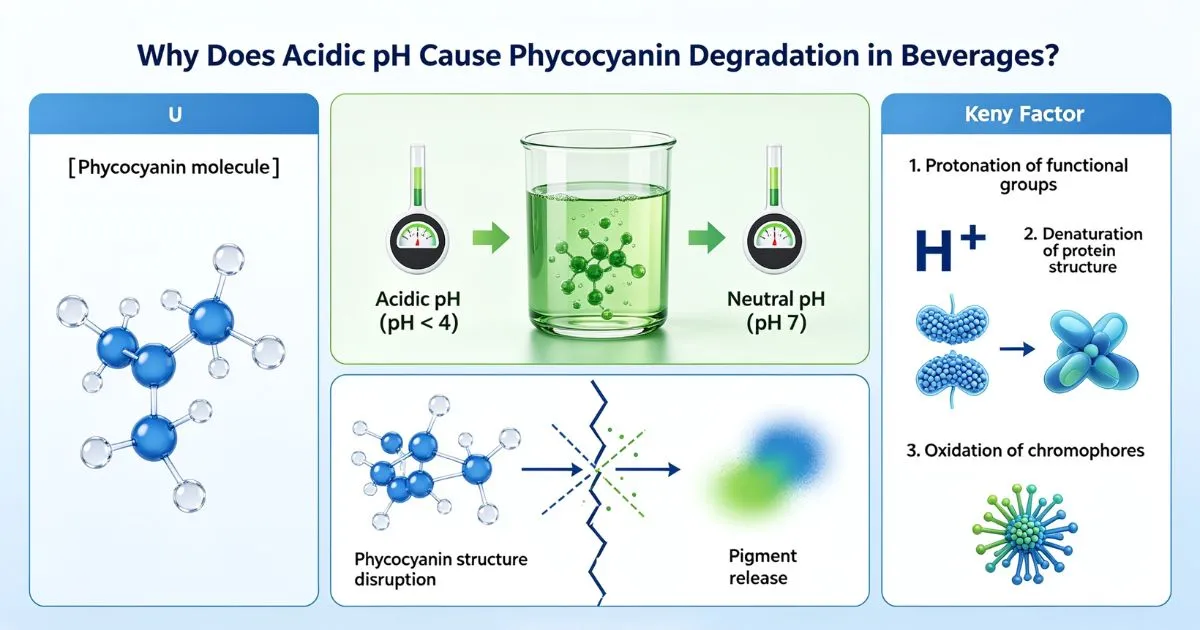
Why Does Acidic pH Cause Phycocyanin Degradation in Beverages?
Blue phycocyanin gradually loses its protein structure under acidic conditions, usually below pH 5, through a process called denaturation, in which the folded shape of the molecule starts to unwind. This structural breakdown makes it harder for the chromophore to reflect blue light, which can cause tones to fade, become dull, or, in the worst cases, change to green or brown. This risk of breaking down is one of the main reasons why early Blue Spirulina trials fail to keep their color during shelf life testing for beverage brands that use citrus- or vinegar-based drinks or other low-pH drink recipes.
The denaturation process and how it affects color-producing structures
When the pH drops, the quantity of hydrogen ions rises. This can break the weak chemical bonds that keep the protein structure of phycocyanin in its color-active form.
Why citrus and vinegar-based beverages present the greatest challenge
Functional drinks like kombucha, citrus juices, and vinegar-based drinks often have a pH level below 4. This means that phycocyanin breaks down quickly in these drinks if it is not treated.
Visible signs of phycocyanin degradation in finished products
Color formulators should keep an eye out for dulling, a change toward gray or green hues, and less overall color brightness as early signs that the safety of the phycocyanin in a mixture has been weakened.
How degradation timelines vary based on pH severity and exposure time
How quickly the phycocyanin breaks down depends on how acidic the drink is and how long it is exposed to that environment. This means that products that will last a long time need more thorough testing than products that will go bad quickly.
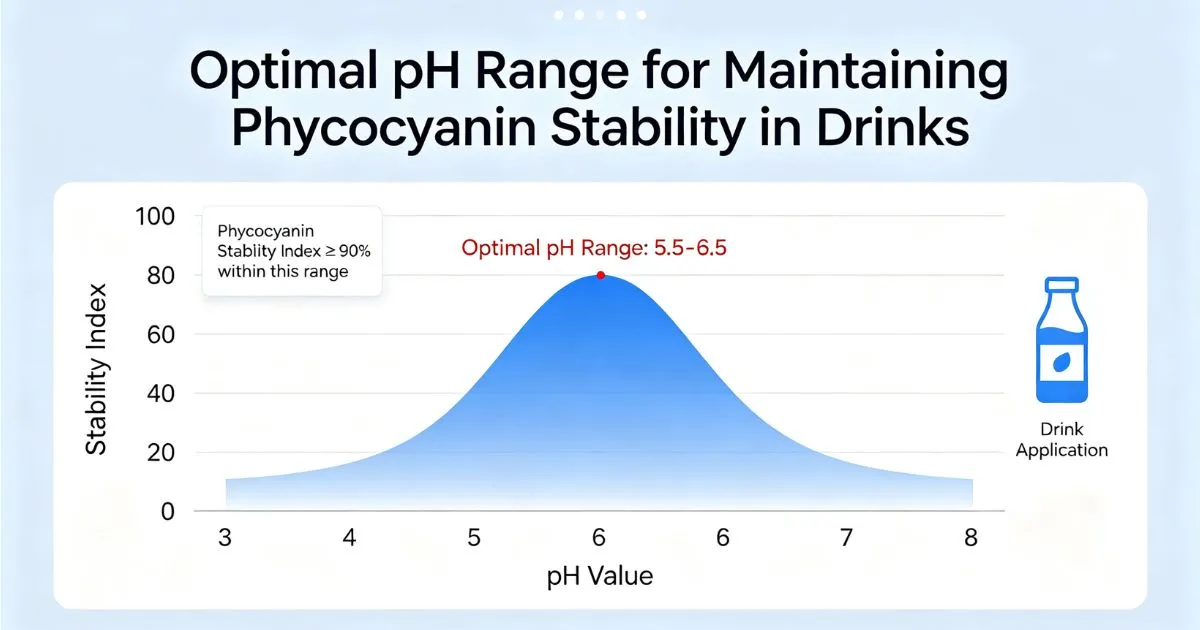
What pH Range Is Optimal for Maintaining Phycocyanin Stability in Drinks?
Blue phycocyanin usually works best in drinks with a pH level that is closer to neutral, usually between 5.5 and 7. This is because the protein structure stays the same and the bright blue color stays the same over time. Below this range, stability drops significantly. This is why beverage companies that want to make acidic drinks need to either change the pH of their recipes if they can or work with a Blue Spirulina supplier whose extraction and stabilization technology makes the pigment usable at even lower pH levels.
|
pH Range |
Phycocyanin Stability |
Typical Beverage Examples |
|
5.5–7.0 (near neutral) |
High stability, vivid color retention |
Dairy-based drinks, plant milk lattes |
|
4.0–5.5 (mildly acidic) |
Moderate stability, some fading over time |
Some functional beverages, mild fruit blends |
|
Below 4.0 (highly acidic) |
Low stability without stabilization technology |
Citrus juices, kombucha, vinegar-based drinks |
Why near-neutral pH environments favor phycocyanin retention
Near-neutral pH levels keep the protein structure of phycocyanin closer to its natural shape. This is why dairy- and plant-based milk drinks usually have the clearest and most consistent blue color.
The moderate-risk zone and where formulation caution is needed
Drinks that are fairly acidic need to be watched more closely because their stability can change a lot based on things like temperature, sugar level, and cooking method.
High-risk acidic zones and why standard phycocyanin often fails there
Normal, unstabilized phycocyanin usually has trouble below pH 4. This is why so many early attempts at making blue-colored citrus or kombucha-style drinks say that the color doesn't last long enough.
How target pH should inform ingredient selection from the start
Instead of making changes after color problems show up, people who make drinks should figure out their target pH range early on and then choose a phycocyanin grade and stabilization method that work with that range.
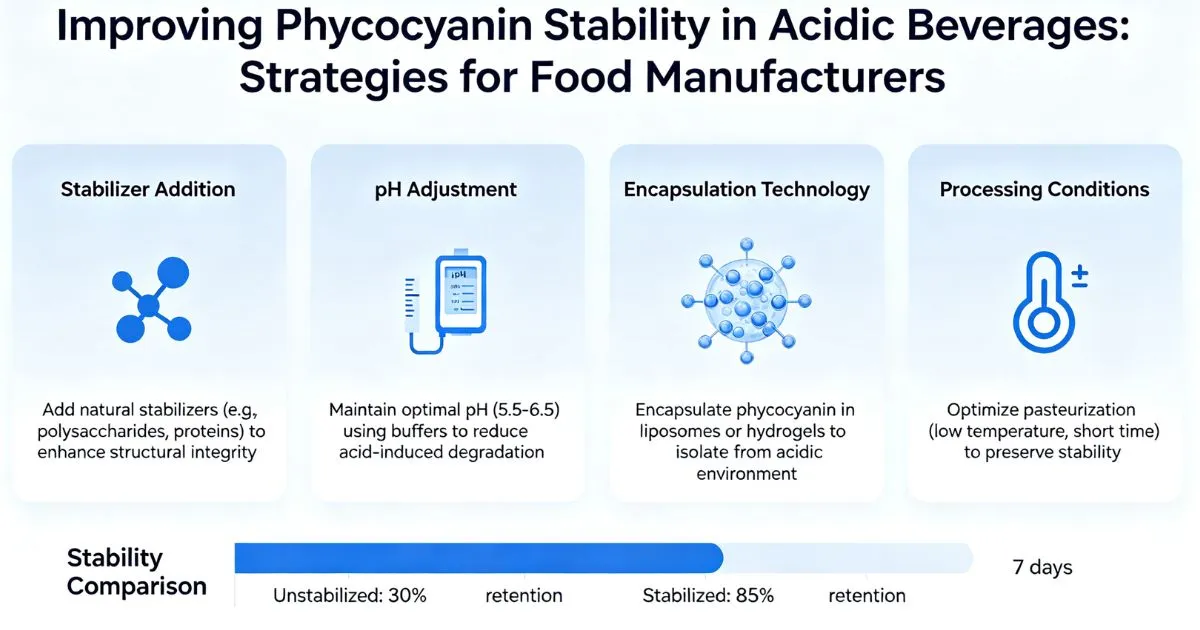
How Can Food Manufacturers Improve Phycocyanin Stability in Acidic Beverages?
Manufacturers who use Blue Spirulina in acidic drinks can make a number of useful changes to improve stability. These include changing the formulation or choosing a higher-quality phycocyanin source that is better stabilized. Yangge Biotech's patented extraction technology makes a blue phycocyanin that is more structurally stable than other extraction methods. This gives formulators a better starting point before they even use other stabilization techniques.
Selecting a phycocyanin grade built for improved acid stability
Not all phycocyanin extracts work the same way in acidic conditions. Picking a provider whose extraction technology focuses on molecular stability can make the pigment useful over a wider pH range.
Formulation adjustments to buffer or moderate beverage pH
If the idea of the product allows it, slightly raising the pH of a beverage, even by a small amount, can help phycocyanin stay in the drink longer without changing the taste much.
Encapsulation and protective delivery system approaches
The phycocyanin molecule can be protected from direct acidic contact by encapsulation technology. This helps keep the color strength even in drinks that need to stay in a lower pH range for taste or storage reasons.
Processing and storage conditions that support color retention
Cutting down on heat, light, and long working times can help a phycocyanin system that is already under a lot of stress by preventing extra stress. This helps the color stay in better throughout the product's shelf life.
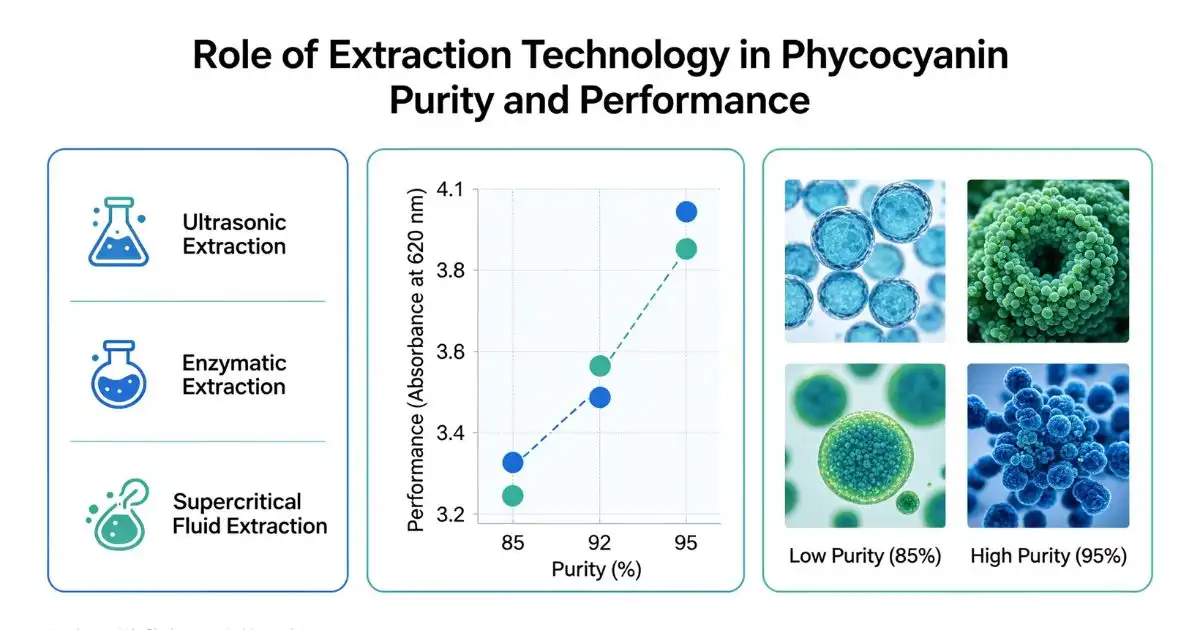
What Role Does Extraction Technology Play in Phycocyanin Purity and Performance?
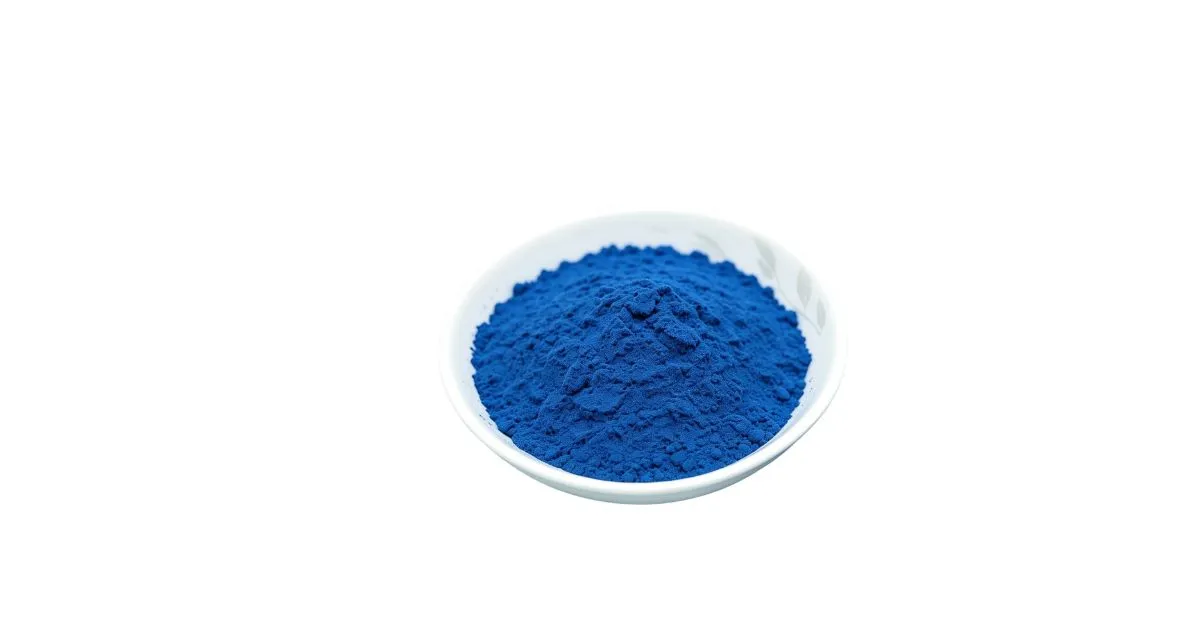
One of the most important and little-known things that affects how well Blue Spirulina works in finished drinks is the extraction technology. Yangge Biotech's patented extraction process produces high-purity blue phycocyanin with a strong color value, which means less product is needed to get the color you want. The process is also designed to get rid of the fishy or algal smell that has kept spirulina-derived ingredients from being used in high-end drinks and supplements in the past.
How purity level affects both color intensity and stability performance
Higher-purity phycocyanin usually gives better and more steady color performance because it has fewer interfering chemicals that can damage the pigment's structure or make it less clear to see.
Addressing the fishy odor challenge through processing innovation
Unprocessed spirulina extracts often have an unpleasant smell like algae or fish. Yangge's processing technology is designed to get rid of these compounds without changing the color performance of the pigment.
Organic certification and its relevance for premium beverage and supplement brands
More and more, high-end supplement brands and beverage companies that rely on social media influencers need organic-certified ingredients to match the image of their own products. This makes certification status a practical sourcing requirement rather than a nice-to-have feature.
Why extraction quality directly determines downstream formulation success
A well-extracted, high-purity phycocyanin gives formulators a stronger base before they use any other stabilization techniques. This means that formulators don't have to make as many changes to solve stability problems on their own.
Which Beverage Applications Are Most Suitable for Phycocyanin-Based Natural Blue Coloring?
Blue phycocyanin works especially well in a number of popular vitamin and drink categories, and more and more, brands that are driven by influencers have built whole product lines around its beautiful natural blue color. Blue coffee, sports drinks, ice cream, and phycocyanin-based vitamins all have different needs when it comes to preparation. However, when pH is managed correctly, Blue Spirulina's bright color can help with all of them.
Blue latte and plant milk-based beverage formulations
Blue lattes and plant milk drinks are often closer to neutral pH, which makes them one of the safest and most eye-catching ways to use phycocyanin's natural blue color.
Sports and functional beverage formulation considerations
Added acids are common in sports drinks to make them taste better and keep them fresh longer. To keep the color for as long as the product is supposed to last, the pH needs to be carefully managed or a more stable phycocyanin grade needs to be used.
Ice cream and frozen dessert color performance
Ice cream and other frozen treats usually have a pH level that is good for phycocyanin. Keeping them cold also helps to slow down any color loss that might happen over time.
Dietary supplement applications featuring phycocyanin as both color and function
More and more, dietary supplements use phycocyanin for more than just color. Its antioxidant and functional properties make it appealing to high-end supplement brands that want to combine a healthy ingredient story with a nice look.
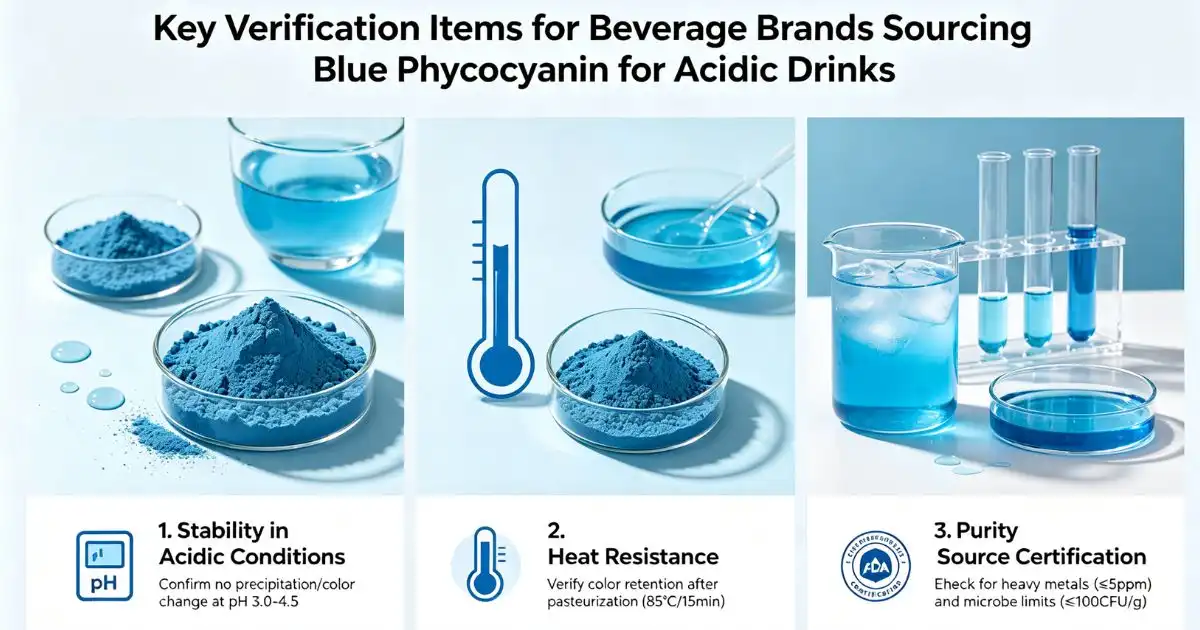
What Should Beverage Brands Verify When Sourcing Blue Phycocyanin for Acidic Drinks?
When beverage companies and natural colorant solution providers look at Blue Spirulina suppliers for use in acidic drinks, they should make sure the data on pH stability is correct, that the powder dissolves in water and doesn't change color when heated, and that there is documentation on the protein content, color value, and odor control processing.
|
Specification Area |
What Buyers Should Request |
Why It Matters |
|
pH-specific stability data |
Testing results across target pH range |
Confirms real-world performance in your formulation |
|
Water solubility |
Dispersibility test results |
Ensures smooth integration into beverage systems |
|
Heat stability |
Processing temperature tolerance data |
Confirms suitability for pasteurized or hot-fill products |
|
Protein/color value content |
Certificate of analysis |
Verifies purity and expected coloring strength |
Requesting pH-specific stability testing before formulation commitment
Buyers should request stability data reflecting their actual target pH range rather than relying on general phycocyanin performance claims that may not apply to acidic applications.
Confirming water solubility and dispersion performance
Water solubility directly affects how evenly phycocyanin distributes through a beverage base, making dispersion testing an important verification step before large-scale production.
Verifying heat stability for pasteurized or hot-fill beverage lines
Beverages requiring pasteurization or hot-fill processing need phycocyanin that can withstand that thermal exposure without significant color loss, so heat stability data should be confirmed upfront.
Checking odor control processing and organic certification status
Buyers targeting premium or organic-positioned products should confirm both odor-control processing quality and current organic certification status before finalizing a supplier relationship.
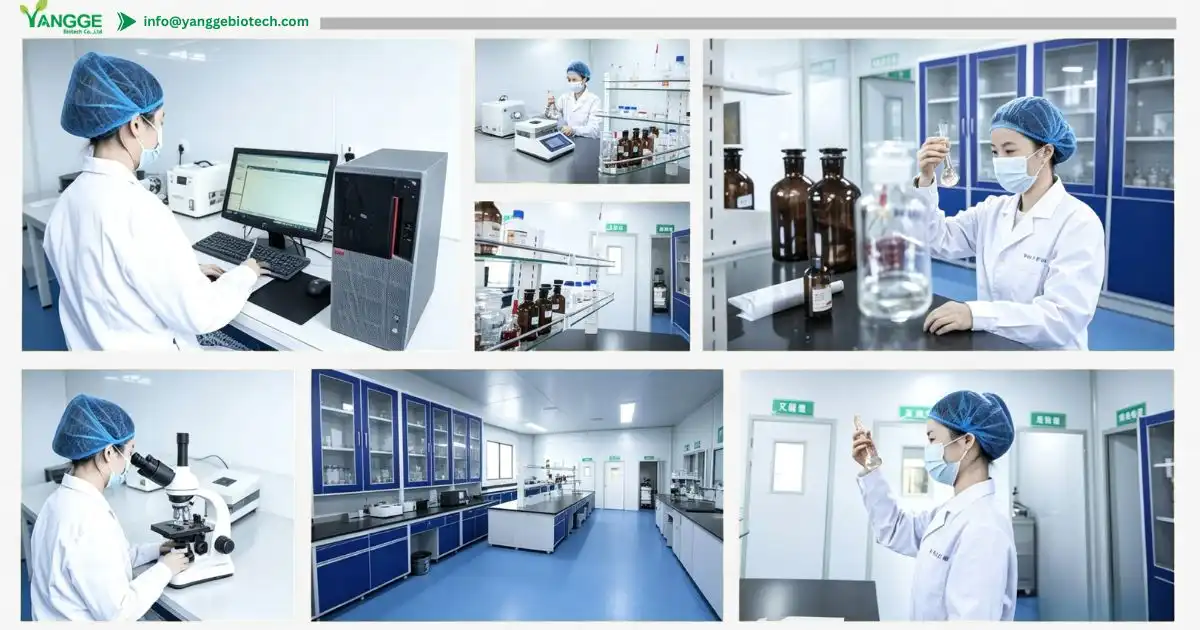
Yangge Biotech Third-Party Test Report
Yangge Biotech provides third-party test reports for every batch of Phycocyanin Powder to ensure product consistency, purity, food safety, and compliance with international quality standards. Independent laboratory testing verifies color value, heavy metals, microbiological safety, moisture content, and overall product quality before shipment, giving customers complete confidence in every order.R&D CapacityYangge Biotech has an experienced research and development team specializing in natural plant extracts, algae ingredients, and functional food ingredients. Our R&D department continuously improves extraction technology, product stability, color retention, and customized formulations to meet the requirements of food, beverage, nutraceutical, cosmetic, and pharmaceutical industries worldwide. We also support customized specifications based on customer application requirements.
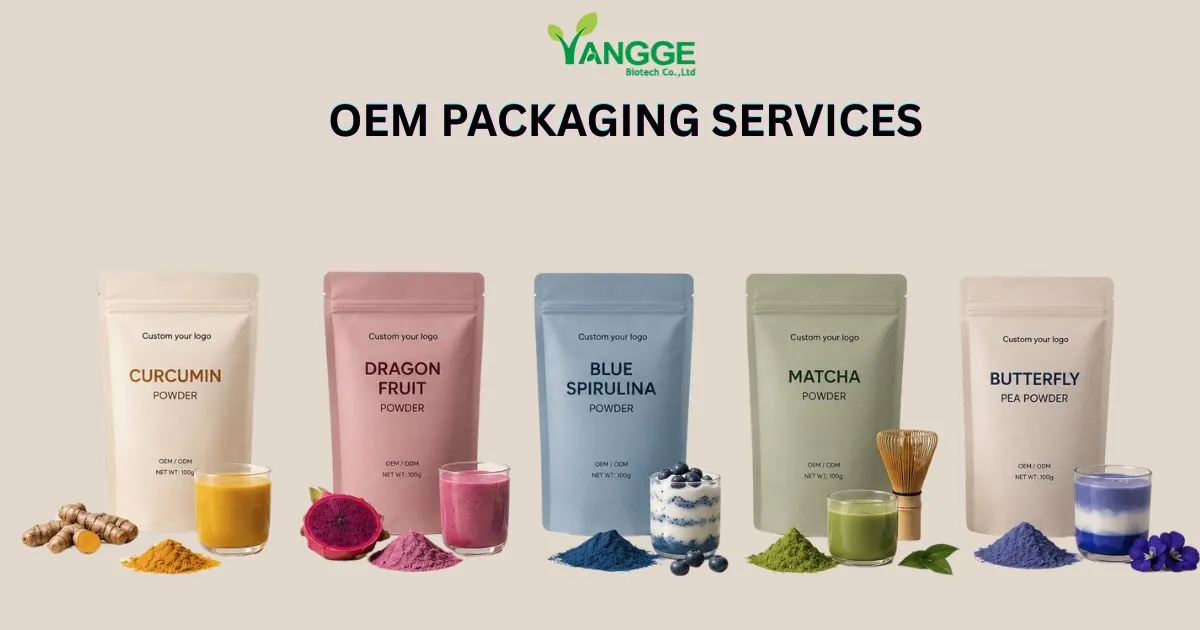
OEM Packing
Yangge Biotech offers flexible OEM and private label services for customers worldwide.
OEM services include:
Private Label Packaging
Custom Logo Printing
Customized Labels
Small Bottle Packaging
Bulk Packaging
Aluminum Foil Bags
Carton Packaging
Capsule & Tablet Manufacturing Support
Powder Sachet Packaging
Our professional OEM team helps customers develop products ready for retail or wholesale markets.
Why Choose Us?
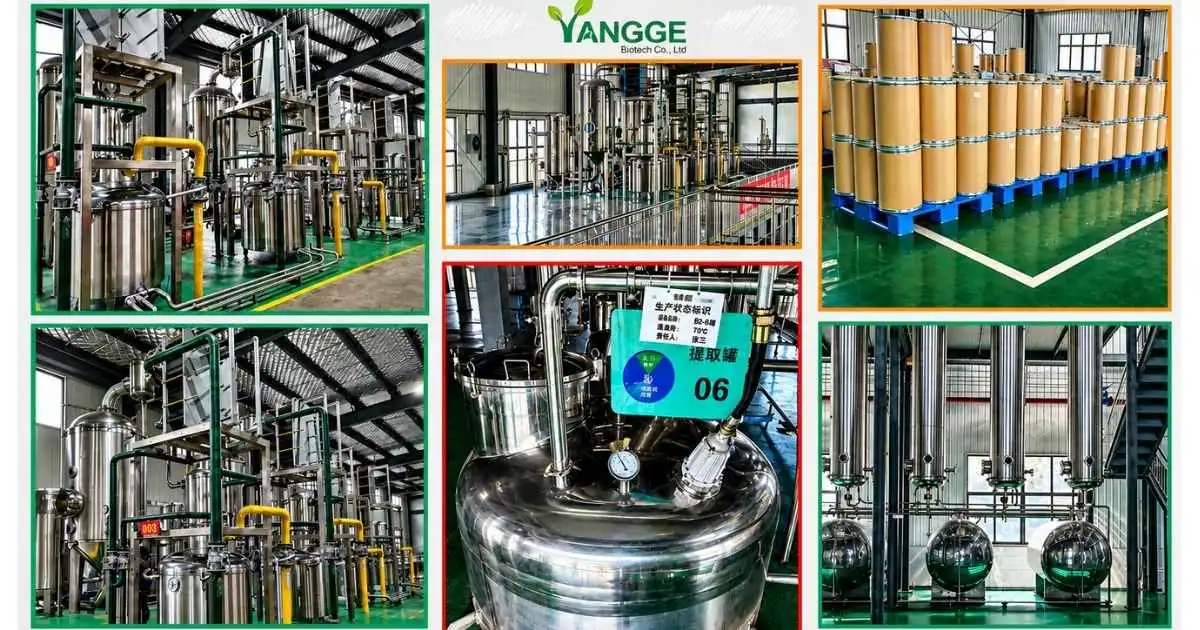
Yangge Biotech is committed to providing premium-quality natural ingredients with reliable global supply capabilities.
Our advantages include:
High-quality raw materials
Advanced extraction technology
Strict quality control
Third-party tested every batch
Competitive factory pricing
Stable global supply chain
Fast international shipping
Professional OEM & ODM services
Experienced export team
Responsive technical support
Conclusion
pH is the single most important factor determining whether blue phycocyanin holds its vivid color in a finished beverage or fades before it reaches the consumer. With patented extraction technology, high purity, fishy-odor-free processing, and organic certification, Yangge Biotech's Blue Spirulina gives beverage brands, supplement companies, and colorant solution providers a stronger foundation for formulating stable, vibrant blue products across lattes, sports drinks, ice cream, and supplements.
FAQ
Q1: At what pH does phycocyanin start to degrade?
Phycocyanin generally begins losing stability below pH 5, with more significant degradation occurring below pH 4 in standard, unstabilized formulations.
Q2: Can phycocyanin be used in citrus-based beverages?
It can, but citrus beverages require a more stabilized phycocyanin grade or formulation adjustments to maintain acceptable color retention over shelf life.
Q3: Does Blue Spirulina have a fishy smell?
Properly processed Blue Spirulina, using odor-control extraction technology, should have minimal to no fishy or algal odor.
Q4: Is phycocyanin heat stable enough for pasteurized drinks?
Heat stability varies by extraction quality, so buyers should request specific processing temperature tolerance data before using phycocyanin in pasteurized beverage lines.
Q5: Why does phycocyanin color fade faster in some beverages than others?
Fading speed depends primarily on the beverage's pH level, along with contributing factors like temperature, light exposure, and storage duration.
Partner With Yangge for Stable Blue Phycocyanin Solutions
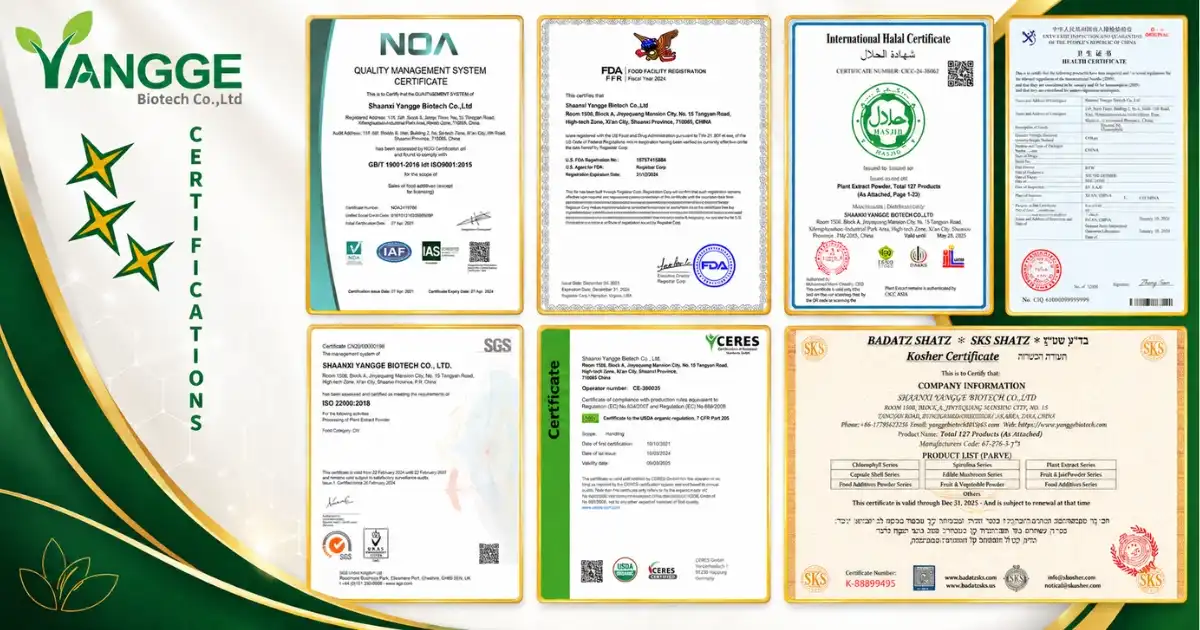
If your beverage or supplement formulation needs a natural blue that actually holds up under real acidic conditions, the ingredient source matters as much as the formulation itself. Yangge Biotech Co., Ltd. is ISO, HACCP, Kosher, and Halal certified, with dedicated R&D teams supporting influencer-driven beverage brands, premium supplement companies, and natural colorant solution providers worldwide. Our Blue Spirulina phycocyanin is built on patented extraction technology, delivering high purity, strong color value, fishy-odor-free processing, and organic certification for brands that need it. Whether you're formulating a blue latte, sports drink, ice cream, or phycocyanin supplement, our team can help match the right stabilization approach to your target pH. Contact us at info@yanggebiotech.com to request samples, stability data, or a formulation consultation today.
References
1. Sarkar, S., et al., "Effect of pH on the Stability of Phycocyanin Extracted from Spirulina platensis," Journal of Food Science and Technology.
2. Chaiklahan, R., et al., "Stability of Phycocyanin Extracted from Spirulina sp.: Influence of Temperature, pH and Preservatives," Process Biochemistry.
3. Antelo, F.S., et al., "Extraction and Purification of C-Phycocyanin from Spirulina platensis in Conventional and Integrated Aqueous Two-Phase Systems," Journal of the Brazilian Chemical Society.
4. Martins, N., et al., "Food Colorants: Challenges, Opportunities and Current Desires of Agro-Industries to Ensure Consumer Expectations and Regulatory Practices," Trends in Food Science and Technology.
5. Pan-utai, W., and Iamtham, S., "Extraction, Purification and Antioxidant Activity of Phycobiliprotein from Arthrospira platensis," Process Biochemistry.
6. Buchweitz, M., "Natural Solutions for Blue Colors in Food," in Handbook on Natural Pigments in Food and Beverages, Woodhead Publishing.

Send Inquiry
Related Industry Knowledge
Recommended Products