
The Difference Between Chelated Zinc and Zinc Picolinate
Zinc, often referred to as an essential mineral, plays a crucial role in various bodily functions, including immune support, wound healing, and overall well-being. Among the different forms of zinc supplements, zinc picolinate stands out for its remarkable bioavailability. In this blog, we'll explore the world of zinc picolinate, its benefits, and demystify the concept of chelated zinc picolinate while highlighting the key differences between chelated zinc and zinc picolinate.
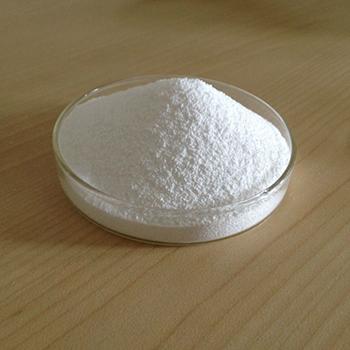
What Does Zinc Do for the Body?
So, what is zinc good for? It’s needed for many different processes in our bodies, including:
Immune Health: Zinc supports our immune system by activating our immune cells when the body detects bacteria.
Growth and Development: Zinc helps with DNA synthesis, helping our cells grow and multiply, meaning it’s essential for children and during pregnancy, so much so that a zinc deficiency can stunt growth.
Healing Wounds: Those with a zinc deficiency heal slower from wounds, with zinc playing a major role in scarring and membrane repair.
Eye Health: Zinc supplements may help prevent age-related macular degeneration in those at risk.
Processing Food: Zinc also helps our bodies process fats proteins and carbohydrates from the foods we eat.
Reducing Inflammation: As an antioxidant, zinc helps reduce the damage caused by free radicals and also helps with joint pain caused by inflammation. It also helps reduce the severity of inflammatory skin conditions, like rosacea, eczema and psoriasis.
Skin Health: In our bodies, our skin is the third most zinc-abundant tissue. Zinc increases the levels of glutathione, catalase and heme-oxygenase, helping prevent wrinkles and fine lines, and it also helps deflect UV rays. Does zinc help with acne?Yes, zinc also helps reduce acne and is needed for collagen formation and DNA repair.
Sex Hormones: Zinc is needed by both men and women for fertility, especially in the metabolism of androgens, estrogen and progesterone. Other benefits of zinc sexually include increasing testosterone levels, improving blood flow to the genital region and improving sexual function in both men and women.
Brain Health: Zinc plays a key role in regulating our HPA axis, which helps maintain our hormone balance and mood. It’s found in many neurons in the brain that are responsible for our memory, learning and emotions.
Weight Management: Zinc has a role in metabolism, too, and is also needed for the thyroid gland to produce thyroid hormone, which maintains our metabolism and energy.
What is Zinc Picolinate?
Zinc picolinate is a form of zinc supplement in which zinc is bound to picolinic acid. This unique bonding enhances zinc's absorption in the body, making it more readily available for various biological processes. Zinc picolinate is prized for its effectiveness in addressing zinc deficiencies and promoting overall health.
The Benefits of Zinc Picolinate
Zinc picolinate offers a wide range of benefits, making it a popular choice for those seeking to boost their zinc intake. Here are some of the key advantages:
-
Optimal Absorption: The picolinic acid in zinc picolinate significantly enhances zinc's absorption, ensuring that it is readily available for use by the body.
-
Immune Support: Zinc picolinate is renowned for its immune-boosting properties. Zinc picolinate can help reinforce the immune system, making it an essential supplement during cold and flu seasons.
-
Wound Healing: Zinc plays a pivotal role in wound healing and tissue repair. Zinc picolinate can promote faster healing and reduce the risk of infection.
-
Skin Health: Some individuals use zinc picolinate to address skin issues such as acne and eczema, as zinc supports skin health and helps manage these conditions.
-
Hormone Balance: Zinc picolinate is involved in regulating hormones and may be beneficial for conditions like PCOS (Polycystic Ovary Syndrome).
-
Antioxidant Properties: Zinc picolinate is a vital component of several enzymes with antioxidant properties, helping to combat oxidative stress.
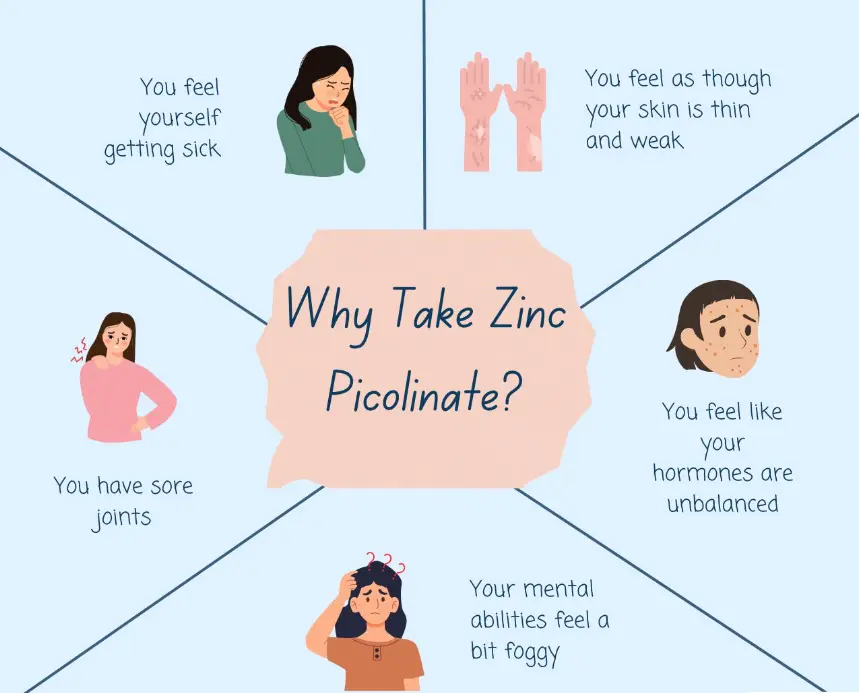
What are some specific zinc picolinate uses?
If you feel yourself becoming sick, you can take zinc picolinate to help support your immune system as it regulates the production of immune cells.
If you feel your skin getting thin, you can take zinc picolinate as it promotes collagen production and helps in wound healing.
If you feel as though your hormones are imbalanced, taking zinc picolinate can help in the production of regulation of insulin, oestrogen and testosterone.
If you feel your mental capabilities have been a big foggy, you can take zinc picolinate to support your cognitive function as it may improve mood and memory.
If you want to add more antioxidants to your diet, zinc picolinate may act as an antioxidant and help support your cells from oxidative stress.
You can take zinc picolinate for hair health as zinc helps keep your hormone levels in check, preventing and treating hair loss. Zinc also supports and regulates keratin production, helping keep thick hair fibres.
If you’re wondering, ‘Does zinc picolinate burn fat?’ then not specifically, but it does play a role in weight management. It helps the body digest food and helps our metabolism. Its fat reduction benefits are primarily linked with obese individuals who have low zinc levels, with it being found to improve BMI and body weight.
If you have sore joints, zinc picolinate ache benefits come from the fact that it’s an anti-inflammatory.
Understanding Chelated Zinc Picolinate
Chelated zinc picolinate refers to zinc that has been chemically bonded to an organic compound called a chelate, which is often an amino acid like glycine. This bonding helps improve the stability and absorption of zinc in the digestive tract, similar to zinc picolinate.
Key Difference between Chelated Zinc and Zinc Picolinate
-
Binding Compound: Zinc picolinate uses picolinic acid as the binding agent, whereas chelated zinc employs different chelating agents like glycine. The choice of chelate can impact the absorption and bioavailability of zinc.
-
Absorption Rate: Both forms of zinc are highly bioavailable, but the rate of absorption may vary. Some individuals may find that zinc picolinate is more easily absorbed, while others may prefer the gentle nature of chelated zinc.
-
Suitability: Chelated zinc picolinate may be preferred by individuals with sensitivities or allergies, as it is often well-tolerated and less likely to cause adverse reactions. Zinc picolinate is generally safe but may not be suitable for everyone.
-
Cost and Availability: The cost and availability difference between chelated zinc and zinc picolinate can vary, so choosing one over the other may depend on personal preferences and budget constraints.
-
Application: The choice between these forms may also depend on the specific health concern or goal. For immune support or wound healing, either form may be suitable, but for skin-related issues, zinc picolinate may be more advantageous.
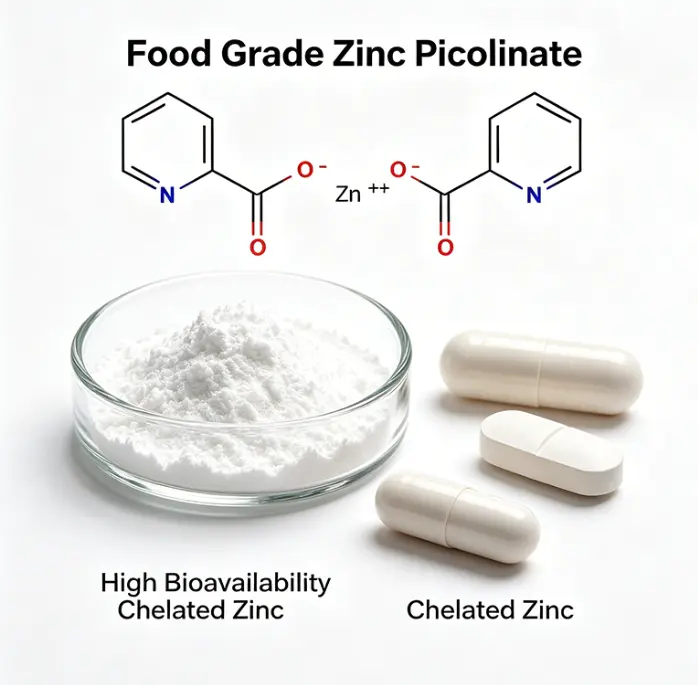
Key Comparisons
-
Absorption Rate: Both forms are highly bioavailable, meaning your body absorbs a much higher percentage of these minerals compared to inorganic forms like zinc oxide or zinc sulfate. However, zinc picolinate is generally regarded as one of the most readily utilized forms by cells.
- Stomach Tolerance: Both are significantly gentler on the digestive tract than non-chelated options, but zinc picolinate and zinc bisglycinate frequently rank the highest for avoiding nausea or gastrointestinal distress.
- Cost & Availability: Because they require more complex manufacturing processes, both zinc picolinate and high-quality chelated zincs generally carry a higher price tag than basic zinc supplements.

Zinc Picolinate Side Effects
We’ve gone over the benefits of zinc picolinate, but what are the side effects of zinc?
As long as you stick within the normal dose of elemental zinc, as shown above, there are no known side effects linked with zinc picolinate. If taking high doses, zinc may cause indigestion, diarrhoea, headache, nausea or vomiting, with long-term high dosage possibly causing a copper deficiency.
Does zinc supplement cause constipation? Too much zinc may also cause constipation as it can interfere with the absorption of other nutrients needed for bowel regularity, such as copper and iron. This is likely to happen if you take between 50mg and 150mg per day of zinc.
Speak with your doctor before use, especially if you’re taking antibiotics, penicillamine or thiazine diuretics as these may have interactions with zinc supplements.
Conclusion
Zinc picolinate and chelated zinc are two highly effective forms of zinc supplements, each offering unique benefits and advantages. Zinc picolinate is prized for its enhanced absorption and immune-boosting properties, making it a popular choice for various health concerns. Chelated zinc picolinate, on the other hand, may be preferred by those with sensitivities and allergies, as it is gentle on the stomach. Ultimately, the choice difference between chelated zinc and zinc picolinate should be based on individual needs and preferences, with the ultimate goal of optimizing zinc intake for improved health and well-being.
Doesn't miss out on the opportunity to harness the power of Zinc Picolinate In STOCK and take your products to the next level. A sustainable solution that works. Please contact us by email: info@yanggebiotech.com

Send Inquiry
Related Industry Knowledge
- How to make rosemary extract with alcohol?
- Carbon Black Powder – The Natural Food Coloring
- Can Pure Borage Oil Use in Pregnancy
- Bioactive Collagen Peptides for Osteoporosis
- Carob Powder: The Best Recipe Substitute
- Mushroom Supplements: Best Health Benefits
- Application of phycocyanin in coloring of ice cream and candy
- hemp protein powder benefits and risks
- L Ergothioneine Powder: Uses and Benefits
- Best time to take creatine
_1749191095260.webp "Chaga Mushroom Extract")