
Is Butterfly Pea Tea Safe?
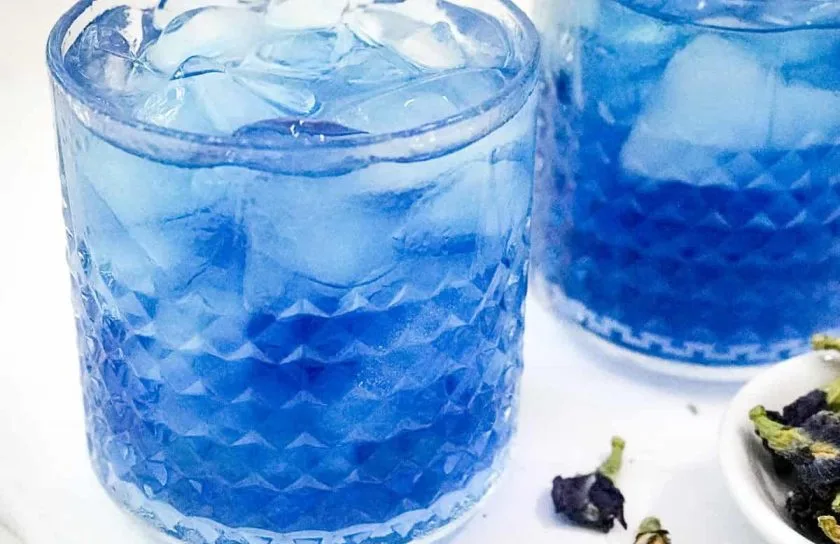
Is Butterfly Pea Tea Safe? Yes. Butterfly pea tea is generally considered safe for most healthy adults when consumed in moderation. This naturally caffeine-free herbal tea has been traditionally enjoyed in Southeast Asia for centuries and is increasingly popular worldwide for its wellness benefits and unique color-changing properties.
YANGGEBIOTECH is a trusted manufacturer and global supplier of Butterfly Pea Flower Powder, Butterfly Pea Flower Extract, and other premium botanical ingredients. We supply high-quality bulk ingredients for herbal teas, functional beverages, dietary supplements, natural food coloring, and health products.
In addition to bulk supply, we provide OEM and ODM services, including custom formulations, private labeling, custom packaging, and product development. With strict quality control, competitive pricing, and worldwide shipping, YANGGEBIOTECH is your reliable partner for premium butterfly pea ingredients and innovative botanical solutions.
As a result, Butterfly Pea Flower Tea, Butterfly Pea Extract, and Butterfly Pea Powder continue to gain popularity in the natural health, functional food, and clean-label industries as consumers seek innovative ingredients that combine visual appeal with potential wellness benefits.
Is Butterfly Pea Flower FDA Approved?
Butterfly Pea Flower Extract has received FDA approval as a Food Color additive. This novel natural blue source is exceptionally heat stable and provides formulators with a beautiful denim blue shade for their library. Additionally, Butterfly Pea Flower Extract has gained increasing commercial attention due to its natural color properties and functional wellness positioning.
One of the key advantages of Butterfly Pea Flower Extract is its vibrant natural blue color and excellent stability in various formulations. It can create attractive blue shades and, when combined with acidic ingredients such as lemon juice, can naturally shift to purple or pink hues. This unique color-changing property has made it highly desirable for beverages, confectionery, dairy products, sports drinks, teas, and other innovative food applications.
Beyond its coloring capabilities, butterfly pea flower has gained significant commercial interest due to its clean-label appeal, antioxidant content, and growing popularity in functional foods and wellness beverages. As consumers increasingly seek natural ingredients, manufacturers are turning to butterfly pea flower as a versatile solution for both color and product differentiation.
What is Butterfly Pea Flower?
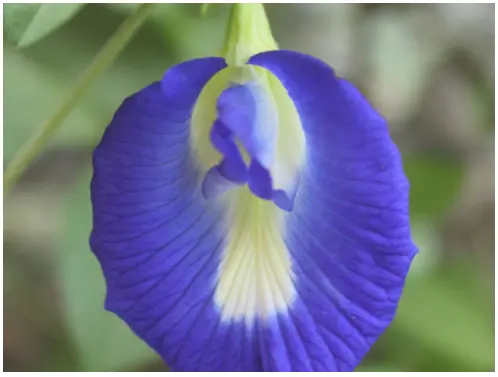
Butterfly Pea Flower (Clitoria ternatea) is a tropical flowering plant traditionally cultivated throughout Southeast Asia and increasingly grown in other global agricultural regions. Because of these naturally occurring pigments, butterfly pea is widely used as a natural blue food coloring for teas, smoothies, beverages, desserts, confectionery, baked goods, dairy products, cocktails, and functional foods. It also changes color when mixed with acidic ingredients such as lemon juice, creating an eye-catching purple hue that makes it a favorite ingredient in innovative food and beverage formulations.
The flower is particularly valued for its:
- Deep natural blue coloration
- High anthocyanin concentration
- Functional wellness positioning
- Visual product differentiation capabilities
The primary active compounds in Butterfly Pea Flower are ternatins, a group of anthocyanins responsible for its characteristic vibrant blue appearance. Its multifunctional properties make it highly attractive across food, beverage, nutraceutical, cosmetic, and specialty wellness industries. Its combination of vibrant color, functional compounds, and clean-label appeal has made Butterfly Pea Flower Powder one of the fastest-growing botanical ingredients for brands developing premium natural products.
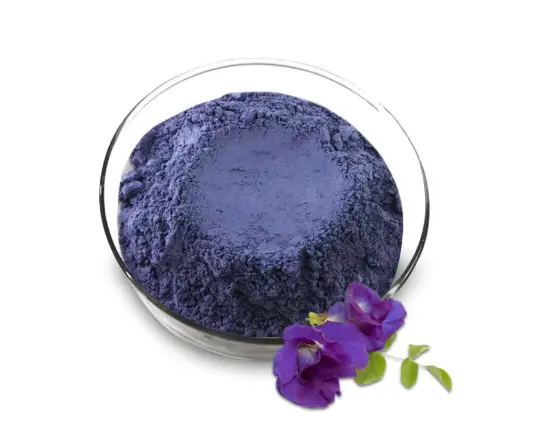
Core Functional Specifications & Bioactive Profile
For R&D teams and flavor scientists developing functional products, Clitoria ternatea delivers a robust, highly stable matrix of natural polyphenols. Rather than relying on volatile raw agricultural variables, Yangge Biotech standardizes its material to ensure exceptional active ingredient density.
| Standardized Active Compound | Industrial Utility | Primary Target Market |
| Ternatins (Anthocyanins) | Delivers intense, water-soluble blue-to-purple pigmentation; provides superior structural resistance to thermal degradation. | Functional Beverages, Confectionery |
| Flavanols (Quercetin, Kaempferol) | High-efficiency intracellular antioxidants; protects final product formulations against flavor or color fade from UV exposure. | Clean-Label Cosmetics, Nutraceuticals |
| Soluble Dietary Fiber Matrix | Serves as a neutral, plant-derived carrier structure that ensures rapid, clump-free water dispersibility. | Ready-to-Mix (RTM) Drink Powders |
Is Butterfly Pea Flower Safe for Kids?
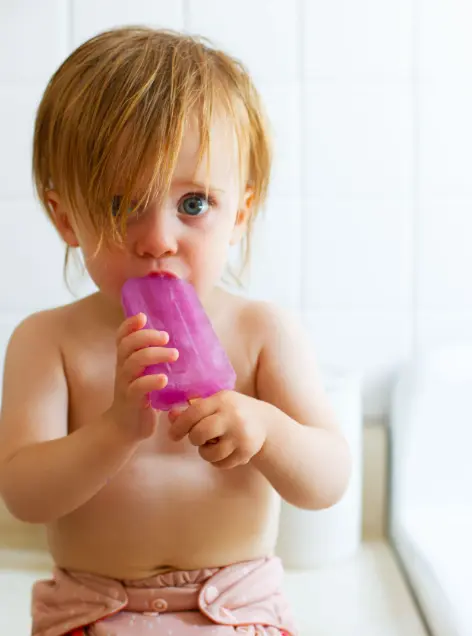
Butterfly pea flower tea safe and generally considered when consumed in small amounts as a food or beverage ingredient. It has been traditionally used in many Southeast Asian countries as a natural food coloring and herbal tea. However, there is currently limited scientific research specifically evaluating the safety of butterfly pea flower in young children.
As with any herbal product, parents should introduce butterfly pea tea in moderation and monitor for any unusual reactions. Some individuals may experience digestive discomfort, such as mild stomach upset, if consumed in excessive amounts. If a child has allergies, underlying health conditions, or is taking medications, it is advisable to consult a healthcare professional before offering butterfly pea products regularly.
Overall, occasional consumption of butterfly pea flower tea or foods colored with butterfly pea flower is generally considered safe for most healthy children, but moderation is recommended due to the limited pediatric research available.
Is Butterfly Pea Tea Safe for Pregnancy?
Butterfly Pea Tea is generally considered safe for most healthy adults when consumed in moderation. However, if you are pregnant or breastfeeding, it is recommended to consult your healthcare provider before drinking butterfly pea tea or using any herbal botanical products.
Currently, there is limited scientific research on butterfly pea flower during pregnancy, making it difficult to determine its safety with certainty. While butterfly pea tea is naturally caffeine-free and rich in antioxidants, healthcare professionals often advise caution with herbal teas when adequate pregnancy-specific studies are not available.
If you are pregnant and interested in adding butterfly pea flower tea to your routine, speak with your doctor or qualified healthcare professional first. They can provide personalized advice based on your health history and pregnancy needs.

Is Butterfly Pea Flower good for Fertility?
Supports reproductive health while we still need more scientific research to confirm this, traditional Ayurvedic medicine also uses butterfly pea as a fertility treatment. Supposedly, this flowering vine can help increase male fertility.
Should Butterfly Pea Tea be taken in the Morning or Night?
Blue pea powder tea is rich in melatonin, a hormone that regulates sleep cycles. Drinking a cup of Blue Pea tea before bedtime helps improve the quality of sleep and promotes feelings of drowsiness and relaxation.
Can I drink Butterfly Pea Tea on empty Stomach?
Drinking a cup of blue tea once or twice a week on an empty stomach flushes out toxins accumulated in the system and vastly improves digestive health. The earthy flavour of butterfly-pea flower tea is said to be a mood enhancer.
Does Butterfly Pea Powder stain Teeth?
Anthocyanins are intrinsically water-soluble and do not adhere to teeth like other coloured beverages such as coffee, tea, or red wine. This means that the blue pigment from butterfly pea powder will not stick to your teeth and cause staining.
Can you mix Chamomile and Butterfly Pea Tea?
Appearance: As you steep the tea, the golden chamomile flowers blend harmoniously with the deep indigo-blue hues of the butterfly pea blossoms. Aroma: The fragrance is a delightful blend of chamomile's soothing earthiness and the subtle floral notes of butterfly pea.
Can you mix Butterfly Pea Tea and Green Tea?
The Green tea leaves are blend with butterfly pea flower to enhance its benefits. The beverage is fun to relish. The magic of Blue to Purple which is an eye feast once the lemon is added to its steeped tea.
What happens when you add baking soda to Butterfly Pea Tea?
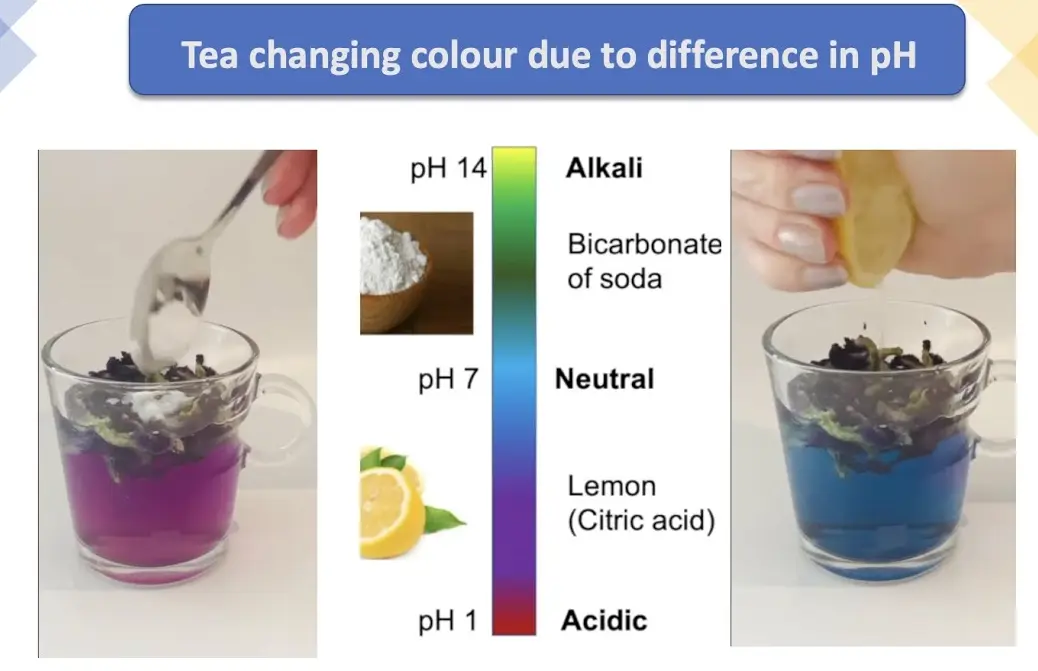
A naturally occurring compound in butterfly pea tea is blue at a neutral pH but turns purple and then red as acidic lemon juice is added. If you poured baking soda into the tea, it sure wouldn't taste good, but you'd get a green-yellow colour.
How long does Butterfly Pea Tea last in Fridge?
If you've made a large batch of butterfly pea tea, you can safely store it in the refrigerator for 2–3 days in a sealed container. Keeping the tea chilled helps preserve its vibrant blue color, fresh taste, and antioxidant properties.
For the best results, avoid adding lemon juice until you're ready to serve. Butterfly pea tea naturally changes color from blue to purple when mixed with acidic ingredients like lemon, so adding citrus just before drinking helps maintain its appearance and freshness.
To enhance flavor and presentation, serve your chilled butterfly pea flower tea with fresh mint leaves, blueberries, or lemon slices. This refreshing, caffeine-free herbal tea is perfect for hydration, relaxation, and enjoying the natural benefits of butterfly pea flowers.
Industrial Processing Advantages & Application Dynamics
A. Smart pH Color-Shifting Mechanics
Our Clitoria ternatea extract behaves as a natural pH indicator due to its specialized ternatin structure. This allows product developers to engineer striking, predictable visual changes in real time:
-
pH 4.0 – 7.0 (Neutral/Alkaline): Maintains a deep, crystal-clear sapphire blue. Ideal for craft beers, sports drinks, neutral spirits, and dairy/plant-milk alternatives.
-
pH 2.0 – 3.8 (Acidic): Instantly shifts to a vibrant, stable violet/magenta. Perfect for functional lemonades, kombuchas, RTD cocktails, and citrus-based topicals.
B. Thermal, Shelf-Life, and Matrix Stability
-
High Extrusion & Pasteurization Tolerance: Unlike volatile natural pigments like spirulina, the anthocyanins in our extract possess dense sugar side-chains that protect the color molecule. It retains its full chromatic intensity during flash pasteurization, hot-filling, and commercial baking cycles.
-
Neutral Sensory Profile: Carefully processed to remove unwanted vegetative bitterness, ensuring your final formulation keeps its intended flavor profile without requiring synthetic masking agents.
Is it okay to drink butterfly pea tea every day?
Yes, you can safely drink butterfly pea tea every day when consumed in moderation, typically 1–2 cups daily. This vibrant blue herbal tea is naturally caffeine-free, making it an excellent choice for daily hydration without the jitters or sleep disturbances associated with caffeinated beverages.
Butterfly pea tea is made from the flowers of Clitoria ternatea and is rich in antioxidants, particularly anthocyanins, which are known for supporting overall health and helping protect cells from oxidative stress. Because of its natural blue color and wellness benefits, butterfly pea tea has become increasingly popular as a natural detox tea, herbal wellness drink, and antioxidant-rich beverage.
Many people enjoy drinking butterfly pea tea daily to support healthy skin, hair health, hydration, and overall well-being. It is also commonly used in weight management routines, herbal tea blends, smoothies, cocktails, and functional beverages. Since it contains no caffeine, it can be enjoyed in the morning, afternoon, or evening.
While butterfly pea tea is generally considered safe, it is best to consume it as part of a balanced diet and healthy lifestyle. If you are pregnant, breastfeeding, or have a medical condition, consult your healthcare provider before adding any herbal tea to your daily routine.
Key Things to Keep in Mind
- Moderation is Key: Sticking to 1–2 cups ensures you get the benefits without overloading your digestive system, which can occasionally cause mild nausea or diarrhea in excess.
- Who Should Avoid It: Pregnant and breastfeeding individuals should skip this tea as it can stimulate the uterus. You should also check with a doctor if you take medications or have a condition like low blood pressure.
- Harmless Side Effect: The tea contains a deep, natural blue pigment that may temporarily change your urine color. This is completely harmless.
Global Regulatory Compliance, Safety, and Quality Assurance
To satisfy corporate hazard control (HACCP) workflows and procurement safety parameters, our processing strictly validates the non-toxic nature of Clitoria ternatea :
-
FDA Compliance Realized: Our ultra-concentrated aqueous extracts align cleanly with regulatory frameworks (such as the US FDA color additive approvals) for use in specific liquid and dry beverage categories.
-
Rigid Toxicological Verification: Independent clinical data shows no cytotoxic, genotoxic, or mutagenic pathways even at concentration levels significantly higher than typical dietary exposure limits.
-
Controlled Substrate Farming: Cultivated within strictly managed, pesticide-free, heavy-metal-monitored environments. This completely guarantees zero exposure to environmental runoff or industrial agricultural contaminants.
-
Extended Bulk Infrastructure Shelf Life: Dehydrated to a water activity level of 0.3 , ensuring absolute resistance to microbial or fungal growth, granting an uncompromised 24-month bulk ambient shelf life.
Conclusion
Answering the question of safety requires looking at both toxicological data and regulatory alignment. The global shift toward clean-label alternatives is no longer a temporary trend—it is an industrial standard. As regulatory pressures on synthetic dyes continue to tighten worldwide, securing a reliable, high-purity supply of natural alternatives like Butterfly Pea Flower Extract is critical for market longevity.
By combining advanced extraction technology with strict global compliance standards, we help you deliver the vibrant, visually striking products your consumers demand—without compromising on clean-label integrity, shelf life, or formulation safety.
At Yangge Biotech , we build our supply chain to fit the needs of commercial food brands, contract manufacturers, and cosmetic formulation houses. We offer the high volume, stable pricing, and technical documentation required to confidently move your product from pilot scale to commercial launch.
-
Reliable Bulk Volume Capacity: Secure annual contract options that shield your business from raw botanical shortages and volatile price hikes.
-
Comprehensive Document Support: Every production lot is shipped with a clear Certificate of Analysis (CoA), full HPLC active compound tracing, and complete heavy-metal/microbial safety test results.
-
Custom Material Formats: Available in highly water-soluble powders (Cold-Water Dispersible / CWS), custom mesh fine powders, or liquid concentrates to fit your automated dosing systems.
Cheers to Butterfly Pea Flower Powder Wholesale ✨Want to try a sample? Request one here. or email us here :info@yanggebiotech.com
References:
- Assegaf TS, et al. (2024). Anti-dandruff effects of butterfly pea flowers (Clitoria ternatea)-based shampoo: A pretest-posttest control study.
- Chayaratanasin P, et al. (2019). Clitoria ternatea flower petal extract inhibits adipogenesis and lipid accumulation in 3T3-L1 preadipocytes by downregulating adipogenic gene expression.
- Chen F, et al. (2024). P-coumaric acid: Advances in pharmacological research based on oxidative stress.
- Chusak C, et al. (2018). Acute effect of Clitoria ternatea flower beverage on glycemic response and antioxidant capacity in healthy subjects: A randomized crossover trial.
- Imran M, et al. (2019). Kaempferol: A key emphasis to its anticancer potential.
- Jeyaraj EJ, et al. (2022). Antioxidant, cytotoxic, and antibacterial activities of Clitoria ternatea flower extracts and anthocyanin-rich fraction.

Send Inquiry
Related Industry Knowledge
- what is the best blue spirulina powder?
- How to Easily Add Yeast Extract Beta Glucan Powder to Your Diet
- Natural Nutrition Benefits of Chlorella Tablets
- Resveratrol Powder For Health and Skin Benefits
- Omega 3 epa vs dha
- What Can Apple Cider Vinegar Tablets Target
- Organic Protein Powder: Natural Plant Nutrition
- Are Red Radishes Good for You?
- Is sunflower lecithin safe for skin?
- YANGGEBIOTECH Food Colors
_1746681053478.webp "Oat beta glucan powder")
_1749191095260.webp "Chaga Mushroom Extract")