
Beta Carotene 96% for eyes
From a very young age, most of us were told to "eat your carrots" to help us see in the dark. While this might have sounded like a simple way to get children to eat their vegetables, it was actually based on deep biological truth.
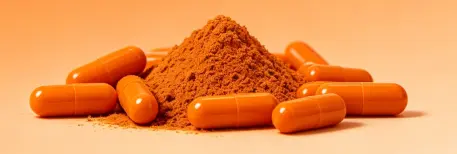
Carrots—and many other brightly colored vegetables—are packed with a nutrient called Beta Carotene. Today, science has taken this natural wonder and concentrated it into a high-purity form known as Beta Carotene 96%.
This incredibly potent, crystalline version of the nutrient is the "gold standard" for eye health. In this guide, we will explore how this specific carotenoid works as a foundation for vision, why the 96% purity matters, and how it protects your eyes in a world filled with digital screens and environmental stress.
1. What is Beta Carotene 96%?
Beta Carotene is a member of the carotenoid family, the pigments that give plants their vibrant orange, red, and yellow colors.
In its 96% Purity form, it is a highly concentrated "Provitamin A." This means that Beta Carotene isn't Vitamin A itself; rather, it is a "precursor" that your body converts into Vitamin A (Retinol) as needed.
The 96% concentration is significant because it represents a nearly pure crystalline form of the nutrient. This ensures that when it is used in supplements or health foods, it provides the maximum biological activity with zero fillers or unnecessary additives.

2. The Night Vision Goggles of the Retina
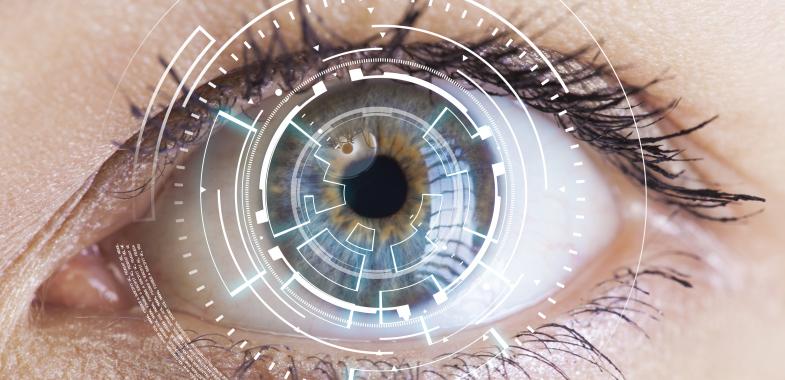
The most critical role of Beta Carotene 96% in the eye involves a protein called Rhodopsin.
Inside your retina, there are cells called "rods" that are responsible for your vision in low-light conditions. For these rods to work, they need Rhodopsin. When light hits the eye, Rhodopsin breaks down and sends a signal to your brain. To "reset" and see again, your eye needs a fresh supply of Vitamin A—which comes directly from the Beta Carotene you consume.
Without enough Beta Carotene, your eyes struggle to reset in the dark. This leads to "Night Blindness," where it becomes difficult to drive at night or move through a dimly lit room. Beta Carotene 96% ensures your "night-vision goggles" are always fully charged.
3. Protecting the Surface: Cornea Health and Dry Eye
While we often think about the back of the eye (the retina), Beta Carotene is equally important for the front of the eye.
The Cornea is the clear, protective outer layer of your eye. For the cornea to stay clear and healthy, it must remain lubricated. Vitamin A (converted from Beta Carotene) is essential for producing the moisture and mucus that keep the surface of the eye from drying out.
A deficiency in this nutrient can lead to a condition called Xerophthalmia, where the eyes become very dry, cloudy, and eventually damaged. By using a high-purity Beta Carotene 96%, you are supporting the "moisture barrier" of your eyes, which is especially important for people who suffer from dry eyes due to wind, smoke, or staring at computer screens.
4. An Internal Shield Against Blue Light and Aging
We live in a world where our eyes are constantly attacked by "oxidative stress." This stress comes from the sun’s UV rays and the blue light emitted by our smartphones and laptops.
Beta Carotene is a powerful antioxidant. It lives in the fatty tissues of the eye and acts as a shield, neutralizing the "free radicals" created by light exposure.
-
Preventing Damage: By soaking up this oxidative stress, Beta Carotene helps protect the delicate cells of the macula (the center of your vision).
-
Slowing Age-Related Decline: Large-scale studies, such as the famous AREDS trials, have shown that Beta Carotene, when combined with other antioxidants, can help slow the progression of age-related vision loss.
5. Why the "96% Purity" is Better for Your Body
When it comes to eye health, quality and concentration matter. Here is why the 96% crystalline form is the professional choice:
-
Controlled Conversion: Unlike "pre-formed" Vitamin A (Retinol), which can be toxic if you take too much, your body only converts Beta Carotene into Vitamin A when it needs it. This makes 96% Beta Carotene an incredibly safe way to support your vision.
-
Stability: High-purity Beta Carotene is more stable than lower-grade versions. This means the nutrient doesn't lose its "power" while sitting on the shelf, ensuring your eyes get the full benefit.
-
Maximum Absorption: Because it is 96% pure, it is highly bioavailable. This means a smaller dose can provide more "vision power" than a massive amount of lower-quality material.
Conclusion: Future-Proofing Your Sight
Our eyes are our most important window to the world, yet they are more stressed today than ever before. Between digital screens and the natural process of aging, our vision needs a solid foundation of nutrition to stay sharp.
Beta Carotene 96% provides that foundation. By supporting night vision, protecting the surface of the eye, and acting as a shield against light damage, this "Golden Nutrient" ensures that your eyes remain healthy, clear, and resilient for years to come. Whether you are looking to drive more safely at night or simply protect your eyes from the modern world, high-purity Beta Carotene is a time-tested, scientifically proven essential.
References and Clinical Literature
-
Age-Related Eye Disease Study Research Group (AREDS). (2001). A Randomized, Placebo-Controlled, Clinical Trial of High-Dose Supplementation with Vitamins C and E, Beta Carotene, and Zinc for Age-Related Macular Degeneration. Archives of Ophthalmology. (The foundational study proving beta carotene's role in preventing vision loss).
-
Sommer, A. (2008). Vitamin A deficiency and clinical disease: An historical overview. The Journal of Nutrition. (Detailing how beta carotene prevents night blindness and corneal damage).
-
Stahl, W., & Sies, H. (2003). Antioxidant activity of carotenoids. Molecular Aspects of Medicine. (Explaining the chemical process of how beta carotene neutralizes free radicals in the eye).
-
Tang, G. (2010). Bioconversion of dietary provitamin A carotenoids to vitamin A in humans. The American Journal of Clinical Nutrition. (Technical review of how the body safely converts high-purity beta carotene into active retinol).
-
Evans, J. R., & Lawrenson, J. G. (2017). Antioxidant vitamin and mineral supplements for preventing age-related macular degeneration. Cochrane Database of Systematic Reviews. (A comprehensive look at the long-term benefits of carotenoid supplementation for eye longevity).

Send Inquiry
Related Industry Knowledge
Recommended Products
_1789528234153.webp "Pitaya Powder")