
Berberine for supplement
In the world of natural health supplements, few compounds have attracted as much scientific and consumer interest as berberine. Known for its long history in traditional medicine and its growing reputation in modern nutrition, berberine is widely used in dietary supplements designed to support metabolic health, blood sugar balance, and overall wellness.
Berberine is a bioactive compound found in several plants and has been used for centuries in herbal practices. Today, it is commonly formulated into capsules, tablets, and powders as a natural supplement for metabolic support, cardiovascular health, and digestive balance.
As more people seek plant-based alternatives for maintaining health, berberine has become a key ingredient in the supplement industry due to its multi-functional benefits and strong research backing.
This article explores what berberine is, how it works in the body, its key supplement benefits, applications, safety considerations, and future potential.
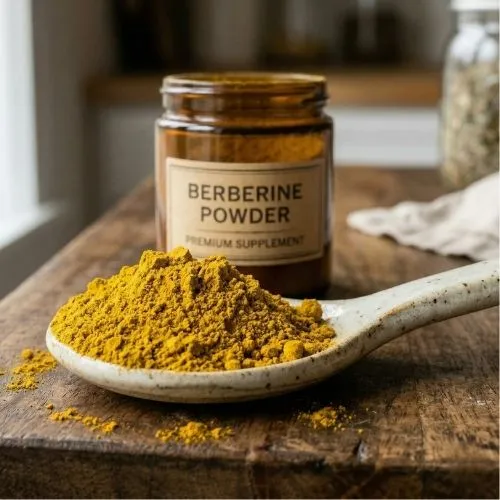
What Is Berberine?
Berberine is a natural alkaloid compound extracted from various plants, including:
- Barberry (Berberis vulgaris)
- Goldenseal (Hydrastis canadensis)
- Oregon grape (Mahonia aquifolium)
- Tree turmeric (Berberis aristata)
It has a bright yellow color and has been traditionally used in herbal medicine systems such as Traditional Chinese Medicine and Ayurveda.
In supplement form, berberine is typically standardized to ensure consistent potency and is widely used for its metabolic and health-supporting properties.
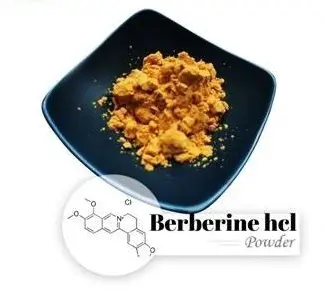
How Berberine Works in the Body
One of the key mechanisms behind berberine’s effectiveness is its ability to activate an enzyme called AMP-activated protein kinase (AMPK).
AMPK is often referred to as a “metabolic master switch” because it helps regulate energy balance within cells. When activated, it can influence several important processes, including:
- Glucose metabolism
- Fat metabolism
- Energy production
- Insulin sensitivity
By supporting these pathways, berberine helps improve how the body manages energy and nutrients.
In addition, berberine interacts with gut microbiota and may influence digestive health and inflammation levels.

Key Benefits of Berberine in Supplements
1. Supports Healthy Blood Sugar Levels
One of the most well-known benefits of berberine is its ability to help maintain healthy blood glucose levels.
Berberine may support:
- Improved insulin sensitivity
- Reduced glucose production in the liver
- Better glucose uptake by cells
Because of these effects, berberine is commonly used in supplements designed for metabolic and blood sugar support.
2. Promotes Metabolic Health
Metabolic health refers to how efficiently the body processes energy from food. Berberine’s activation of AMPK helps regulate metabolic functions.
Potential benefits include:
- Improved energy balance
- Support for healthy weight management
- Better fat metabolism
- Reduced metabolic stress
These properties make berberine popular in weight management and metabolic support supplements.
3. Supports Cardiovascular Health
Berberine may also contribute to heart health by supporting healthy lipid levels and circulation.
Research suggests that berberine may help:
- Maintain healthy cholesterol levels
- Support normal triglyceride levels
- Improve blood vessel function
These benefits contribute to overall cardiovascular wellness.
4. Supports Digestive Health
Berberine has traditionally been used to support gut health. It may help maintain a balanced intestinal environment and support digestive function.
Potential digestive benefits include:
- Supporting gut microbiota balance
- Promoting digestive comfort
- Helping maintain gastrointestinal health
These effects make berberine useful in digestive support supplements.
5. May Support Weight Management
Because of its role in metabolism and fat regulation, berberine is often included in weight management supplements.
It may help:
- Regulate fat storage
- Improve metabolic efficiency
- Support healthy body composition
While not a standalone solution, berberine can be part of a comprehensive wellness strategy.
6. Supports Anti-Inflammatory and Antioxidant Activity
Berberine has been studied for its potential to reduce oxidative stress and support the body’s natural inflammatory response.
These properties may help:
- Protect cells from damage
- Support overall health
- Promote long-term wellness

Applications of Berberine in Supplements
Berberine is widely used in various types of dietary supplements.
Blood Sugar Support Supplements
Formulations designed to support glucose metabolism often include berberine as a key ingredient.
Weight Management Products
Berberine is commonly included in supplements targeting fat metabolism and weight control.
Cardiovascular Health Supplements
Products focused on heart health may use berberine to support cholesterol balance.
Digestive Health Formulas
Berberine may be combined with probiotics and other ingredients to support gut health.
General Wellness Supplements
Because of its broad benefits, berberine is also used in multi-functional health supplements.
Safety and Recommended Usage
Berberine is generally considered safe when used at recommended dosages. Typical daily intake in supplements ranges from 500 mg to 1500 mg, often divided into multiple doses.
However, some individuals may experience mild side effects, including:
- Digestive discomfort
- Constipation or diarrhea
- Stomach cramps
Important considerations:
Not recommended for pregnant or breastfeeding individuals
May interact with certain medications
Should be used under professional guidance if you have existing health conditions
Future Potential of Berberine in Supplements
The global supplement market is increasingly focused on natural, plant-based, and multifunctional ingredients. Berberine fits well into this trend due to its wide range of benefits and strong scientific interest.
Future developments may include:
- Enhanced bioavailability formulations
- Combination products with other metabolic ingredients
- Personalized nutrition solutions
- Expanded clinical research
As more studies continue to explore its effects, berberine is expected to remain a leading ingredient in metabolic and wellness supplements.

Conclusion
Berberine is a powerful plant-derived compound widely used in dietary supplements for its ability to support blood sugar balance, metabolic health, cardiovascular function, and digestive wellness. Through its activation of key metabolic pathways, berberine offers a range of benefits that contribute to overall health.
From traditional herbal use to modern scientific research, berberine continues to prove its value as a versatile and effective supplement ingredient. As demand for natural health solutions grows, berberine is expected to remain a key component in innovative supplement formulations aimed at promoting long-term wellness.
Yangge Biotech Co., Ltd. stands as your trusted Berberine powder supplier, delivering pharmaceutical-grade extracts with guaranteed potency and purity. Our ISO-certified facilities ensure consistent quality while competitive pricing supports your product development goals. Contact us at info@yanggebiotech.com to discuss your specific requirements.

Send Inquiry
Related Industry Knowledge
Recommended Products
_1784712172905.webp "Clean Label Natural Beta Carotene Supplier")
.webp "Chlorella Powder")